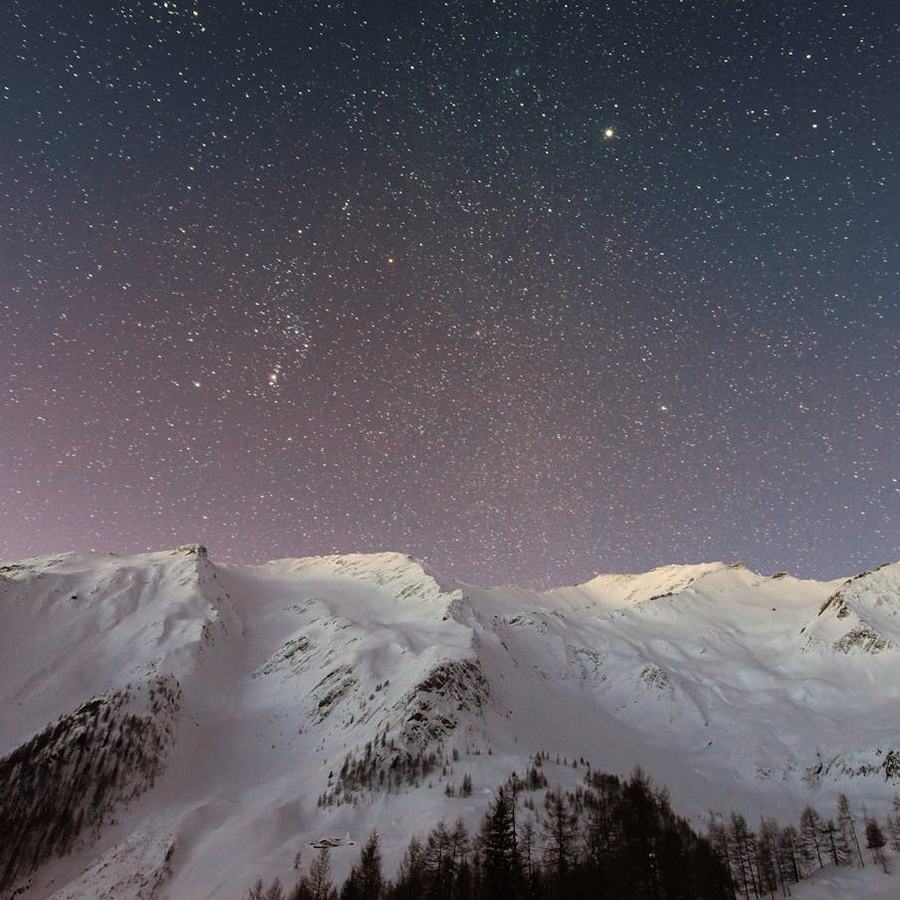
Mountain travel has a reputation problem. People hear resort and picture lift lines, 6 a.m. boot checks, and après-ski crowds that feel louder than the city you left. A relaxing mountain escape is the opposite: cold air, warm water, early bedtimes, and a schedule with more blank space than tickets.
The resorts below earn attention because they treat restoration as the product—not a side effect after you exhaust yourself on the slopes. Some are ski properties used well in summer; others are lake-and-trail destinations where the chairlift is optional. What they share is operational calm, strong spa or thermal programming, and room design that helps you sleep at altitude.
What to look for in a mountain resort when rest is the goal
Before you compare star ratings, run this quick filter. It saves money and prevents the common mistake of booking an adventure flagship when you wanted a reset.
- Elevation comfort: Ask about room humidification, hydration stations, and how the property handles first-night altitude headaches.
- Spa or thermal access: Indoor pools, saunas, and contrast baths matter more than giant fitness centers when your itinerary is slow.
- Noise geography: Resorts set above town noise or spaced along a lake shore sleep better than properties on a main highway approach.
- Flexible dining: Relaxed lunch kitchens and room service that arrives before 9 p.m. signal a rest-first culture.
If reviews mention thin walls near event spaces or loud pool decks until midnight, keep searching—even in beautiful locations.
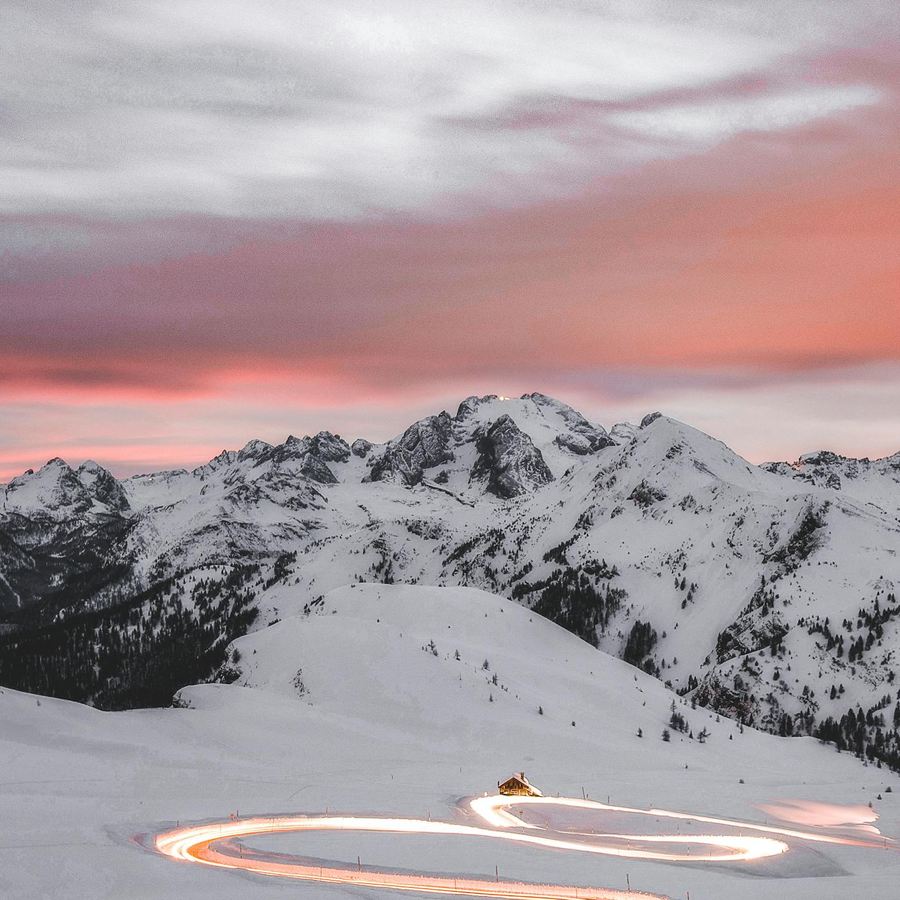
Standout mountain resorts for a low-stress stay
North America
- Mohonk Mountain House, New York: Victorian lake property with trails, rocking chairs, and a pace that rewards reading by windows. Ideal when you want mountains without western flight time.
- The Lodge at Blue Sky, Utah: Wasatch views with strong wellness programming and villa spacing that protects quiet. Book shoulder seasons for softer rates and calmer trails.
- Fairmont Chateau Lake Louise, Alberta: Turquoise water and glacier backdrop with spa and lake walks that fill a day without adrenaline. Winter and summer both work if you pack for temperature swings.
- Post Ranch Inn, Big Sur: Coastal mountains meet Pacific mist—fireplaces, soaking tubs, and a no-rush culture that feels like a exhale after highway driving.
Europe and the Alps
- Grand Hotel Kronenhof, Pontresina: Engadin elegance with thermal baths and forest walks. Strong pick when you want Swiss polish without St. Moritz intensity.
- Adler Spa Resort Dolomiti, Italy: South Tyrol wellness with alpine air and structured spa days that make doing nothing feel intentional.
- Chedi Andermatt, Switzerland: Contemporary calm in a serious mountain town—excellent food, quiet rooms, and easy access to gentle valley paths.
- Alpbach Tyrol resorts cluster, Austria: Flower-village atmosphere, meadow hikes, and family-run hotels where dinner ends early and mornings start with cowbells, not DJs.
Asia-Pacific altitude without the rush
- Hoshinoya Karuizawa, Japan: Forest bathing culture, refined kaiseki, and a rhythm that lowers cortisol within hours of arrival.
- Amankora Bhutan lodges: Not a single resort but a circuit—mountain silence, hot stone baths, and guides who understand that rest is cultural, not lazy.
- Spicers Peak Lodge, Queensland: Great Dividing Range escarpment views with wildlife and private-deck time instead of lift queues.
How to build a relaxing mountain itinerary
Arrive early afternoon, take a slow walk before dinner, and avoid scheduling activities on day one. Altitude and travel fatigue punish ambitious first nights. On day two, pick one anchor: a spa circuit, a lake loop, or a scenic drive with picnic stops—not all three.
Seasonal notes that change the vibe
Winter rewards properties with strong indoor pools and sauna sequences. Summer favors lake access, wildflower trails, and balcony breakfasts. Shoulder weeks in late spring and early fall often deliver the best balance of clear views, moderate crowds, and staff attention.
Pack layers instead of one heavy coat, lip balm, and sunglasses—mountain sun is sneaky. If you plan light hiking, bring shoes with grip; relaxing does not have to mean sedentary, just unhurried.
Booking tactics that protect the escape
Request upper-floor rooms away from lifts and ice machines. Ask whether spa access is included or day-pass only—bundled packages often beat à la carte pricing. If you are driving, confirm covered parking and whether EV charging is available; logistics stress ruins calm faster than weather.
For couples, prioritize bathrooms with soaking tubs and king beds with space on both sides. Solo travelers should weigh library lounges, solo dining bars, and morning yoga classes that start gently.
When a mountain resort is the wrong choice
Skip big ski-party properties during peak holiday weeks if you want silence. Also be cautious with ultra-remote lodges if you need reliable Wi-Fi for work—the mental load of weak connectivity fights relaxation.
If your group mixes hard chargers and rest seekers, split activities instead of forcing one pace. The relaxing resort trip works when everyone agrees that downtime is the main event, not a consolation prize.
Food and beverage in vaulted spaces
Converted banks and breweries often host restaurants in the most dramatic volume. Acoustic panels may hide in rafters—listen during a busy service before booking a table for a proposal dinner. Breakfast in cathedral-like rooms is memorable when kitchen throughput matches the setting.
Chef tables in former vaults need ventilation that does not smell like yesterday’s truffle oil in guest corridors above.
Owner-operators and design authorship
Many tiny hotels reflect an owner’s taste—art collections, vinyl libraries, or coffee rituals you cannot franchise. Ask if the founder still involved; authorship fades when management companies standardize supplies. The best tiny stays feel like a hosted visit with hotel-grade reliability.
Repeat guests often return for staff continuity—remember names on your second stay and notice how the property evolves without losing voice.
The bottom line
The best mountain resorts for a relaxing escape do not ask you to prove anything on a trail. They give you clean air, warm water, good food, and permission to watch weather move across peaks from a chair. Pick the property whose strongest feature matches how you actually recover—sleep, spa, scenery, or silence—and protect the calendar around it.
Save two names from this list for your next season, book refundable rates, and travel midweek when you can. Mountains reward patience. So should your itinerary.