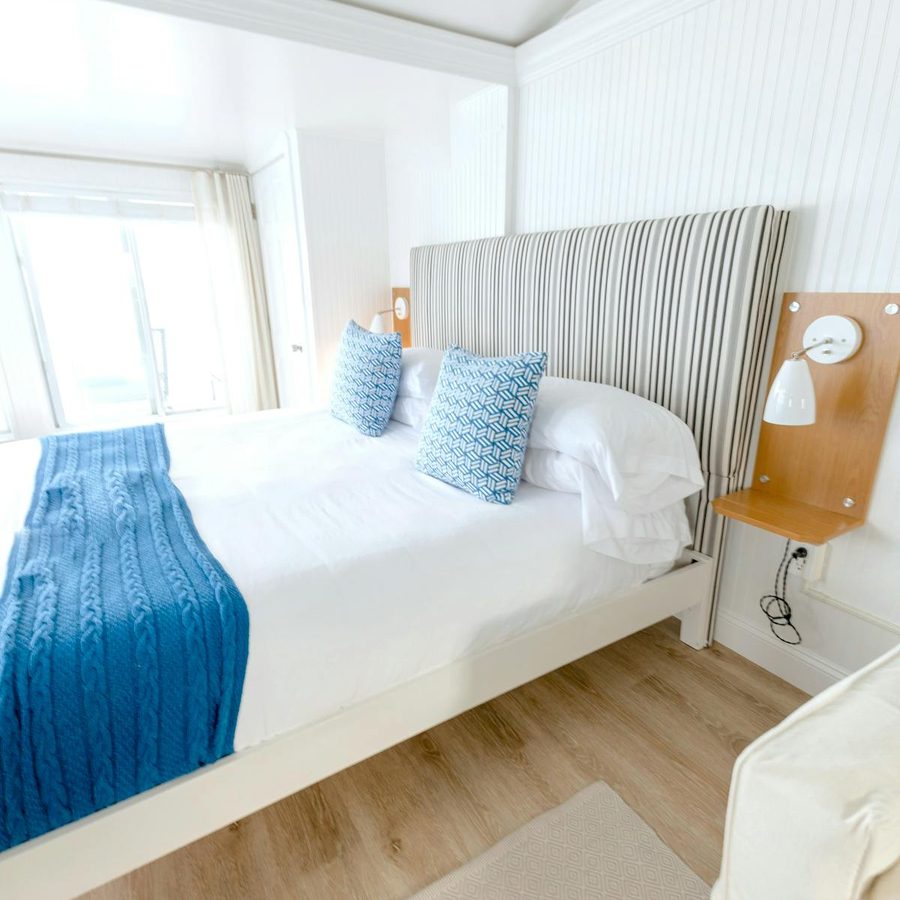
Social media shows a suite with a corner view and a caption—“they just upgraded me.” What you rarely see is the platinum number on the reservation, the Tuesday arrival in a slow week, and the polite note added forty-eight hours earlier. Frequent travelers get luxury upgrades for free by treating upgrades as probability management, not birthday magic.
This guide explains what actually moves the needle: elite status, inventory timing, booking patterns, and communication that front desks prefer to work with.
What “free upgrade” usually means
- One category up: King to larger king, partial view to better view—most common outcome.
- Club or lounge access: Sometimes more valuable than square footage on business trips.
- Suite when available: Rare on sold-out weekends; realistic midweek at full-service hotels.
- Operational perks: Late checkout, fee waivers, breakfast—often worth more than a cosmetic room bump.
Free means no cash surcharge for the category change. Taxes and resort fees still apply on the base reservation.
Elite status: the base layer
Gold, Platinum, Diamond, and Globalist tiers flag reservations in property systems. Flags do not guarantee suites—they prioritize you when empty inventory exists. Mid-tier status can be enough for consistent one-level bumps at business hotels if you book direct and stay on peak-occupancy nights less often.
Co-branded credit cards that grant automatic status accelerate the curve for travelers without fifty natural nights.
Timing and inventory: the hidden engine
Hotels upgrade when forecasting says they will oversell standard rooms or when suites would sit empty otherwise. Arrive Sunday night, stay through Wednesday, avoid citywide conventions, and upgrades improve—still not promised.
Check-in timing matters. Too early means rooms are not ready; too late on busy nights means only leftovers remain. Mid-afternoon arrivals on light days help.
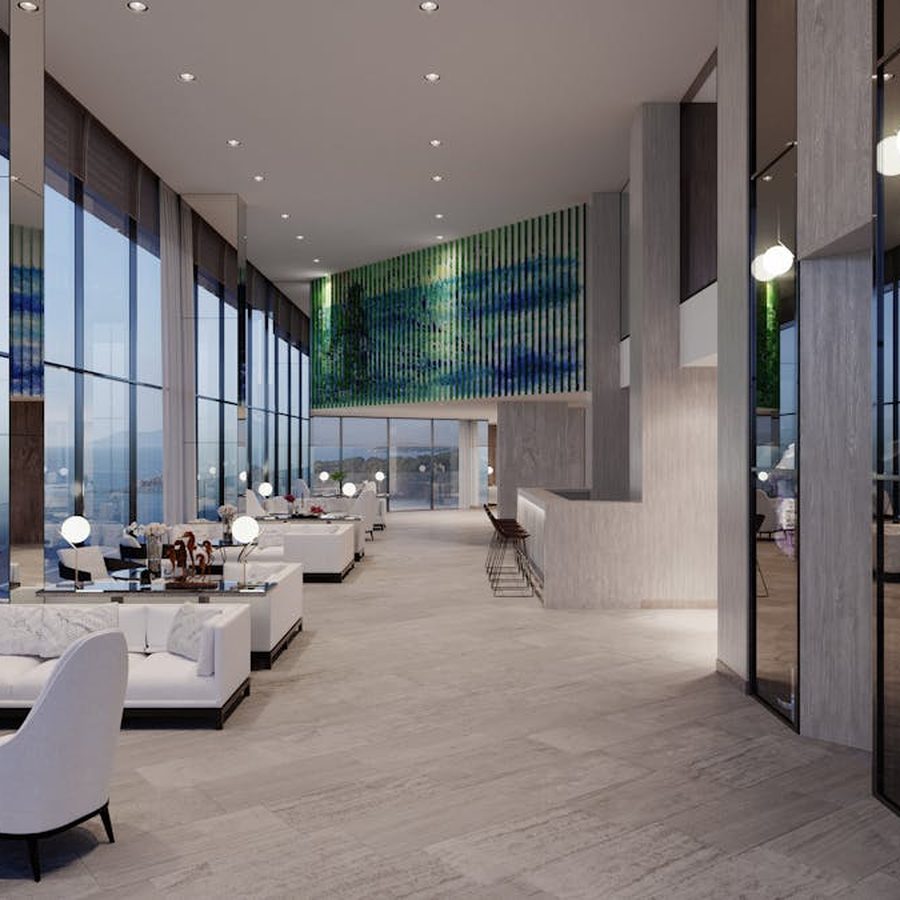
Booking choices that help
- Book direct with loyalty number attached—OTAs can strip upgrade priority.
- Flexible rates sometimes rank higher internally than deeply discounted opaque rates.
- Longer stays signal revenue worth nurturing—two nights beat one for goodwill.
- Newly opened or renovated properties may upgrade to seed reviews—read opening-month chatter.
Suite-night awards and certificates
Programs offering suite-night awards let you confirm suite inventory in advance when rules allow—closest thing to a guaranteed upgrade. Use them at properties where suites are materially better, not at airports where the “suite” is a larger box.
Annual free-night certificates from credit cards are not upgrades—but pairing a certificate standard room with an operational upgrade request can land strong trips.
How to ask without hurting your odds
Be brief and polite. State preferences once: high floor, quiet wing, away from elevator. Mention a celebration only if true—staff hear endless fake anniversaries.
Do not quote program terms as weapons. Ask “any chance of a larger room category if available?” and accept no gracefully. Repeat visits to the same property matter—relationship memory is real when staff turnover is low.
What road warriors avoid
- Demanding suites on sold-out Saturdays—sets up conflict.
- Booking the cheapest OTA rate—removes flexibility.
- Threatening bad reviews for upgrades—backfires instantly.
- Assuming partner bookings upgrade the same—program rules vary.
Luxury brand specifics
Marriott luxury: Ritz and St. Regis upgrades depend on elite tier and occupancy; breakfast and lounge rules vary by brand. Hilton luxury: Waldorf and Conrad may offer strong space when suites are empty. Hyatt: Park Hyatt redemptions and Globalist on-property treatment are frequent upgrade discussion topics—still subject to space.
When paying for an upgrade makes sense
Cash upgrade offers at check-in can beat poor points redemptions. Compare offered price to published suite rate minus fees. Sometimes $120 for a real suite on a conference night is smarter than 80,000 points elsewhere.
The bottom line
Frequent travelers get luxury upgrades for free by combining status, smart timing, direct bookings, and professional communication—not by luck alone. Build probability over dozens of stays; deploy suite-night tools on the trips that matter; accept that some nights you will sleep in the assigned room and still leave on time for the meeting. Upgrades are a bonus layer on reliable travel, not the product itself.