Business travel punishes small mistakes. You book the hotel with the lowest rate, then lose forty minutes twice a day in rideshares because the property sits outside the real CBD. Your video call drops during a client review. Housekeeping knocks during the one hour you blocked for deck work. The best hotels for business travelers in major cities are not always the flashiest logos—they are the stays that protect your calendar, your sleep, and your ability to look sharp at 8 a.m. without a heroic commute.
Major cities differ: Tokyo rewards rail proximity, Manhattan rewards walking radius, London rewards neighborhood choice as much as star count. This guide focuses on what frequent road warriors actually optimize—location honesty, work-ready rooms, predictable service, and loyalty mechanics that compound—then names hotel strategies and properties that consistently deliver in the world's busiest business corridors.
What business travelers should prioritize before brand loyalty
Start with non-negotiables you can verify before you pay, not amenities you will never use.
- True CBD proximity: Measure walking minutes from the hotel entrance to your meeting cluster—not aerial map distance across a river or freeway.
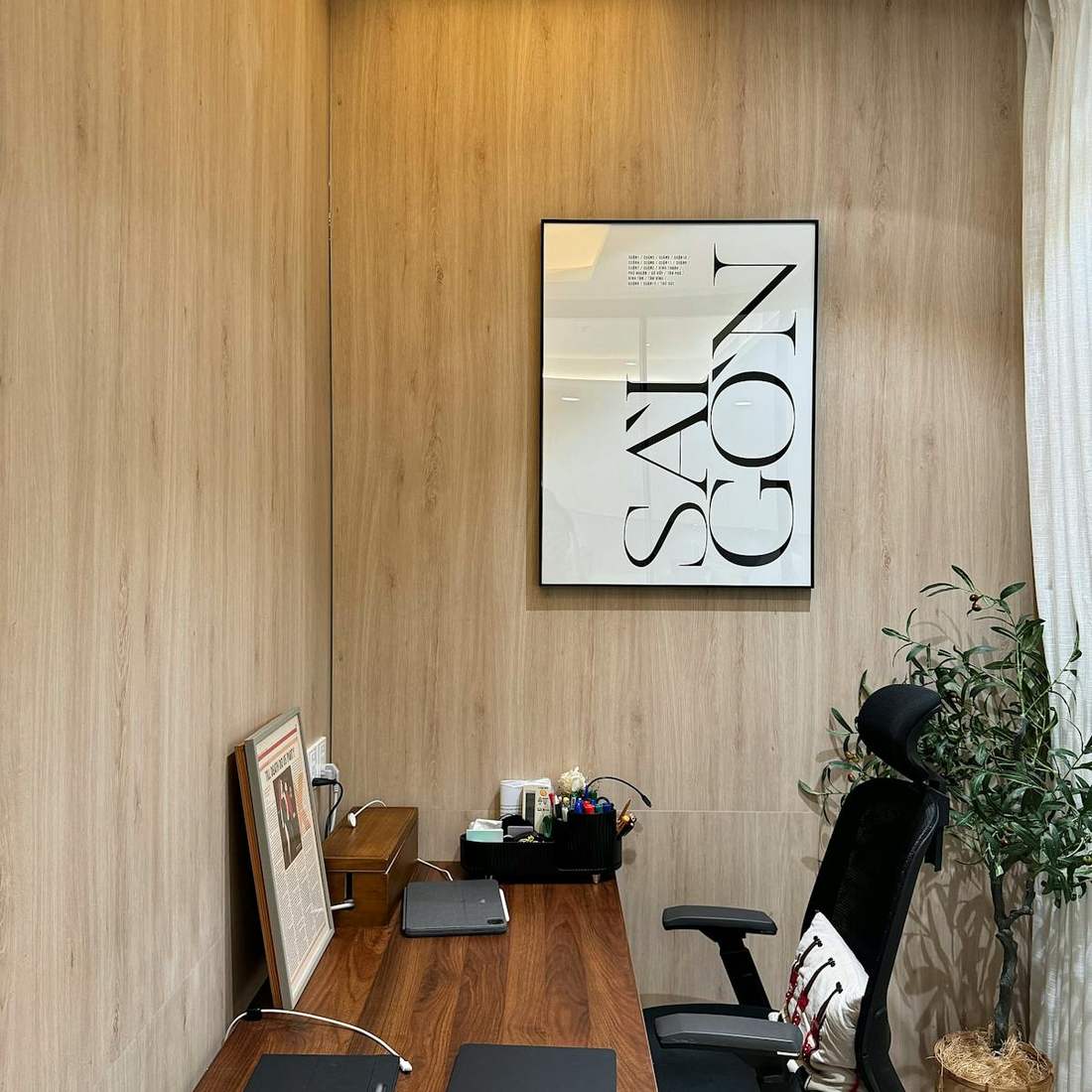
- Work-ready rooms: Desk depth, ergonomic chair or request path, outlets at desk height, and Wi‑Fi that supports video without hotspot panic.
- Sleep protection: Sound-rated windows, blackout layers, and HVAC that does not sound like a ship engine at 2 a.m.
- Time elasticity: Early check-in when possible, late checkout policies, and luggage hold that does not require a negotiation.
- Transparent fees: Resort, destination, and facility fees hit business districts hard—compare all-in nightly cost.
When those five hold, brand preference becomes a tiebreaker instead of a gamble.
North America: density, meetings, and late arrivals
New York City
Business travelers win in Midtown East, Hudson Yards, and FiDi when meetings cluster there—trying to save money in outer boroughs often costs more in Uber time than the rate spread. Park Hyatt New York and Conrad New York Midtown deliver strong rooms and reliable service for client-facing weeks. Andaz 5th Avenue suits creative industries with lighter public spaces. For tighter budgets with still-serious work setups, Hampton Inn Manhattan/Times Square Central and select Hyatt Place properties keep you inside the island grid.
Chicago
The Loop and River North remain the default for finance and law calendars. Kimpton Gray Hotel and LondonHouse Chicago pair walkable meeting routes with restaurants you can use for dinners without another transit leg. Winter travelers should confirm heated walkways and elevator wait times—convention weeks punish lobby flow.
San Francisco and Toronto
SoMa and Financial District hotels matter for tech roadshows; Four Seasons San Francisco and 1 Hotel San Francisco anchor upscale weeks. In Toronto, St. Regis Toronto and Fairmont Royal York keep PATH-connected cold-season moves sane. Always ask about construction on adjacent blocks—CBD hotels hide noise risk behind great photos.
Europe: walkability, rail, and shorter meeting days
London
City of London suits banking schedules; Marylebone and Mayfair work for mixed client and embassy calendars; King's Cross excels when your week is rail-linked across the UK. Threadneedles Hotel, Pan Pacific London, and Corinthia London earn repeat business travelers for service recovery and room consistency. If you live on the Tube, prioritize station exits you actually use—Bank, Liverpool Street, or Canary Wharf—not a generic “central” label.
Paris and Frankfurt
Paris business wins cluster in the 8th and La Défense—pick one, do not split the week unless you enjoy taxi roulette. Hôtel de Crillon for high-touch weeks; Novotel Paris Centre Tour Eiffel tier for disciplined budgets with metro access. Frankfurt fair weeks require early booking; Jumeirah Frankfurt and Villa Kennedy handle conference density better than distant airport hotels unless your flights demand it.
Asia-Pacific: rail hubs, efficiency, and late-night arrivals
Tokyo
Business travelers should think in stations, not wards. Park Hyatt Tokyo remains a benchmark for rooms and quiet, while Marunouchi Hotel and Four Seasons Hotel Tokyo at Otemachi win on walking commutes to corporate cores. Hotel Gracery Shinjuku and selected Mitsui Garden Hotels deliver efficient midscale stays when you need five nights without five-star pricing.
Singapore and Hong Kong
Marina Bay Sands and Fullerton Hotel Singapore suit mixed business and entertainment weeks; PARKROYAL COLLECTION Pickering works for design-conscious teams that still want CBD access. In Hong Kong, Upper House and Mandarin Oriental Hong Kong protect sleep and service; Central and Admiralty beat Kowloon unless your meetings explicitly sit across the harbor.
Sydney
CBD and Circular Quay properties keep harbor-city weeks walkable. Capella Sydney for flagship client weeks; QT Sydney when culture and meetings mix; Hyatt Regency Sydney for convention-adjacent schedules. Confirm domestic flight times before booking Darling Harbour—pretty views can add transit friction.
How to book like a road warrior, not a tourist
Book direct when corporate rates or loyalty benefits matter; use OTAs when you need flexible cancellation windows before agendas firm. Request high-floor, away-from-elevator rooms in writing. Confirm whether your company reimburses resort fees—many do not, and that $45 nightly surprise erodes policy goodwill.
Loyalty and corporate rate tactics
- Stack status challenges in cities you visit quarterly—one market done well beats scattered leisure stays.
- Negotiate RFP properties if your team fills the same city monthly—breakfast, Wi‑Fi, and fee waivers move at volume.
- Use day-use or club lounges for back-to-back calls instead of noisy lobbies—verify access rules before you rely on them.
- Track all-in cost per meeting hour saved—a higher rate inside the CBD often beats a “deal” plus three daily rides.
Room and floor choices that change the week
Corner rooms are not vanity—they often add desk space and reduce hallway noise. Suites are worth it when you host small client meetings in-room; otherwise a solid king category with a real desk wins. Ask about HVAC zoning if you work late: some glass towers overcool at night. For dual-monitor workflows, pack a compact stand and confirm HDMI or USB-C availability—hotels upgrade slowly.
Red flags business travelers should skip
“Near convention center” that requires a shuttle, “free Wi‑Fi” that throttles video, properties with hundreds of positive leisure reviews but silence on weekday sound, and hotels that charge for every device. Also skip romantic boutique placements when your calendar is 7 a.m. finance panels in a different district—charm does not replace thirty minutes of traffic.
Building a personal shortlist by city
Keep a living note with three tiers per market: flagship for client weeks, dependable midscale for internal trips, and backup near your most common meeting pin. After each stay, log one line: Wi‑Fi quality, desk reality, shower time to hot water, and whether you would repeat for a board meeting. Within a year you stop re-researching the same city from scratch.
The bottom line
The best hotels for business travelers in major cities respect time as the primary luxury. Choose real CBD access, rooms that support focused work, and operators that recover quickly when something breaks. Pay for proximity when your calendar is dense, protect sleep like it is part of the job, and let loyalty follow consistency—not nostalgia for a lobby you once photographed on a vacation. The right hotel does not make the trip exciting; it makes the trip executable—and that is exactly what business travel needs.