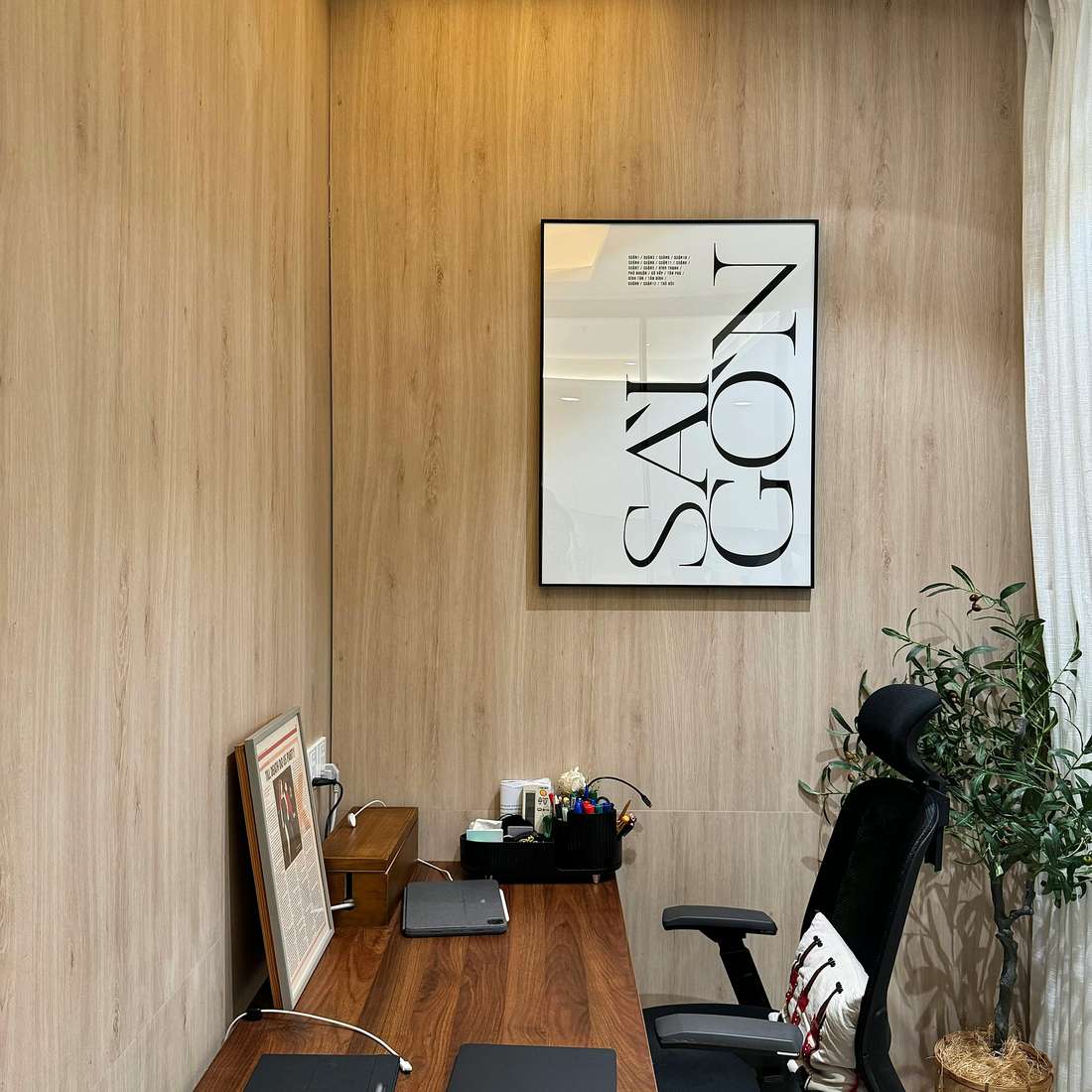
Work travel is not a vacation with meetings attached. It is your normal job relocated into airports, unfamiliar beds, and conference rooms where the Wi‑Fi works until it does not. Most productivity advice ignores that context and tells you to wake up at 5 a.m. for deep work—as if you landed three time zones east after a delayed connection and a lobby check-in queue. Staying productive while traveling for work requires smaller, repeatable systems: protect sleep first, design a portable workspace, batch tasks around transit, and stop treating every trip like a hero sprint.
The goal is not maximum hours. It is reliable output on the commitments that matter—client decks, approvals, team standups—without returning home depleted. Below is what frequent travelers actually use, not influencer morning routines.
Start with sleep and time-zone math, not inbox zero
One bad night costs more than a lost morning. On arrival, pick a sleep strategy and stick to it for forty-eight hours.
- Short trips (under four days): Stay on home time for calls where possible; shift meals, not every clock on your phone.
- Long trips: Anchor one local anchor event—breakfast meeting or gym—and build sleep around it.
- Red-eyes: Decide before boarding whether you will sleep or work; half-doing both fails.
Block hotel noise with earplugs you already trust, not free foam from the front desk. Request high floors away from elevators when the property is full—write it in the booking note, not only at check-in.
Build a portable workspace that survives real hotel rooms
Not every “business hotel” offers a real desk. Pack a light kit you can set up in ten minutes.
- Laptop stand plus external keyboard if you type more than ninety minutes daily.
- USB-C hub with HDMI—hotel TVs often become second monitors.
- Extension cord or compact power strip—outlets hide behind beds.
- Phone hotspot tested at home—property Wi‑Fi fails during exactly your client call.
On check-in, scan the room before unpacking: desk depth, chair wobble, mirror glare for video, and whether housekeeping knocks early. Fix the setup once; do not fight it all week.

Time blocking that respects transit and meetings
Travel days are not deep-work days. Label calendar blocks honestly.
Transit blocks
Use flights and trains for reading, expense logs, slide comments, and async messages—tasks that survive interruptions. Download files before boarding. Assume no upload bandwidth at 35,000 feet even when Wi‑Fi is advertised.
Hotel blocks
Schedule ninety-minute focus windows in the room with Do Not Disturb on, TV off, and phone on silent except for the one channel your team uses for urgent issues. Put deep creative work here; put reactive email in lobby gaps between sessions.
Meeting buffers
Add fifteen minutes after in-person meetings for notes and follow-ups while details are fresh. Without buffers, you carry open loops into dinner and sleep poorly thinking about them.
Communication norms while you are away
Set expectations before departure: response windows, who covers approvals, and which channel is urgent. A short auto-reply that says “replies within four business hours” prevents reputation damage better than silent delays.
For video calls, test camera height at the hotel mirror once—eye-level framing beats looking down at a laptop on a low desk. Use wired headphones with a mic you know; airport Bluetooth fails in crowded lounges.
Food, movement, and caffeine without sabotage
Skipping lunch produces a 3 p.m. crash that looks like laziness. Book simple meals near the hotel or meeting venue; decision fatigue on an empty stomach wastes more time than a thirty-minute lunch.
Walk ten minutes after long sits—stairs between sessions, one loop around the block before dinner. Caffeine curfew: cut off six to eight hours before your target sleep time; conference espresso after 4 p.m. is a common silent killer.
What to stop doing on work trips
- Working from bed all evening—sleep quality drops even if it feels efficient.
- Accepting every dinner invite—networking has a billable cost in tomorrow's focus.
- Live-emailing through presentations—you miss the in-room signals that justify the trip.
- Changing systems mid-trip—new apps and workflows can wait until you are home.
A one-page travel productivity checklist
Before you leave: hotspot tested, chargers packed, key files offline, out-of-office set, hotel desk confirmed in reviews. Each night: tomorrow's clothes ready, phone on charger across the room, three priorities written on one card. Before checkout: folio review, expense photo capture, and a five-minute transfer of notes into your real task system—not a pile of loose screenshots.
The bottom line
Productivity while traveling for work is maintenance, not motivation. Sleep like it is part of the job, build a workspace that respects your neck and your calls, and match task types to transit versus hotel time. The travelers who look effortless are not grinding harder—they designed the week so the important work had a protected place to land. Do that, and the trip delivers output without borrowing energy from the week after you get home.