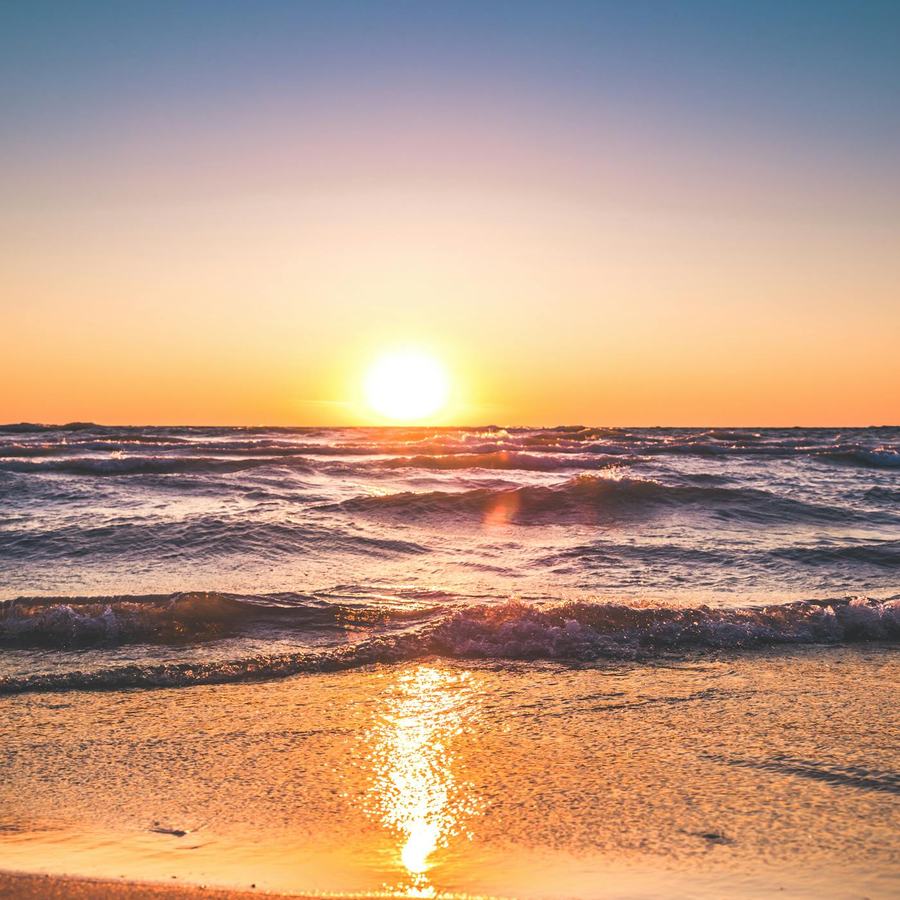
The most photographed resorts are rarely the most restful. Crowds change the product: longer breakfasts, louder pools, and staff trained for volume instead of memory. Hidden resort destinations are not secret because nobody knows them—they are quiet because they require an extra flight, a slower season, or a willingness to skip the landmark everyone else queues for.
This guide focuses on resorts and lodge-style hotels where low density is the point: fewer keys, stronger local hiring, and geographies that naturally cap daily arrivals. You will not find gimmicky “undiscovered” lists here. You will find patterns that keep trips calm when you deliberately step off the main circuit.
What “hidden” actually means for resorts
- Access friction: One more connection, a boat timing, or a drive that filters day-trippers.
- Room caps: Properties with dozens of keys, not thousands—operations stay human-scale.
- Seasonal honesty: Shoulder weeks with weather trade-offs beat peak weeks with parade energy.
- Activity optional: You can do nothing without feeling like you are wasting a ticketed itinerary.
Hidden is not remote for its own sake. It is remote enough that the day-trip bus does not define your afternoon.
Hidden resort regions worth considering
Islands and coasts with natural caps
- La Digue and outer Seychelles islands: Bicycle pace, guesthouse and small-resort scale, water color without casino strips.
- Islas de la Bahía, Honduras (Roatán alternatives): Utila and smaller cays for divers who want reef access without cruise-ship afternoons.
- Azores, Portugal: Volcanic lakes, thermal pools, and hotels where mist—not megaphones—sets the mood.
- Andaman niches outside the busiest Thai strips: Properties on quieter bays when you accept simpler infrastructure for silence.
Mountains and forests with lodge culture
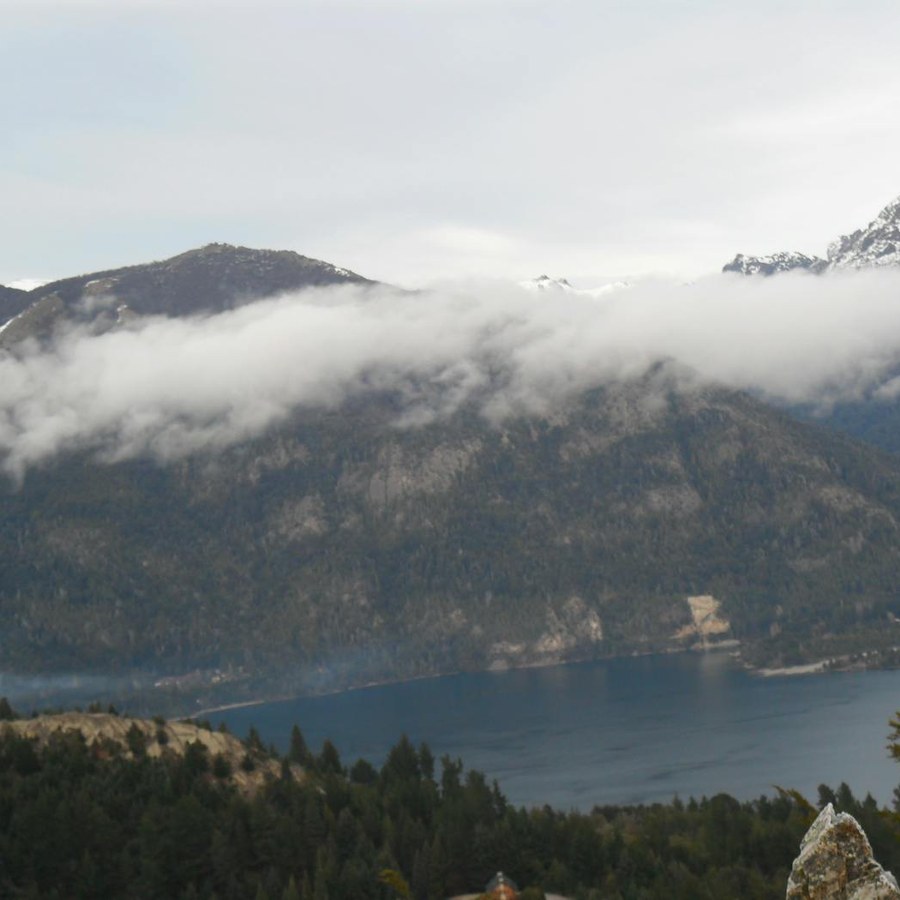
- Patagonia estancias and lake lodges: Wind, space, and staff ratios that make three-night stays feel complete.
- Slovenian Alps and Soča Valley inns: Emerald rivers, forest trails, and hotels priced for hikers—not influencer caravans.
- Northern New Mexico high desert retreats: Adobe spas and dark skies a few hours from crowded Southwest icons.
Countryside resorts within easy reach of cities
- Wales and Cornwall coves (UK shoulder season): Coastal hotels when you book outside school holidays.
- Shikoku and rural Kyushu ryokan clusters: Onsen rhythm without Tokyo queue culture—plan Japanese public holiday calendars carefully.
- Puglia masserie: Farm-resort compounds with olive groves instead of boardwalk energy.
How to book hidden resorts without surprises
Read transfer instructions twice. Confirm whether the property is closed certain weekdays, whether restaurants require reservations, and what happens if weather cancels boats. Hidden often means fewer backup options—flexible cancellation matters.
Questions that reveal real crowd levels
- How many keys and how many staff on duty at dinner? Ratio tells you more than star count.
- Is the beach public access? Local day visitors can change “private” marketing quickly.
- What week is local festival or marathon week? Quiet towns have loud weekends too.
Itinerary pacing for low-crowd resorts
Day one: arrive, walk the property boundary, eat on site, sleep. Day two: one excursion or one long beach block—not both. Day three: repeat what worked. Hidden resorts punish ambitious sightseeing lists because the payoff is repetition with calm, not volume of pins on a map.
When hidden is the wrong goal
If you need constant restaurant choice, midnight pharmacies, or kids clubs with hourly programming, mainstream resorts may serve you better. Hidden properties excel at couples, photographers, readers, and travelers recovering from burnout—not at travelers who want urban variety outside the gate.
The bottom line
Hidden resort destinations away from tourist crowds are built from geography, key count, and season—not from hashtags. Choose one region you can reach without exhausting connections, book shoulder dates, and protect unscheduled hours. The reward is not bragging rights. It is hearing your own thoughts before dinner—and keeping them after dessert.