
A relaxing hotel retreat fails in the planning phase more often than at check-in. You book a beautiful property, then stack excursions, dinner reservations, and “quick” emails between sauna sessions until the retreat becomes a busier version of home. The ultimate relaxing hotel retreat is not the most amenities. It is the fewest frictions between you and sleep, water, food, and silence.
This guide is a planning framework: how to choose the hotel, structure days, book spa time, set communication boundaries, and pack for recovery instead of performance.
Step one: define what relaxation means for you
- Sleep debt recovery: Prioritize blackout rooms, quiet wings, and late checkout.
- Thermal recovery: Sauna, steam, plunge, and pools with posted quiet hours.
- Nature recovery: Trails, water views, and properties where walking is the main activity.
- Creative recovery: Reading, writing, and lobby time—choose hotels with libraries and seating, not only nightclubs.
Write one sentence before you search: “This retreat is for ___.” Every booking decision should pass that filter.
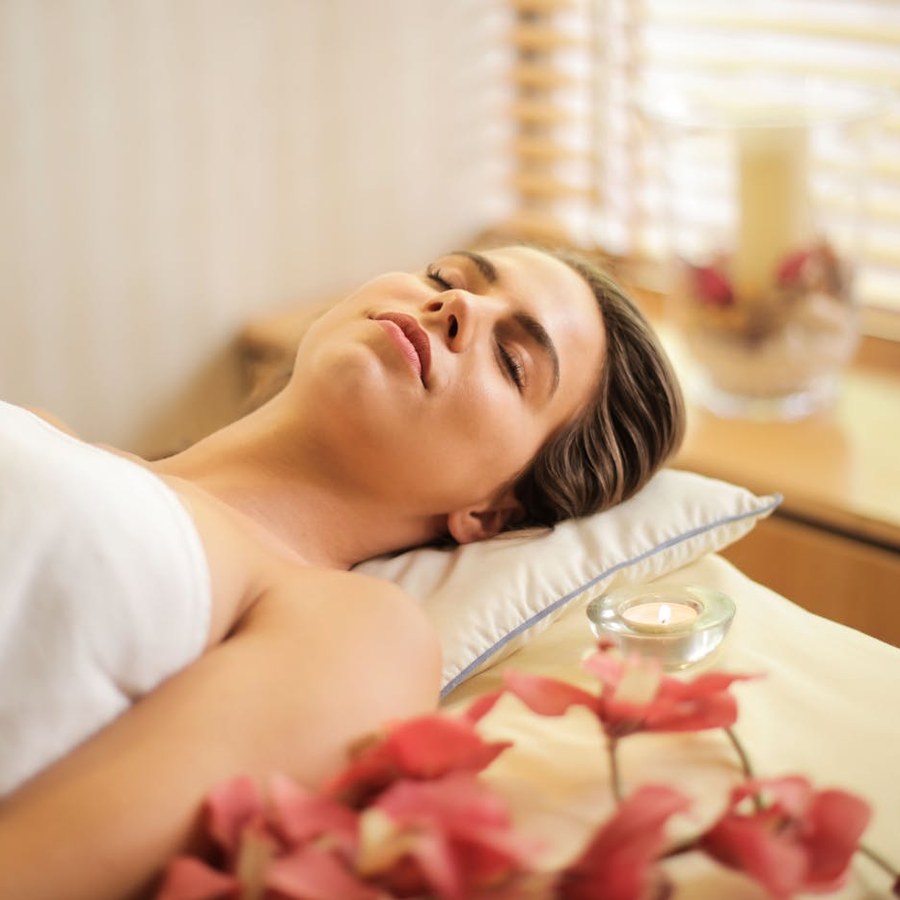
Step two: pick the hotel type that matches your goal
Destination spas (Canyon Ranch, Lanserhof, Miraval-style campuses) work when you want programming and metrics. Thermal hotels in Europe excel at heat circuits and multi-day rhythm. Small luxury hotels with strong spas suit couples who want privacy. Nature lodges fit travelers who relax through quiet landscape more than treatments.
Avoid convention hotels during major events in the same building—corporate crowds and spa calm rarely coexist.
Step three: length, arrival, and checkout
Two nights is the minimum for noticeable change; three to four nights is ideal for sleep debt. Arrive before 4 p.m. when possible so you walk the property once in daylight, eat on site, and sleep without “we should explore” pressure. Negotiate late checkout or spa access after checkout on departure day—one final sauna can bridge back to real life gently.
Step four: build a daily rhythm template
Day one (arrival)
Check in, light walk, thermal circuit or pool, simple dinner, early bed. No ambitious sightseeing.
Day two (core recovery)
Late breakfast, one booked treatment mid-afternoon, unscheduled block for reading or napping, dinner at natural hunger—not reservation theater.
Day three (optional extension)
Morning movement class if offered, repeat what worked on day two, sunset walk. If leaving, avoid stacking airport stress with a morning deep tissue marathon.
Step five: spa and treatment booking rules
- Book one signature treatment and one lighter follow-up—not three deep sessions back-to-back.
- Arrive fifteen minutes early; rushing cancels relaxation before the table.
- Ask therapist pressure preferences upfront; mid-treatment fixes are harder when you are trying to relax.
- Hydrate with electrolytes if using sauna heavily—headaches undo retreats fast.
Step six: digital and social boundaries
Set an out-of-office that protects you psychologically, not only professionally. Move chat apps off the home screen for the stay. If you must work, book a work-capable room category and schedule one sixty-minute block—never “quick checks” all day.
Traveling companions should agree on quiet hours and whether meals are phone-free. Mismatched expectations cause more retreat friction than bad thread counts.
Step seven: packing for relaxation
Bring soft layers, swimwear, flip-flops for spa areas, a real book, and earplugs even in quiet hotels. Leave laptop in the bag unless required. Pack one nice outfit for dinner if the hotel is social—effort without wardrobe stress.
Food and alcohol on retreat
Heavy tasting menus every night fight sleep. Use lunch for lighter meals if dinner is rich. Limit alcohol night one—dehydration shows up in saunas. Herbal tea and water become part of the plan, not afterthoughts.
Budget without undermining the retreat
Spend on nights and treatments before souvenirs. Compare included spa access versus day passes. Shoulder midweek dates often unlock better therapist availability and quieter thermal areas.
Red flags when booking “retreat” hotels
Noise complaints near event halls, spa menus with no available slots on arrival weekend, and properties that schedule loud entertainment nightly. Read reviews mentioning sleep, not only lobby photos.
The bottom line
The ultimate relaxing hotel retreat is planned subtraction: fewer goals, clearer boundaries, and a property whose operations support quiet. Choose one recovery type, book three nights if you can, protect day one, and let day two repeat what worked. You should leave annoyed that checkout is early—not relieved to escape a packed schedule. That annoyance means the retreat did its job.