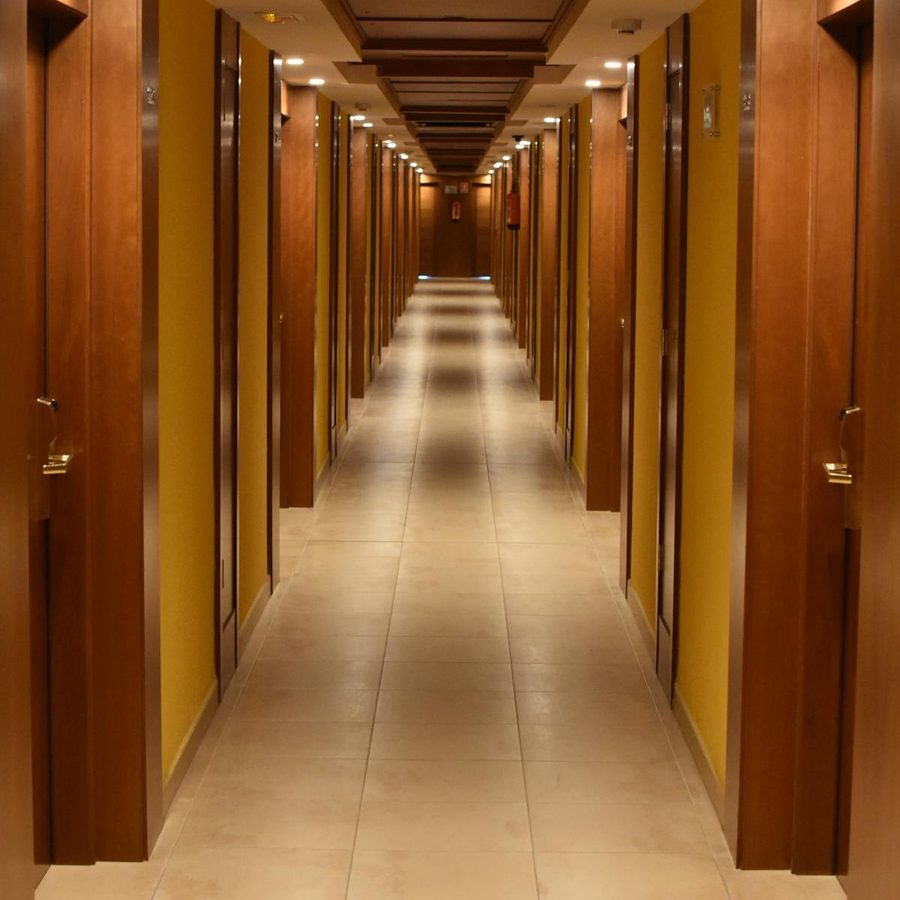
You remember the hotels that made travel easier—not the ones with the tallest atrium. Usually it was a text before arrival with the correct entrance, a door that unlocked without a queue, or housekeeping that appeared ten minutes after you asked instead of “sometime this afternoon.” Hotel services that instantly improve guest experience are rarely secret menus. They are operational habits executed with timing, clarity, and respect for how tired people actually move through a building.
Properties win loyalty when service removes friction faster than guests expect to negotiate. The list below focuses on services you can evaluate on a one-night stay, request at booking, or notice in reviews before you commit a card.
Why “instant” service is really about predictability
Guests do not need magic. They need fewer guesses. Instant improvement usually means the hotel answered three questions before you asked them: where to enter, how to get into the room, and who to contact when something breaks. When those answers are reliable, everything else—spa, restaurant, gym—gets used because the baseline stress dropped.
- Time to resolution: How fast issues close, not how ornate the apology is.
- Channel clarity: One messaging thread beats three phone transfers.
- Defaults that help: Late checkout offered proactively on quiet Sundays beats a policy buried in fine print.
Pre-arrival and arrival services that set the tone
Confirmed details before you land
Strong properties send practical pre-arrival messages: check-in window, parking or valet rules, elevator notes for annex towers, and whether mobile keys are live. Weak properties send marketing blurbs about the spa. Ask at booking whether the front desk texts operational info within 24 hours of arrival—if they do not, expect opening friction.
Mobile key and express check-in
When mobile keys work, they shave the most stressful minutes off urban stays. Test whether the app activates before you leave the airport; some brands require in-lobby Bluetooth handshakes that defeat the purpose. If you prefer desks, express lanes still help—pre-registered profiles, payment on file, and printed key sleeves ready at a dedicated pod.
Baggage and early arrival coordination
Storing bags is standard; sequencing them is service. Hotels that improve experience tag luggage, text when rooms are ready, and offer a lounge with showers for red-eye arrivals without charging full day rates. If you land at 8 a.m., confirm whether early entry is a fee, a courtesy for your tier, or truly unavailable—honesty beats a smile that cannot deliver.

In-room services guests feel within an hour
Housekeeping on demand, not on a hidden schedule
Opt-out green programs save water; on-demand refresh saves tempers. The best implementations let you request service through the TV, app, or a single text number with a realistic window—30 to 45 minutes, not “by 4 p.m.” Turndown should include practical items: water placement you can reach from bed, dimmed scenes that do not require a engineering degree, and climate settings that hold overnight.
In-room dining that respects clocks
Room service wins when quoted times are accurate and menus show allergens clearly. Properties improving experience publish delivery ranges, offer real plates instead of disposable-only defaults at premium tiers, and train staff to knock once, wait, enter—small etiquette that prevents awkward interruptions during calls.
Connectivity and device support
Free Wi‑Fi is baseline. Better service means stable video-call bandwidth, simple device casting, and USB outlets where you actually sit—not behind the headboard. Business travelers should ask about printer access, office-chair delivery, and whether the hotel loans HDMI adapters without a deposit maze.
Human services that scale: concierge, housekeeping leaders, and recovery
Concierge value is specificity. Useful teams book restaurants with dietary notes already transmitted, map walking routes with elevator closures flagged, and rebook flights when weather collapses—without sending you generic PDF attraction lists. Test them with one real request before you judge the desk décor.
When something fails—noise, HVAC, missing amenity—recovery speed defines memory. Strong hotels empower front-line staff to comp a meal, move rooms, or send engineering within minutes. Weak hotels trap you in manager callbacks after checkout. Read reviews for “fixed immediately” versus “offered points later.”
Accessibility and family services done visibly
Accessible routes should be confirmed at booking, not discovered via stairs at check-in. Cribs, rollaways, and connecting rooms should be held in the system, not “we will try.” Family-friendly service means kid menus at sane hours, pool towel replenishment, and lifeguard communication—not just a colorful slide in photos.
Departure services that earn the return booking
Late checkout with transparent cutoffs beats a hard 11 a.m. scramble. Express departure—folio by email, key drop, Uber staging—matters on conference Mondays. For road warriors, printed or emailed receipts broken down for expense policies reduce post-trip admin, a service category hotels underestimate.
Loyalty-linked perks should activate automatically: bottled water you do not have to ask for, preferred room categories when available, and fee waivers disclosed upfront. Surprise upgrades are lovely; predictable benefits build trust.
How to spot hotels that deliver these services
- Read recent service reviews for timing words: “immediate,” “texted,” “recovered,” versus vague “friendly staff.”
- Call with one scenario: early arrival with bags—note whether answers are specific.
- Check app store ratings for the brand app if mobile keys matter to you.
- Compare tiers honestly: Midscale brands with strong operations often outperform luxury lobbies with thin overnight staffing.
What to request at booking (copy-ready)
Send a short email or message: arrival time, accessibility needs, quiet room away from elevators, mobile key preference, and whether turndown is desired nightly. Ask who monitors the inbox after 10 p.m. Hotels that improve experience reply with names, times, and limits—not boilerplate.
Small investments properties can make overnight
Not every upgrade requires renovation. Cross-train two staff on every shift to resolve HVAC and billing without callbacks. Publish a single WhatsApp or SMS help line that routes to humans. Stock adapters and extra pillows in closets instead of 45-minute waits. Replace “how was everything?” checkout scripts with “did we deliver the late checkout we promised?”—guests notice when promises are audited.
The bottom line
Hotel services that instantly improve guest experience are the ones that respect time: clear pre-arrival paths, working keys, housekeeping when asked, food that arrives when quoted, and problems that close while you are still on property. Marble can impress for five minutes; reliability shapes the review you write at the gate. Choose hotels that operationalize kindness—and your stays will feel shorter in the best way, with energy left for why you traveled in the first place.