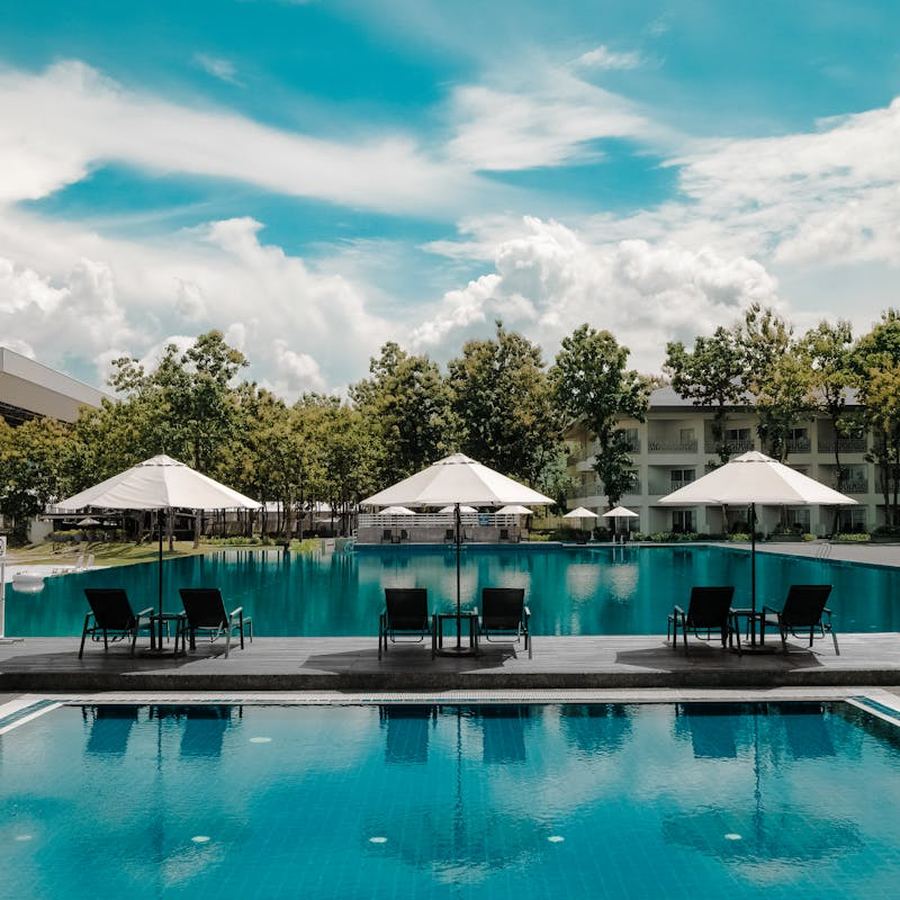
Great hotel hospitality feels effortless, which is why guests describe it as warmth instead of process. Underneath, the best teams run on psychology: they reduce uncertainty after a delayed flight, restore a sense of control when plans change, and offer recognition without performance. The psychology behind great hotel hospitality is not manipulation—it is alignment with how tired humans actually make decisions in unfamiliar buildings.
When you understand those levers, you can spot properties that will treat you well before you unpack—and hotels can train staff around behaviors guests remember longer than chandelier height.
Travel stress changes how guests perceive everything
Arrival compresses risk: new neighborhood, unclear check-in rules, luggage vulnerability, and the fear of a bad night before an important morning. In that state, small negatives feel large—a slow elevator, a confused rate explanation, a room facing a service alley. Small positives feel disproportionate too: your name used once correctly, a text with the right door, water placed where you can reach it from bed.
- Uncertainty tax: Every unanswered question costs attention guests needed for work or family.
- Control restoration: Options and clear timelines calm the nervous system faster than décor.
- Social safety: Staff tone that respects boundaries beats forced familiarity.
Anticipation beats surprise (usually)
Hospitality classics—champagne at turn-down, surprise upgrades—work when they match context. For business arrivals at midnight, anticipation means a sandwich option that is not a forty-minute room-service negotiation. For families, it means crib confirmation in writing, not a hopeful note at check-in.
Psychologically, predictable good beats random great. Guests trust hotels that deliver the same baseline every stay: quiet HVAC, working shower pressure, honest billing. Surprises then read as generosity instead of compensation for earlier chaos.
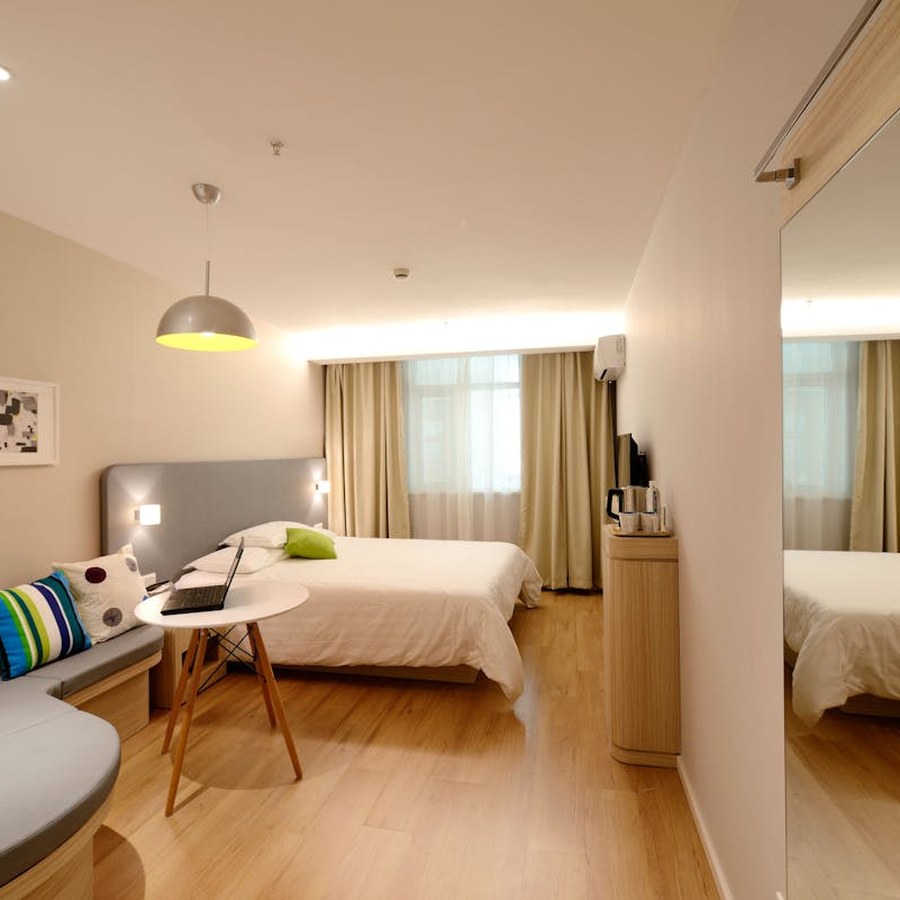
Recognition without performance
Guests want to feel seen, not studied. Effective recognition is specific: “Welcome back, we placed you away from the elevator per your note,” not “We value your loyalty” on a screen. Memory hooks include continuity—housekeeping adjusting around a do-not-disturb pattern, concierge remembering a dietary restriction from last year when systems actually store it.
Over-familiarity backfires. Psychology research on service repeatedly shows guests prefer competent calm to theatrical enthusiasm when they are depleted. Train warmth through clarity: what happens next, who owns the fix, how long it takes.
The peak-end rule in hotel stays
Guests summarize trips using emotional peaks and the ending—not averages. A single heroic recovery after a noise complaint can outweigh three neutral nights if the ending is dignified: late checkout delivered, folio emailed without chase, bags ready before the taxi.
Design peaks intentionally
- Arrival: Fast keys, orientation to room, climate already comfortable.
- First sleep: Linen quality and blackout reality—fail here and marketing never recovers.
- Problem moment: Empower front desk to move rooms or comp meaningfully without a manager scavenger hunt.
- Departure: Human checkout or seamless mobile folio plus luggage timing.
Environmental psychology: light, sound, and scent
Lobbies set cortisol levels. Harsh downlights, echoing hard surfaces, and conflicting music make queues feel longer. Layered warm light, sound-absorbing materials, and restrained scent (or none) communicate competence before words.
Corridors matter more than brands admit. Guests map escape routes unconsciously; clear signage, visible staff presence at night, and even lighting reduce anxiety. Room entry should feel like a threshold—quiet latch, no hallway blast when the door opens, thermostat readable without a manual.
Fairness and transparency
Nothing erodes hospitality faster than feeling tricked: resort fees at checkout, parking buried in fine print, minibar sensors that charge on lift. Psychological contract theory applies—guests accept higher prices when the deal feels honest upfront.
Explain policies as protections, not punishments: why IDs are scanned, why incidentals holds exist, how late checkout is allocated on sold-out days. Fair process matters as much as fair outcome.
Recovery is a loyalty laboratory
Service failures are inevitable. HVAC breaks. Neighbors are loud. Keys demagnetize. Great hospitality teams practice recovery scripts that acknowledge emotion first, offer choices second, and close loops third. “We can move you now or send engineering in ten minutes— which protects your evening better?” beats defensive monologues.
Guests who experience competent recovery often rate stays higher than guests with frictionless but forgettable visits—because trust formed under stress is sticky.
What travelers can observe in one night
- Do staff answer in complete sentences with timelines, or defer endlessly?
- Does the hotel text operational info before you ask?
- Are policies posted where decisions happen—check-in, parking, spa—not only on the website footer?
- Do reviews mention feeling “taken care of” versus only “beautiful lobby”?
What hotels can train this quarter
Role-play late arrivals and angry-but-polite guests. Give staff authority limits in writing so empathy is not trapped behind a manager who is off-site. Audit sensory environments at 11 p.m.—sound, light, smell—when executives are home but guests are not. Map the peak-end moments and assign owners: arrival host, night manager, checkout captain.
The bottom line
The psychology behind great hotel hospitality rewards operators who respect cognitive load: make the stay predictable, the room restorative, the recognition specific, and the recovery fast. Marble lobbies photograph well; calm competence is what guests carry to their next booking decision. Choose—and build—hospitality that works with human nature instead of against it.