Busy travelers do not need more apps—they need fewer friction points between landing and sleeping. Time-saving hotel hacks are the small defaults that compound: the same pre-arrival email, the same room request, the same fifteen-second checkout audit. Do them often enough and you stop losing twenty minutes to queues, wrong rooms, and folio surprises that could have been fixed last night.
None of these require elite status. Several work better with status—but the baseline saves time for any road warrior willing to be politely specific.
Before arrival: five minutes that save thirty
- Join loyalty and attach your number at booking—not at a sold-out front desk.
- Send one pre-arrival message: arrival time, quiet high floor, desk for work, mobile key preference.
- Screenshot the rate and confirmation—disputes are faster with images than memory.
- Save offline maps to the hotel entrance, not only the neighborhood centroid.
- Check app for mobile check-in and key activation before you leave the airport train.
Check-in hacks that beat the line
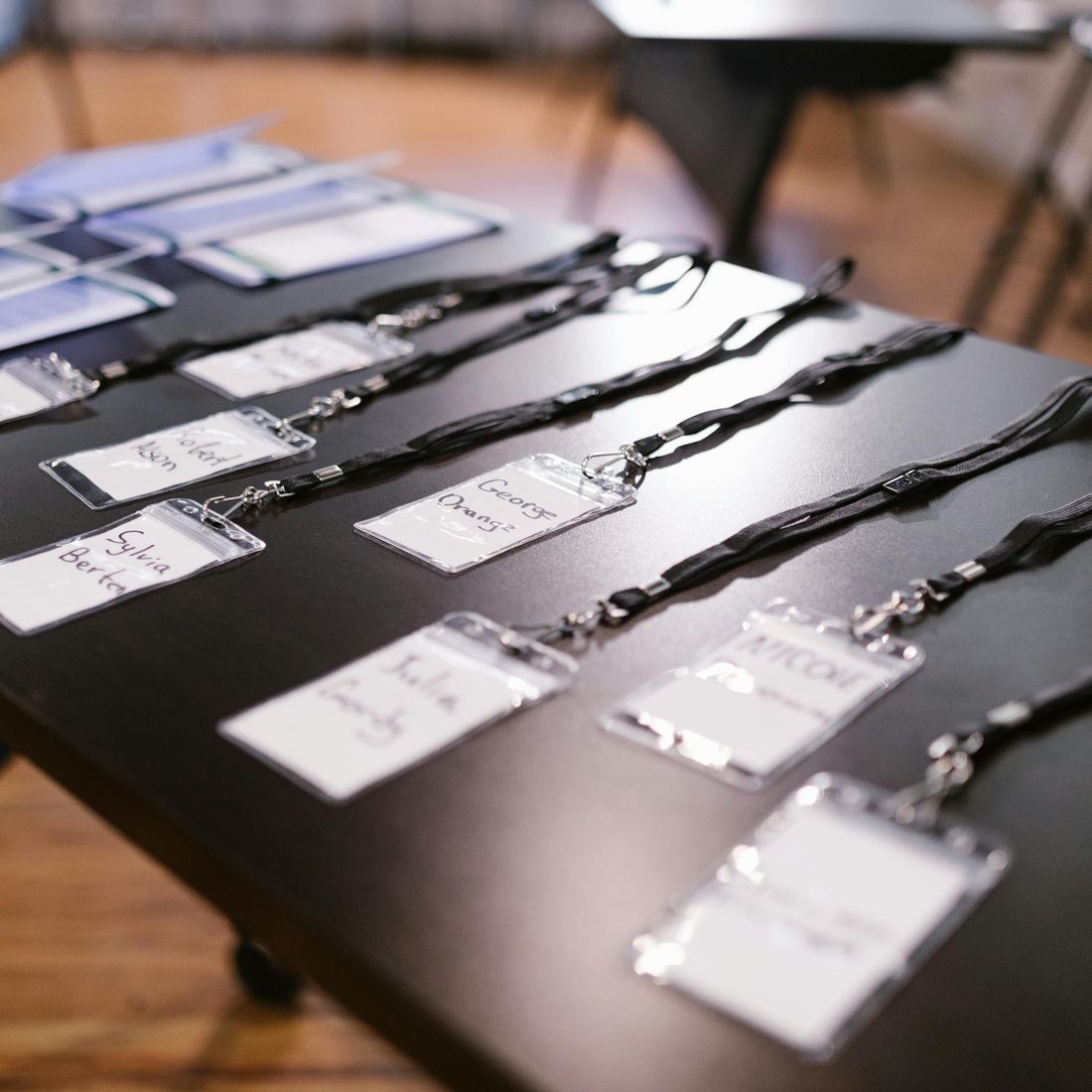
Use elite lines when you have them; use mobile keys when the app actually works—test activation before you stand in a physical queue. If you must visit the desk, have ID and card ready, state your name and arrival window in one sentence, and ask for keys plus Wi‑Fi login on the same breath.
Decline the verbal upsell tour unless you need parking explained. You can read signage.
Room setup in ten minutes
Before unpacking: test Wi‑Fi with a video upload, locate outlets at the desk, set Do Not Disturb for call blocks, and hang the privacy sign if housekeeping should skip early rounds. Plug chargers at the workstation, not the bed. Photograph the room if your company requires condition documentation.
Unpack only what you need for two days; live out of cubes. Repacking Sunday takes half the time.
Housekeeping and service timing
Schedule housekeeping for when you are in meetings—not when you return for a quick reset. Use app requests with explicit times. Turndown is optional; skipping it often means fewer knocks during focus hours.
Food and coffee without queue roulette
Ask breakfast start time in writing if you have 6 a.m. meetings. Locate the nearest café with receipt-friendly options for expense policy. Pre-order room service the night before for early departure days. Stock water at the desk once—stop paying minibar prices daily.
Checkout and folio discipline
Review charges the night before departure, not in the Uber. Dispute resort fees, parking you did not use, and minibar sensor hits before you leave the property. Email folio to yourself and accounting in one forward with trip code in the subject line—future you saves ten minutes per trip.
Phrases that work at the front desk
- “I am in a hurry—may I have mobile key assistance?”
- “Quiet room away from the elevator, high floor if possible.”
- “May I have late checkout until X? I will confirm by text if plans change.”
- “Could engineering check Wi‑Fi upload in this room? I have a video call at Y.”
Politeness plus specificity beats status posturing.
Loyalty accelerators worth knowing
Digital keys, room-ready texts, and guaranteed late checkout at mid-tier elite levels buy real minutes. If you travel one city monthly, negotiate a small business rate with the GM—human relationships beat anonymous OTAs for repeat weeks.
Hacks that waste time when done wrong
- Arguing for upgrades on sold-out conference nights—ask for quiet instead.
- Unpacking fully for two-night stays.
- Ignoring app notifications about mobile key expiry.
- Leaving expenses until Sunday night—capture daily.
The bottom line
Time-saving hotel hacks for busy travelers are habits: pre-arrival notes, mobile check-in when reliable, fast room setup, scheduled housekeeping, night-before folio review, and checkout templates. Minutes saved per day become hours per quarter—enough for sleep, a walk, or finishing the deck without a midnight lobby scramble. Build the checklist once; run it every trip.