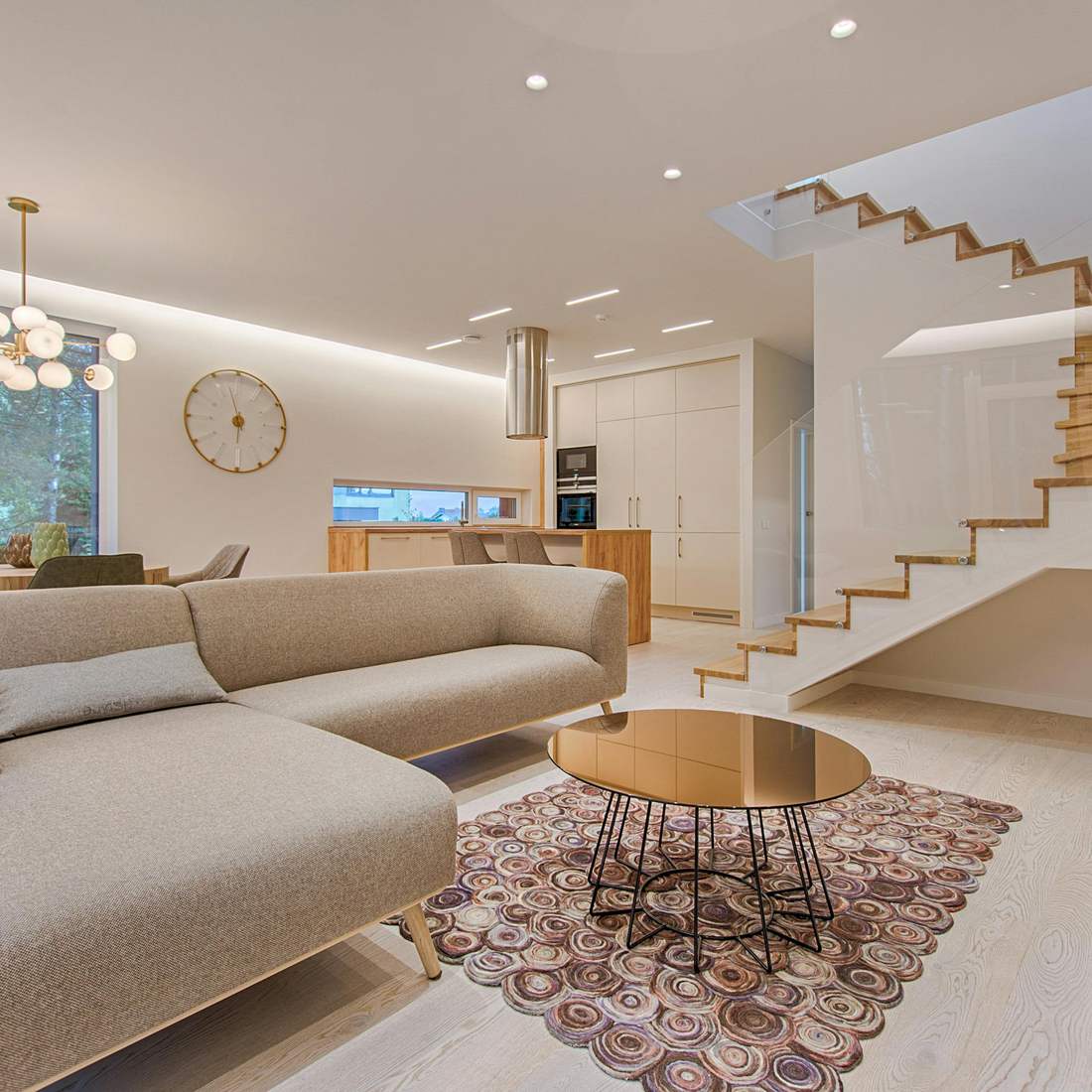
Chain hotels sell predictability. Boutique hotels sell a point of view—and increasingly, professionals buy it for the same reason they pick a favorite coffee shop over a mall franchise: fewer surprises about quality, staff who remember your preferences, and a neighborhood that feels like work and life can coexist. Why more professionals prefer boutique hotels is not anti-chain ideology. It is math on experience per minute when you travel twelve weeks a year.
Boutique does not mean tiny or rustic. It means owner-led or design-led properties with fewer rooms, curated service, and locations chosen for character—not only highway exit visibility.
What “boutique” means for business travelers
- Smaller room count: Staff can know repeat guests and fix issues without call-center scripts.
- Design intention: Lighting, acoustics, and furniture chosen for how rooms photograph and how they feel at 10 p.m.
- Neighborhood embedding: Walkable dinners, local coffee, and client meetings without taxi dependence.
- Food identity: Restaurants that are destinations, not generic “marketplace” buffets.
Corporate policies sometimes block independents without preferred rates—negotiate project codes or use programs like Leading Hotels of the World when chains cannot match the location you need.
Advantages professionals actually cite
Service memory and speed
Front desks at strong boutiques resolve room moves, late checkout, and dietary needs without escalating to a regional manager three states away. Repeat guests get room preferences stored—firm pillows, high floor, away from street—because the PMS is not drowning in five hundred nightly check-ins.
Meetings that do not feel like airport lounges
Boutique lobbies and drawing rooms host quiet coffee meetings without the chaos of convention crowds. Some properties offer salon-style meeting spaces with real tables and daylight—better for creative pitches than fluorescent boardrooms.
Status without stadium lobbies
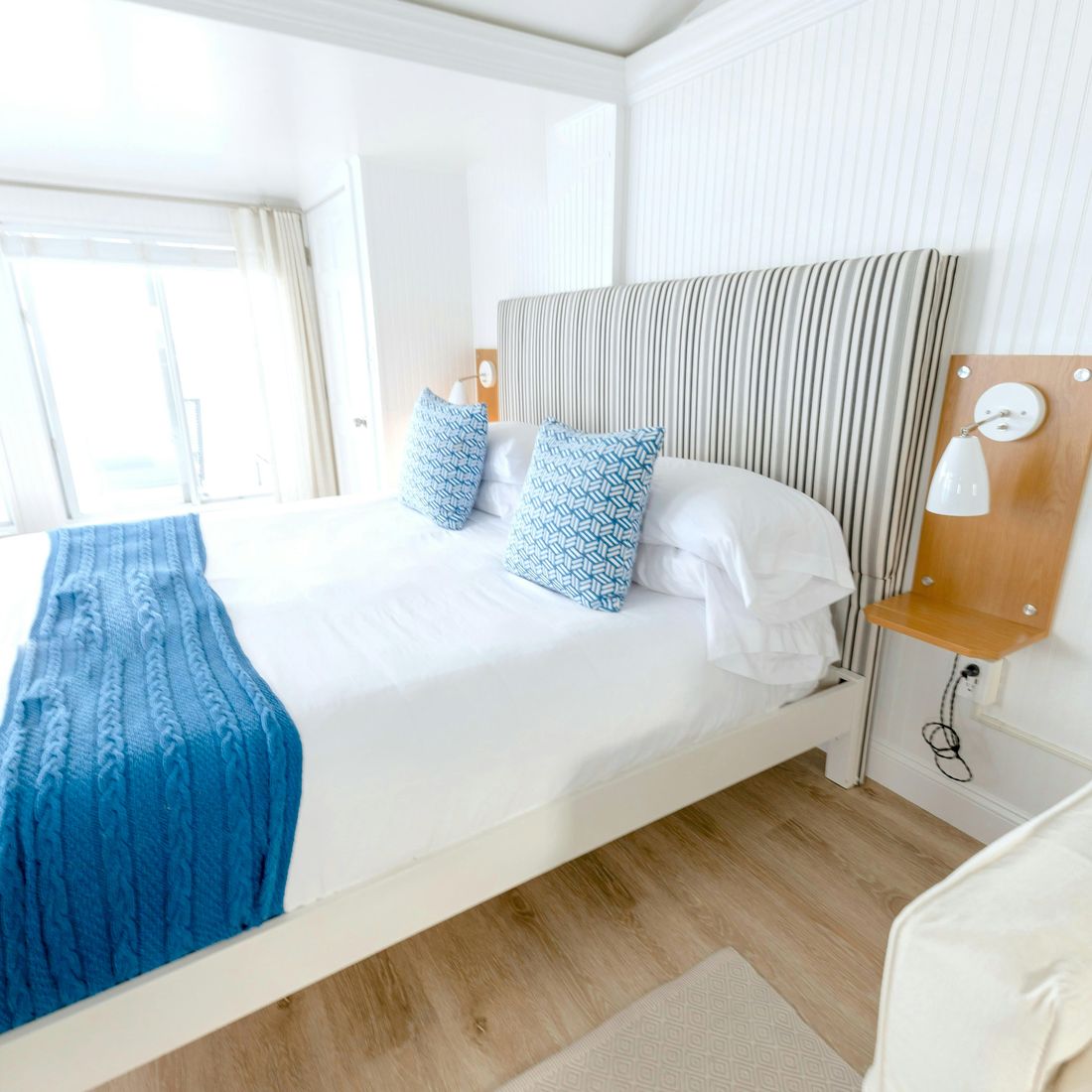
Professionals entertaining clients want atmosphere without screaming wealth. Boutiques deliver material quality and calm—stone, wood, linen—without twelve-story atriums that echo every rolling bag.
When boutique beats a major chain
- Creative and client-facing industries where impression and taste matter.
- Weeklong stays in one city when neighborhood integration beats points earning.
- Urban trips with dense meeting calendars in walkable districts chains overserve with oversized boxes on the edge of downtown.
- Bleisure extensions when you want one memorable dinner block steps from the hotel.
When chains still win
Elite loyalty perks, guaranteed late checkout at scale, convention skybridges, and standardized ADA rooms across brands matter for some travelers. Airport overnights and highway exits still favor Hilton, Marriott, and IHG footprints. Smart professionals mix: chain where infrastructure wins, boutique where experience wins.
Risks to screen before booking
Boutique marketing exceeds delivery at properties with tired bathrooms and slow Wi‑Fi. Read recent business reviews, not only design blogs. Confirm desk quality, VPN-friendly internet, and breakfast hours for early meetings. Verify parking and access if you drive—old urban buildings have tight entries.
How to find reliable boutiques
Use curated collections—Design Hotels, Small Luxury Hotels, Preferred Life—then cross-check Google Maps for 3 a.m. noise and Wi‑Fi complaints. Ask LinkedIn contacts for city-specific picks; one trusted name beats scrolling fifty Instagram posts.
The bottom line
Why more professionals prefer boutique hotels: service memory, neighborhood fit, and rooms that feel authored—not cloned. Chains still own logistics at airports and conventions; boutiques win weeks when your calendar lives in one walkable district and your clients notice the setting. Pack loyalty flexibility, verify work infrastructure, and book the property that matches how you actually travel—not the logo you default to.