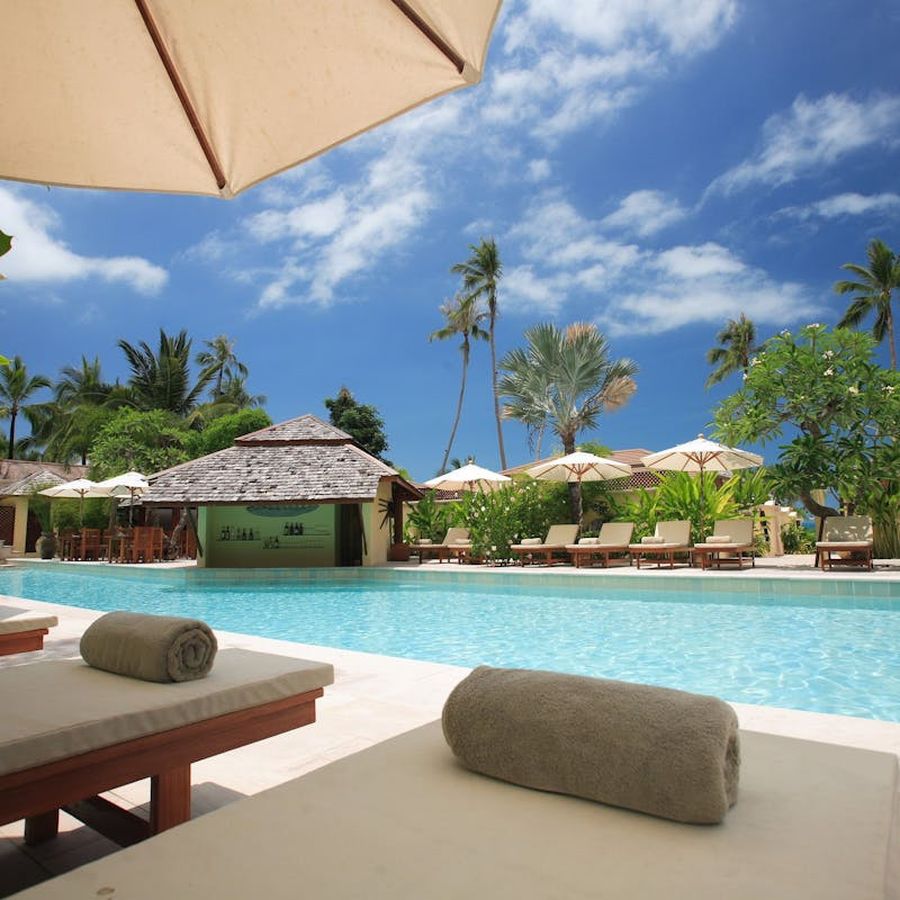
You have seen the rate popup and felt the same quiet question: is this hotel actually worth it, or am I paying for a logo and a lobby flower arrangement? Luxury pricing is easy to market and hard to justify. The properties below made this list because repeat guests, working concierges, and travel editors consistently describe the same thing—moments that would feel thinner at a lower tier, not just nicer thread counts.
This is not a ranking of the most expensive suites on earth. It is a practical shortlist of fifteen luxury hotels where the total package—location, room quality, staff judgment, food, and pace—holds up when you compare the nightly rate to what you would spend trying to recreate the experience elsewhere.
How we judged whether a luxury hotel is worth the price
Price alone is a weak signal. A hotel can charge five figures and still deliver rushed check-ins, tired bathrooms, and a breakfast buffet that feels like an airport lounge with better napkins. Worth-it luxury usually shows up in four places.
- Location leverage: You save real time or gain a view category you cannot buy nearby at a discount brand.
- Room fundamentals: Sound insulation, water pressure, lighting, storage, and sleep quality—not just square footage.
- Staff with authority: People who solve problems without passing you through three managers.
- Signature experiences: A spa, restaurant, pool, or cultural access that is part of why you came.
If two of those four are weak, the hotel may still be lovely. It probably does not belong on a worth-the-price list.
The fifteen luxury hotels that earn their rates
Asia-Pacific standouts
- Aman Tokyo: Vertical calm in Otemachi with ofuro-style soaking, precise service, and a design language that feels like a private residence scaled up. Worth it when you want silence inside one of the world's loudest business districts.
- Mandarin Oriental Bangkok: Riverside heritage with river breezes, strong spa programming, and concierge teams that still remember how Bangkok actually works—not just how it photographs.
- The Peninsula Hong Kong: Harbor-facing rooms, fleet transfers, and afternoon tea that remains a benchmark. Pay for the view category and the operational polish on busy arrival days.
- Park Hyatt Tokyo: Shinjuku altitude, understated Japanese luxury, and New York Grill sunsets that justify a splurge night even if you eat elsewhere half the trip.
- Capella Singapore: Sentosa greenery with villa-style privacy, serious dining, and a pace that feels like a resort without leaving Singapore logistics behind.
Europe and the Middle East
- Four Seasons Hotel George V, Paris: Avenue George V access, floral artistry, and service training that shows when Paris is crowded and you are tired. Worth it for milestone trips where logistics matter as much as thread count.
- Belmond Hotel Cipriani, Venice: Giudecca escape with pool and boat arrivals that change how Venice feels on hour six of your stay. You are paying to remove friction from a complicated city.
- Rosewood London: Holborn elegance with clubby warmth, strong dining, and rooms that feel British without feeling museum-frozen.
- Ritz-Carlton, Kyoto: Kamogawa views, seasonal kaiseki partnerships, and a spa philosophy aligned with the city's slower aesthetic. Rates sting less when you treat the hotel as half your itinerary.
- Emirates Palace Mandarin Oriental, Abu Dhabi: Scale and beach access with service density that matches the setting. Best value when you want resort breadth without sacrificing city dining options.
Americas and remote escapes
- Waldorf Astoria New York: A reopened icon where history, art, and Midtown positioning matter. Worth it when you want a storied address and can book a room category with real space.
- Fairmont Banff Springs: Castle architecture inside Banff National Park with mountain air and activity access. You pay for location inside the park, not just chateau styling.
- Six Senses Zighy Bay, Oman: Cliff and beach contrast, wellness programming, and arrival drama that is part of the product. Ideal when you want desert-meets-sea without a crowded marina scene.
- One&Only Reethi Rah, Maldives: Villa privacy, water clarity, and marine activities managed at a high operational level. Expensive, yes—but splitting the experience across three cheaper islands rarely nets the same calm.
- The Brando, Tetiaroa: Eco-luxury on a private atoll with research credibility and villa spacing that protects quiet. Worth it for honeymoons and resets where isolation is the point.
When paying luxury rates makes financial sense
Luxury is easier to justify on trips where friction costs you something measurable: missed connections, limited vacation days, or a celebration you cannot reschedule. A worth-it hotel often saves you taxi loops, restaurant roulette, and the mental load of fixing small failures yourself.
It is harder to justify on city breaks where you only sleep and shower. In those cases, book the best location tier you can afford and spend on food and experiences instead. The hotels above still work as splurge anchors—just pick the property that matches how you actually travel.
Booking tactics that protect value
- Compare room categories, not brand names: A junior suite with real windows beats a grand suite facing an air shaft.
- Ask about included benefits: Breakfast, club lounge access, spa credits, and late checkout change the math.
- Stack loyalty intelligently: Status nights and property promotions sometimes beat third-party discount sites once benefits are counted.
- Read recent guest notes on noise and renovation: Luxury properties renovate in phases; worth-it pricing assumes the room you receive today.
Red flags that luxury price tags cannot fix
Skip the splurge when reviews repeatedly mention thin walls, surly night staff, or restaurants that coast on reputation. Also be cautious when a hotel's main selling point is influencer decor that photographs well but sleeps poorly. Luxury worth paying for should feel better at 11 p.m. than at 11 a.m. on social media.
Another warning sign is fee stacking: resort fees, mandatory valet, and inflated minibar pricing that turn a quoted rate into a surprise invoice. Worth-it properties tend to be transparent at booking and proportionate on incidentals.
How to choose from this list for your next trip
Match hotel personality to trip purpose. Choose Aman Tokyo or Capella Singapore when restoration matters. Pick George V or Rosewood London when walkable city culture is the centerpiece. Choose Cipriani or Ritz-Carlton Kyoto when the destination is intense and you need a soft landing. Choose Zighy Bay, Reethi Rah, or The Brando when the hotel is the destination.
If you are traveling as a couple, prioritize sound insulation and bathroom layout. Families should confirm connecting rooms, pool hours, and kid-friendly meal pacing before paying premium rates. Solo business travelers should weigh concierge efficiency and gym quality as heavily as the thread count.
The bottom line on luxury that pays off
These fifteen properties are not cheap, and they should not be. They are worth the price when their strongest features align with why you are traveling—views, privacy, cultural access, wellness, or simply the relief of being handled well after a long flight. The goal is not to worship expensive hotels. It is to spend where the money buys time, calm, and memories you would not trade for a discount.
Save this list for milestone trips, then narrow to two or three candidates based on season and room category. Ask one direct question before you book: what will I miss if I stay somewhere cheaper for this exact itinerary? If the answer is specific—harbor light, boat arrival, onsen calm, desert silence—the rate may be doing its job. If the answer is vague, keep the cash and book smart one tier down.