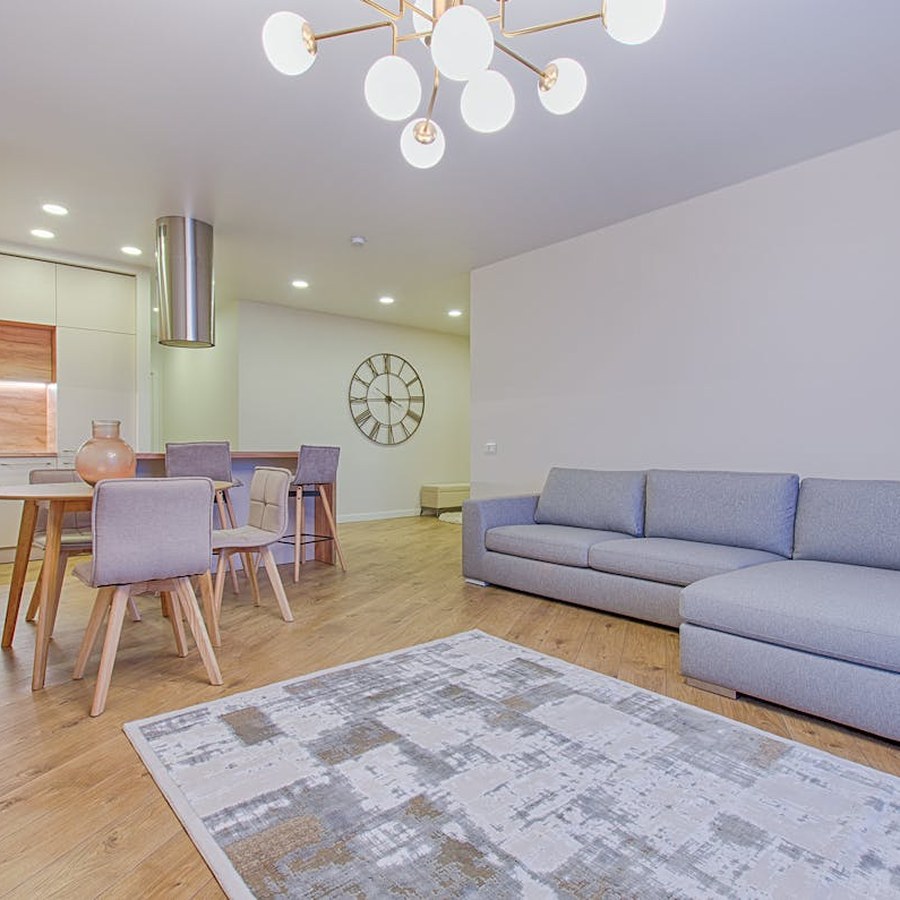
Big resorts are built to impress at scale: atriums, multiple pools, a lobby map that looks like a transit hub. Boutique hotels aim for a different emotion—recognition. You walk past the desk twice and someone remembers you prefer still water. Your room feels like a decision, not a template stamped across forty floors.
Personal does not mean perfect. It means the stay reflects human judgment: a handwritten note that is actually useful, a breakfast menu sized for the kitchen that serves it, a manager who appears when the AC wins the argument. This guide highlights boutique hotels and brands that consistently feel more personal than large resorts—and how to choose them without paying for Instagram wallpaper.
Why boutique stays can beat resorts on warmth
Resorts optimize throughput. Boutiques optimize memory. Smaller teams can bend rules without calling a regional director. Design can be local instead of globally standardized. Meals can change with market availability instead of corporate procurement calendars.
- Lower guest-to-staff ratios on property, not just on paper.
- Fewer room keys mean maintenance and housekeeping notice details faster.
- Curated experiences instead of a schedule of activities designed for everyone and no one.
The trade is obvious: you will not get a water park, six restaurants, and a conference wing. You gain texture, pace, and conversations that do not feel scripted.
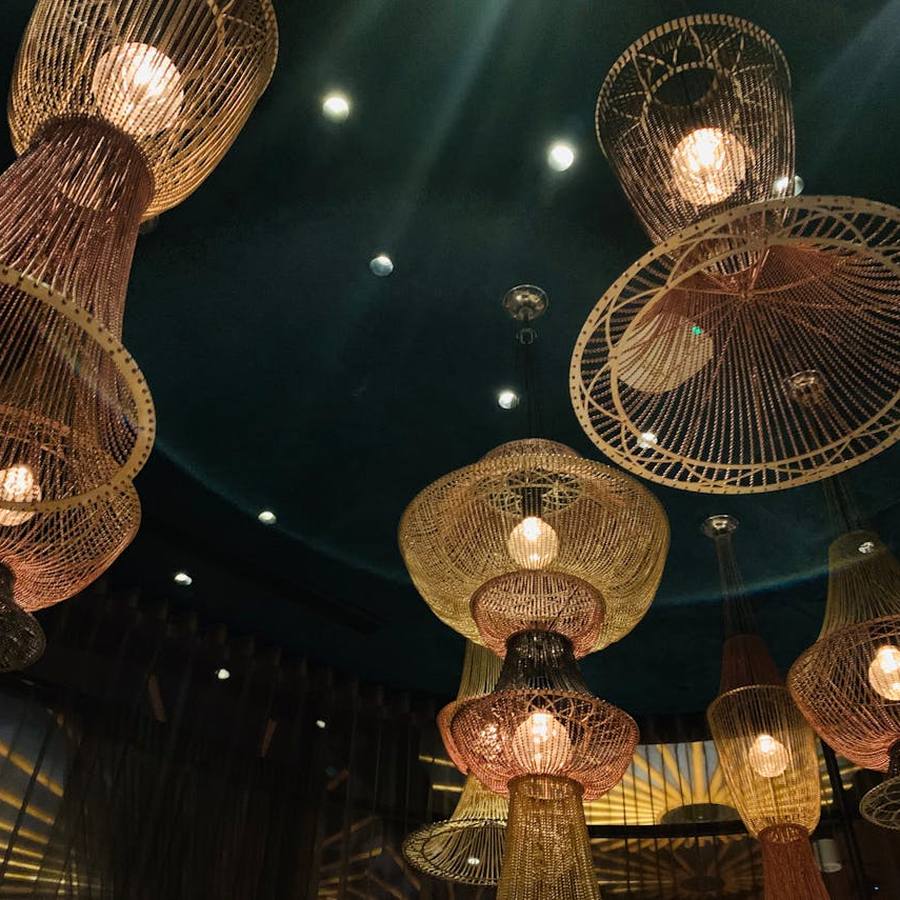
Boutique hotels and brands worth the shortlist
City boutiques with real neighborhood roots
- The Greenwich Hotel (New York): Tribeca calm with spa seriousness and rooms that feel residential. Staff anticipate without hovering.
- Hotel Sanders (Paris): Left Bank intimacy with restaurant energy that pulls locals, not only guests.
- Sir Victor Hotel (Barcelona): Eixample design with rooftop social space that still sleeps well—rare balance.
- The Hoxton (multiple cities): Not tiny, but lobby culture and room layouts keep it personable at scale.
- Ace Hotel (select locations): Creative crowd, local art partnerships, and front desks that answer like humans.
Coastal and countryside escapes
- Post Ranch Inn (Big Sur): Dramatic setting with service that matches the silence—personal via privacy, not chatter.
- Fogo Island Inn (Newfoundland): Community-linked design and hosts who treat guests as visitors to a place, not units.
- La Bandita (Tuscany): Agriturismo elegance with meals that change daily—food as conversation starter.
- Cap Karoso (Sumba): Remote boutique where excursions feel arranged by people who live nearby, not outsourced call centers.
- Rooms + beer at Brewery Inn variants in New Zealand: Small-batch hospitality culture—verify current properties, but the model shows how micro-brands keep personality.
How to tell a boutique is personal—not just small
Size alone is not boutique. A twenty-story “boutique” tower with identical corridors is a marketing label. Look for evidence of decision-making: local coffee roasters named on the menu, art from one curator, staff who describe the neighborhood without a script.
Read reviews for names and specifics. “Maria at breakfast remembered my allergy” beats “staff was friendly.” Negative signals include slow maintenance fixes, upsell pressure at check-in, and restaurants that feel disconnected from the rooms.
Questions to ask before booking
- How many keys on property? Under eighty often changes service physics.
- Is food in-house or contracted? Integrated kitchens usually feel more personal.
- Who handles excursions? On-site teams beat voucher desks.
- What was renovated last? Personality without functioning plumbing is cosplay.
When to choose boutique over a big resort
Pick boutique when your trip rewards detail: anniversaries, creative retreats, food-forward weekends, and cities where you want a base that feels like a home district. Pick resorts when you need kids clubs, multiple pools, and entertainment without leaving the gate—honest fit beats aesthetic preference.
Hybrids exist—small luxury resorts with boutique pacing—but they price like luxury. This article focuses on properties where intimacy is the product, not a side effect.
Booking tactics that protect the personal feel
Email the hotel with one real preference before arrival—pillow type, early gym access, dietary need. Boutiques can act on that info; mega-resorts often lose it in the system. Book direct when possible; third-party rates sometimes strip notes that trigger personalization.
Avoid arriving during wedding buyouts or influencer takeovers unless you want a party. Ask plainly. A good boutique answers honestly.
Red flags on “boutique” branding
Skip properties where every room is optimized only for photos: backlit headboards, neon slogans, zero drawer space. Skip places with nightclub noise until 2 a.m. unless that is your goal. Personal stays should still respect sleep.
Make the stay feel even more personal
Introduce yourself once at the desk, then use names. Eat one meal on property and one meal in the neighborhood to anchor context. Tip housekeeping early on longer stays; recognition flows both ways. Leave a specific thank-you note mentioning one staff member—boutique teams actually read them.
The takeaway
Boutique hotels win when you want to remember how a place felt, not just what it offered. The best ones trade scale for attentiveness without becoming precious. Choose human scale, integrated food, and staff empowered to fix small problems on the spot. Do that, and you may never miss the resort map—or the elevator line that comes with it.
Resort vs boutique: a quick decision frame
If your group includes three age bands, different wake times, and competing activity preferences, a resort’s variety may reduce negotiation fatigue. If your trip is about one city, one coastline, or one celebration, a boutique’s narrower focus becomes a feature. Mix both on longer trips: boutique for arrival nights when you need orientation, resort for the middle beach block, boutique again before flying home so the trip ends on a human note.
Personal stays also photograph differently. Resorts give scale; boutiques give texture. Choose based on what you want to carry home—stories about people and place, or stories about amenities used before noon. Neither is wrong. The mistake is booking scale when you wanted recognition, or booking intimacy when you needed water slides and kids club logistics.