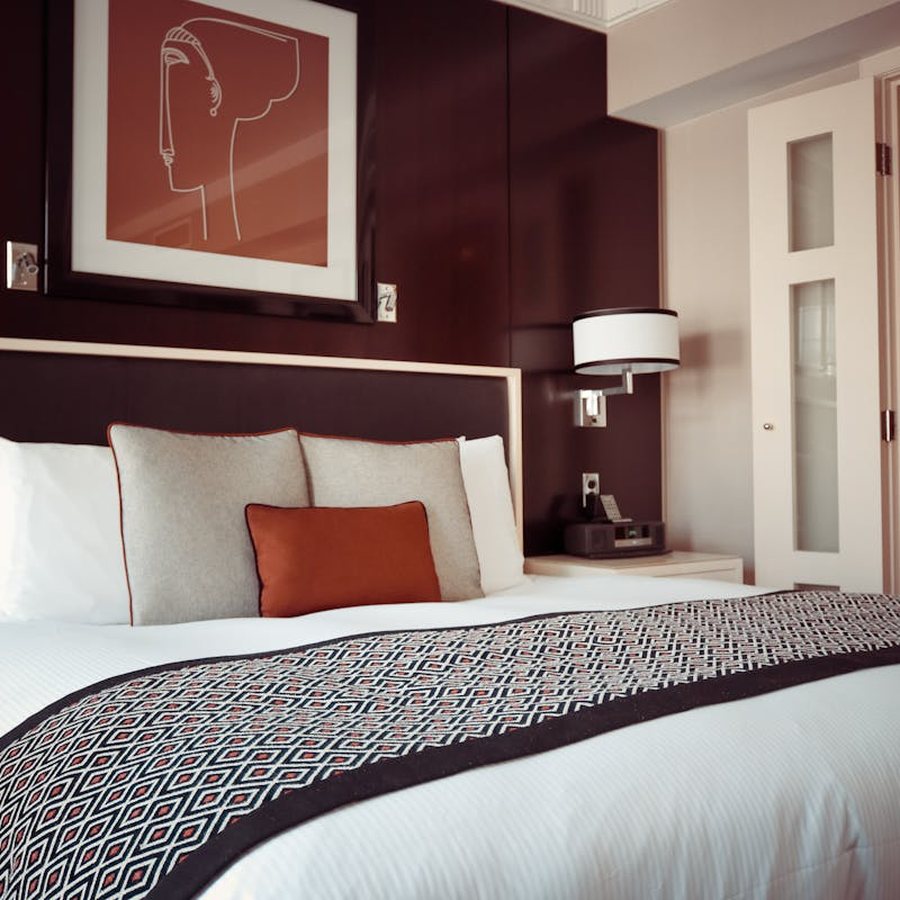
Budget travel has a reputation problem. People picture thin walls, soap that smells like a gym, and front desks that treat requests like personal favors. Then you check into a well-run budget hotel and notice the mattress has real support, the shower pressure is honest, and the lobby smells like coffee instead of carpet cleaner. The rate is still under what your friend paid for a “premium” chain room that faced a parking lot.
The hotels below are not luxury properties wearing a discount mask. They are budget or midscale brands—and a few independents—that consistently deliver experiences travelers describe as premium: sleep quality, design clarity, reliable Wi‑Fi, and staff who sound like they have been trained. If you are optimizing spend without volunteering for misery, start here.
What “premium on a budget” actually means
Premium feel at a lower price usually comes from focus, not marble. Operators that nail the basics often beat expensive hotels that spread budget across a huge footprint.
- Bed-first rooms: Quality mattress, blackout options, and quiet HVAC matter more than a giant desk you will not use.
- Bathrooms that work: Hot water, ventilation, and lighting that makes early flights less painful.
- Design discipline: Fewer materials, used well, beat cluttered “luxury” furniture packs.
- Operational consistency: Check-in speed, mobile keys, and housekeeping that hits the same standard every night.
When a property scores on three of those four, guests forgive smaller gyms and simpler lobbies.

Budget hotels that regularly overdeliver
Chains with premium habits at midscale prices
- CitizenM: Compact rooms with serious beds, intuitive lighting scenes, and lobby social space that feels designed, not decorated. Great for city weekends when location and sleep trump square footage.
- Moxy Hotels: Playful lobbies and efficient rooms with pegboard storage and strong showers. Works for younger travelers and short business trips who want energy without resort fees.
- Hyatt Place / Hyatt House: Separated living and sleeping zones, reliable breakfast, and staff trained to handle business rhythms. Often beats more expensive legacy brands on consistency.
- AC Hotels by Marriott: European-inspired minimalism with tight design standards and bar programs that feel intentional. A sweet spot when you want style without luxury pricing.
- Hampton by Hilton: Not glamorous, but mattress programs, free breakfast, and predictable cleanliness make it a quiet premium experience for families and road trips.
Region-specific picks worth hunting
- Zedwell Hotels (London): Capsule-influenced calm with sleep-focused rooms in central locations—proof that budget can mean rest, not just cheap.
- Nine Hours (Japan): Pod-style efficiency with spa-grade hygiene rituals; premium in discipline, not space.
- Ruby Hotels (Europe): Lean teams, app-forward service, and rooms that punch above rate in Hamburg, Vienna, and other cities.
- Caption by Hyatt (select cities): Social lobby energy with room controls that feel modern; watch for opening rates that undercut older competitors nearby.
- Independent micro-boutiques in Lisbon and Mexico City: Look for recent renovations, soundproof windows, and walkable neighborhoods—the premium is location plus fresh rooms, not a brand logo.
How to spot a budget hotel that will feel premium before you book
Photos lie; patterns do not. Scan recent reviews for the same praise words: quiet, bed, shower, staff. If the top complaints are slow elevators and small gyms, you are probably fine. If they mention mold, street noise, or check-in chaos, keep scrolling.
Map the hotel relative to transit and late-night food. A slightly higher rate on a better block often saves taxi money and stress—another form of premium value. Check whether breakfast is included or honestly priced; surprise $28 buffets erase budget wins fast.
Room category tricks that upgrade the stay
- Book corner or end-of-hall rooms when available: Fewer neighbors, often more light.
- Avoid ground floor facing nightlife streets: Premium sleep dies at 2 a.m. bass.
- Ask about recent renovation floors: A refreshed midscale room can feel newer than an tired luxury tower.
- Use loyalty or member rates: Even one stay can unlock late checkout that changes a travel day.
Where budget hotels beat expensive ones
On one- or two-night city stops, you may only need a great bed and a walkable neighborhood. On road trips, free parking and predictable breakfast beat a fancy atrium. For business travel, reliable Wi‑Fi and 4 a.m. checkout flexibility matter more than a bronze statue in the lobby.
Expensive hotels still win on space, club lounges, and milestone celebrations. Budget-premium hybrids win on efficiency, design focus, and the feeling that someone thought about your actual day—not just your credit limit.
Red flags disguised as deals
Ultra-low rates with mandatory resort fees, paid Wi‑Fi, or unsafe parking are not premium experiences—they are accounting tricks. Be wary of “boutique” labels on properties that have not renovated in a decade. Skip bookings where every positive review sounds identical; look for specific details instead.
Build your own shortlist
Pick two reliable chains you like regionally, then one independent wild card per trip type. Test them on a low-stakes weekend before trusting them for a high-stakes itinerary. The best budget hotels earn repeat business because they remove small annoyances at scale—clean air, hot water, clear billing, and staff who answer the phone like they mean it.
Premium travel is not only for luxury rates. Sometimes it is a $120 room with a $400 mattress and a front desk that gets your 6 a.m. taxi without drama. Save the splurge for the destination—or for the one night that truly needs it—and let smart budget hotels carry the rest of the trip with surprising grace.
Pairing budget-premium hotels with your trip type
For conference travel, prioritize desk lighting, elevator speed at peak hours, and a gym that opens before keynote stress begins. For leisure city breaks, bias toward neighborhoods where you can walk to dinner even when you are tired. For family trips, confirm crib policies, extra towel speed, and whether the property routes school groups through your floor on weekends.
Keep a simple comparison sheet: nightly rate, taxes and fees, breakfast value, estimated taxi savings from location, and one quality signal from recent reviews. The winning hotel is often $18 more per night but $40 cheaper per day once you stop paying for friction. That is the premium experience budget travelers are actually hunting—not a chandelier, but fewer small defeats.