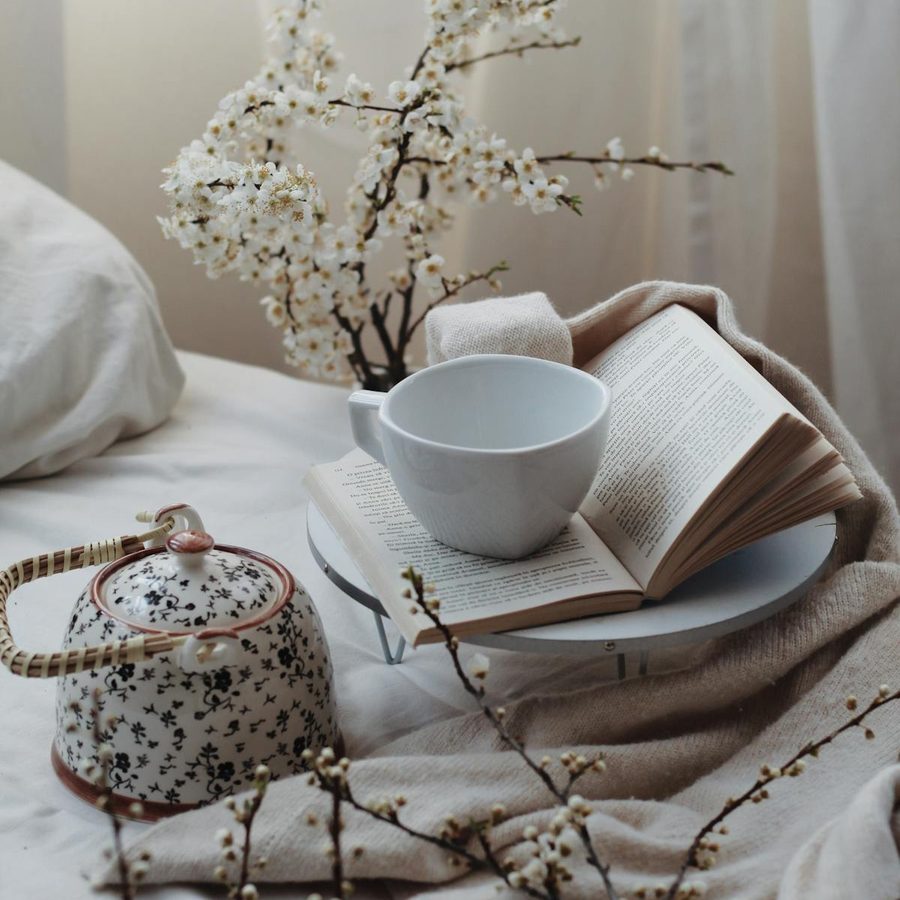
Welcome experiences are not lobby champagne photos unless the guest actually wanted champagne at 11 p.m. after a nine-hour flight. Hotel welcome experiences that leave lasting impressions reduce uncertainty first and delight second: where to enter, how keys work, what smells and sounds signal safety, and whether someone competent is accountable tonight. Memory forms when stress drops—not when confetti falls.
This guide breaks down welcome design guests remember, mistakes properties repeat, and how to request welcomes that match your trip instead of a generic script.
Arrival: the first real welcome moment
Lasting welcomes start before the door: pre-arrival texts with entrance pins, parking truth, and check-in windows. Curbside recognition without shouting your loyalty tier across the porte-cochère. Luggage tagged and room-ready texts when early arrivals happen.
- Orientation: Elevator banks, breakfast location, gym hours—spoken once, clearly.
- Mobile key readiness or express desk lanes that respect tired guests.
- Quiet confidence from staff who read notes before speaking.
In-room welcomes that function, not only photograph
Notes that reference your purpose—conference name, anniversary, dietary need—beat generic “valued guest” cards. Temperature pre-set to sane range. Water placed reachable from bed. Local snacks that reflect place, not only imported chocolate.
Turndown as welcome on night one matters for eastbound red-eyes: soft lighting scene, curtains closed, tomorrow’s weather or transit note if storms threaten.
Sensory design: scent, sound, and light
Over-perfumed lobbies trigger headaches; subtle neutral scent or none wins. Music volume low enough for conversation. Lighting warm at arrival counters—fluorescent interrogation vibes kill luxury instantly.
Room welcomes include blackout that works, HVAC that does not roar on entry, and kettles that are clean if tea is a brand promise.
Cultural rituals done with explanation
Tea ceremonies, welcome drinks, lei greetings, or cold towels in hot climates work when staff explain meaning briefly and offer opt-out without offense. Forced lengthy rituals at midnight are anti-welcome.
Personalization tiers that scale
Luxury properties assign guest preferences to teams—pillow type, minibar stripped, newspaper choice. Midscale hotels can still personalize with CRM notes: high floor, away from ice, hypoallergenic bedding confirmed in writing.
Loyalty tiers should trigger automatic welcomes—water, late checkout communicated, club access explained—without guests performing status at the desk.
Welcome failures guests remember negatively
- Upsell pitches before hydration
- Wrong room type after long flights
- Minibar sensors and fee surprises at entry
- “Celebration” amenities that ignore grief or medical travel
- Staff reading your name wrong after loyalty years
How to engineer your own welcome
Email consolidated preferences one week out. Ask for quiet wing, crib, hypoallergenic, early bag storage. Request no scent in room if sensitive. Book direct so notes attach. On arrival, confirm three facts: Wi‑Fi path, breakfast hours, duty manager name if complex week ahead.
Properties known for welcome craft
Brands like Mandarin Oriental, Four Seasons, Oberoi, and select Rosewood properties earn repeat guests through welcome choreography—verify individual hotel reviews. Boutique owner-operated hotels often win with handwritten notes and local maps marked by humans, not PDFs.
The bottom line
Hotel welcome experiences that leave lasting impressions respect time, biology, and context before they chase spectacle. The stays you recommend start with calm arrival and competent hosts—not only lobby height. Ask for welcomes that help you sleep and navigate; skip properties that welcome you with performance and paperwork.