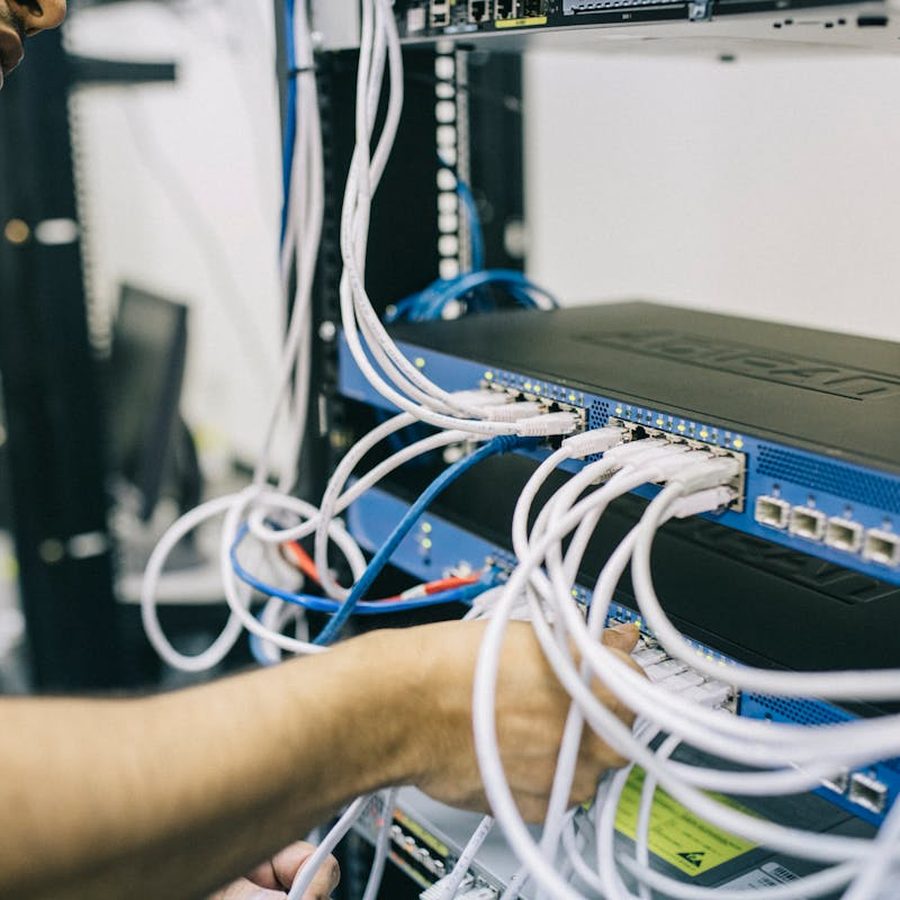
Smart room technology changing modern hotels is not a Jetsons fantasy—it is already in your pocket: keys that live on your phone, curtains that close from an app, thermostats that fight you less, and chat threads that replace holding a plastic phone to your ear for extra towels. The best implementations shorten friction. The worst add four remotes, a mandatory download, and a tablet that glows all night asking you to rate housekeeping you have not received yet.
Here is what is deploying now, what guests actually benefit from, and how to use smart rooms without surrendering privacy or sleep.
Core smart room layers
- Mobile keys and digital check-in: Skip lines when systems work; backup physical keys still required.
- In-room controls: Lighting scenes, HVAC, blinds via wall panels, apps, or voice.
- Service requests: Chat, TV apps, or QR codes to housekeeping and engineering with ticket tracking.
- Entertainment casting: Stream your content without sketchy HDMI cables.
- Energy management: Occupancy sensors adjusting climate—guest-facing when transparent.
Integration matters more than gadget count—one interface beats five competing apps.
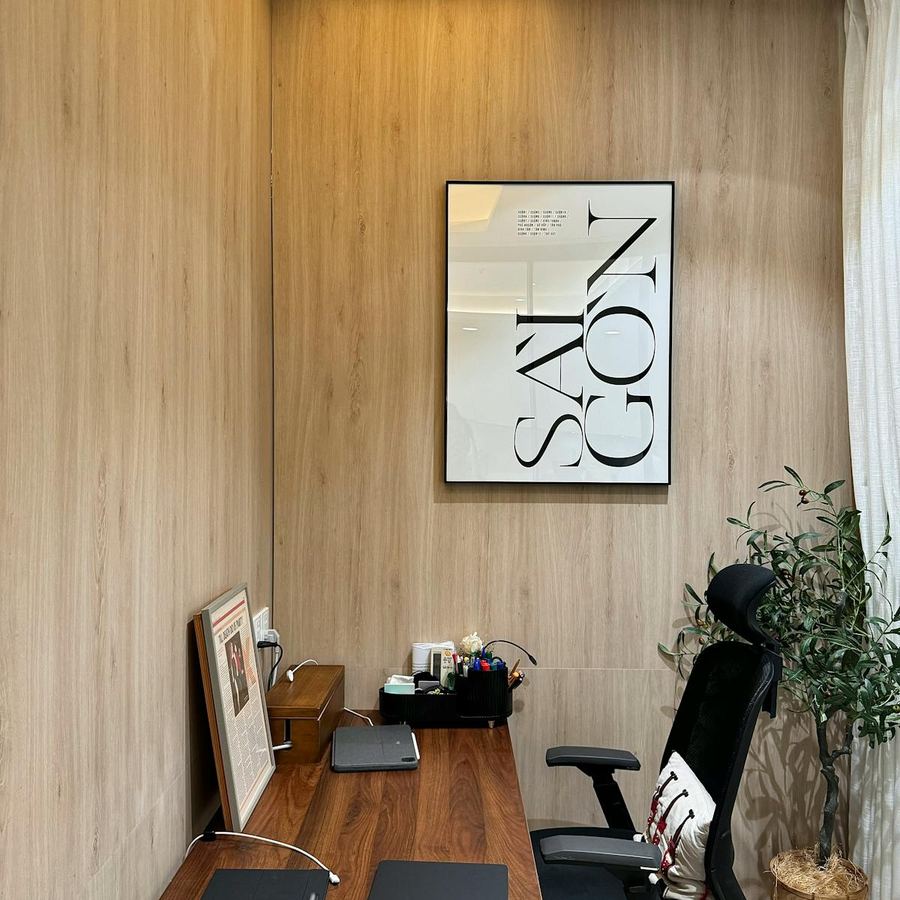
What guests genuinely gain
Speed: Towels, maintenance, and late checkout requests logged with timestamps. Accessibility: Text-first control helps guests who prefer not to call. Personalization: Profiles that remember lighting and temperature baselines. Contactless paths: Still valued post-pandemic for busy urban arrivals.
Business travelers gain when bandwidth is published, casting works, and desks face outlets—not when voice assistants misinterpret “dim lights” at midnight.
Where smart rooms fail
- Over-automation: Lights snapping off while you are in the shower because sensors cheap out.
- Privacy fog: Always-on mics without mute; unclear data retention policies.
- Battery drain: Apps that must stay open for keys.
- No human escape hatch when bots loop.
- Maintenance debt: Half the tablets dead, HVAC UI frozen, blinds stuck “smart” open at sunrise.
Voice assistants and IoT: guest checklist
Mute or unplug voice devices if uneasy. Ask front desk how data is used. Prefer properties with physical overrides for blinds and temperature. Screenshot chat confirmations for late checkout and requests.
Brands and tiers leading deployment
Chains across Marriott, Hilton, Hyatt, Accor, and independents pilot smart rooms unevenly—flagship cities first. Lifestyle brands market “tech-forward” rooms; verify recent guest reviews for “app glitch” and “key failed.” Luxury properties sometimes hide tech for calm aesthetics while automating backstage.
Staff training must evolve with tech
Housekeeping needs ticket apps. Engineers need IoT diagnostics. Front desk must reboot systems without blaming guests. Smart rooms fail operationally when only the IT vendor understands the stack.
Sustainability angle
Smart climate can cut energy when guests are out—good if comfort returns instantly on arrival. Bad implementations sweat guests in summer to save pennies—reviews will torch you.
What to expect next
More biometric optional check-in, tighter PMS-chat integration, and regulation on AI disclosure in guest messaging. Rooms may standardize USB-C at desks and wireless charging without minibar theatrics. Expect fewer gimmick robots, more reliable keys and Wi‑Fi—hopefully.
The bottom line
Smart room technology changing modern hotels should be judged like any service: does it respect time and sleep? Book properties where tech shortens waits and documents promises, with humans accountable when systems fail. Skip rooms where “smart” means you work for the hotel’s IT department after midnight.