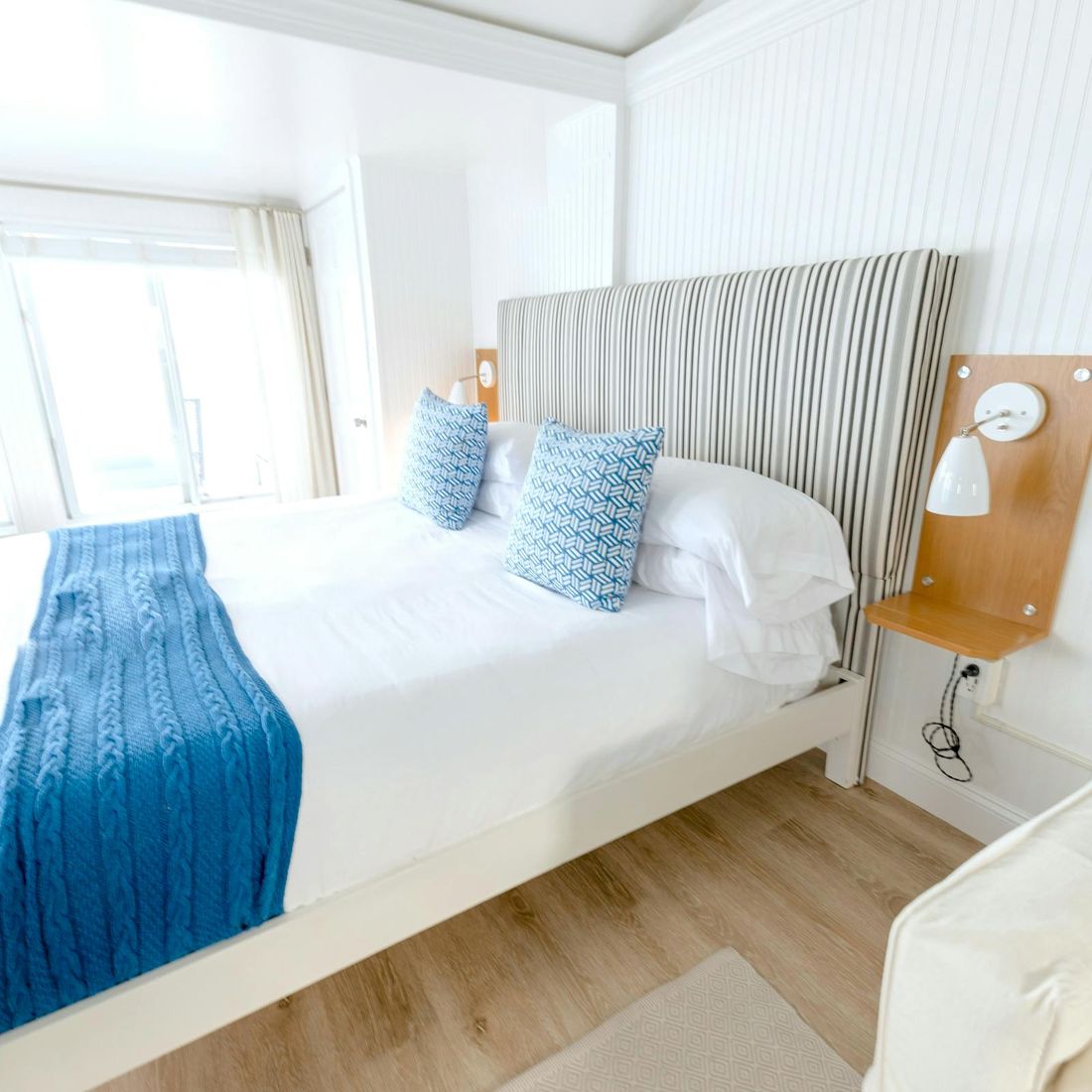
The best minimalist hotels do not feel empty. They feel edited. You walk in, exhale, and notice how the lobby sound drops—not because someone installed a gimmick, but because the materials absorb noise and the layout removes visual clutter. If you travel for design the way others travel for wine regions, you are not chasing beige boxes. You want hotels where architecture, light, and furniture choices tell a coherent story.
Minimalism in hospitality is harder than it looks. Strip too much away and guests feel punished. Keep the wrong details and the property reads as a budget chain with better marketing photos. The hotels below are worth planning around because their restraint is intentional: warm woods instead of cold sterility, local craft instead of anonymous catalog pieces, and room layouts that make unpacking feel calm rather than chaotic.
What separates a true minimalist hotel from a plain one
Start with three tests you can apply from photos and reviews before you book.
- Material honesty: Stone, plaster, timber, and linen should look like themselves—not faux finishes trying to imitate something pricier.
- Light control: Good minimalist hotels design for morning, afternoon, and evening light instead of relying on one bright overhead fixture.
- Functional emptiness: Surfaces stay clear because storage is smart, not because housekeeping hides your belongings.
When those three hold, minimalism reads as luxury of attention rather than absence of stuff.
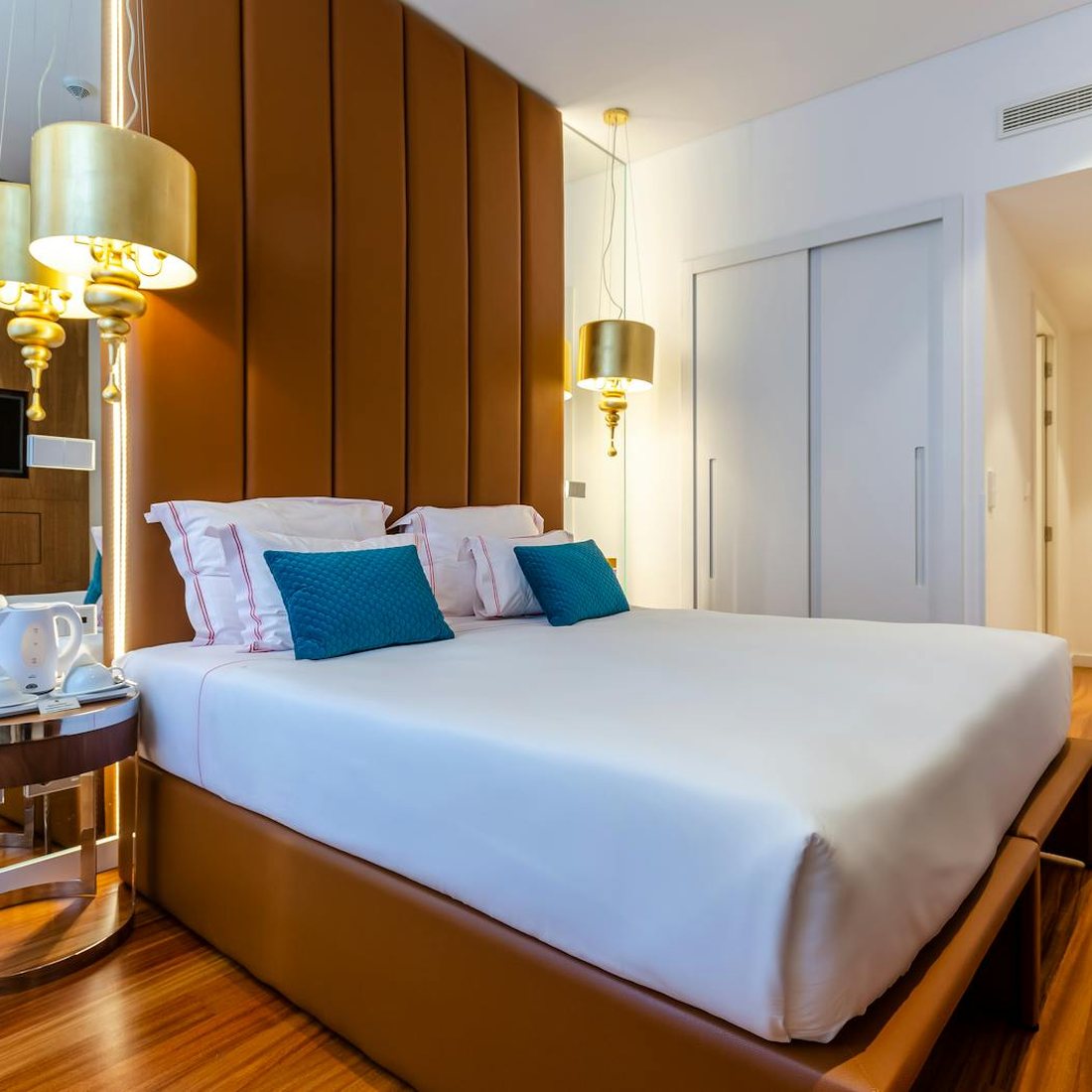
Beautiful minimalist hotels worth the trip
Asia-Pacific: quiet geometry in dense cities
- Aman Tokyo: Vertical calm in Otemachi with washi textures, deep soaking tubs, and views that frame the city like a living artwork. The design language is Japanese restraint without museum coldness.
- Park Hyatt Tokyo: Shinjuku height with understated luxury—clean lines, generous negative space, and interiors that let the skyline do the dramatic work.
- The Tokyo Edition, Toranomon: Ian Schrager energy filtered through Japanese precision. Public spaces feel gallery-like; guest rooms stay soft and low-contrast for sleep.
- Capella Ubud, Bali: Tented suites in the jungle with dark timber, copper baths, and open-air living that keeps nature in frame without rustic clutter.
- Amanoi, Vietnam: Cliff and bay minimalism—stone, water, and long horizontal lines. Ideal when you want spa calm and architectural silence in one stay.
Europe: heritage bones, modern skin
- Ett Hem, Stockholm: A townhouse hotel that feels like a design collector's home—curated art, soft textiles, and rooms that reward slow mornings with coffee instead of lobby rush.
- Sir Victor Hotel, Barcelona: Eixample modernism meets contemporary minimal furniture. Strong for travelers who want walkable city culture and interiors that photograph cleanly without trying too hard.
- Hotel Saint George, Paris: Pigalle energy with disciplined room palettes—good example of how color can be minimal without being boring if texture carries the room.
- Axel Hotel Madrid: Bold public spaces, quieter guest rooms, and a rhythm that suits design lovers who split time between galleries and late dinners.
- Roomers Munich, Autograph Collection: Dark, cinematic minimalism with strong lighting design—worth it when you want a hotel that feels like a mood rather than a template.
Americas and remote escapes: space as the main material
- Amangiri, Utah: Desert modernism where concrete, sky, and rock formations compose the décor. Rooms are quiet frames; the landscape supplies the drama.
- Shou Sugi Ban House, Hamptons: Wellness-forward minimalism with charred wood, neutral linens, and programming that matches the aesthetic—restoration is part of the product.
- Habitas Tulum: Low-impact structures, natural palettes, and social spaces that feel like a design camp for adults who still want comfort.
- Fasano São Paulo: Brazilian modernism with warm minimal tones—excellent when you want a design hotel that still feels rooted in place, not imported style.
- Six Senses Fiji: Island minimalism with strong sustainability storytelling; villas use simple forms so ocean and palm lines stay primary.
How design lovers should book minimalist hotels
Room category matters more in minimalist properties than in ornate ones. A poorly placed window or a tight bathroom layout breaks the whole philosophy. Before you pay, confirm three details with the hotel or a recent guest review.
- View axis: Ask whether your room faces interior courtyard, city grid, water, or garden—the hotel's best minimal moments often depend on what is outside the glass.
- Lighting at night: Look for mentions of dimmable scenes, bedside controls, and whether bathrooms use harsh downlights only.
- Storage reality: Minimal photos hide luggage. Confirm closet depth, drawer count, and valet timing if you unpack for longer stays.
If you are visiting for a design fair or architecture week, book shoulder nights on either side. Minimalist hotels shine when you are not rushing through the lobby at peak check-in chaos.
Packing and photographing without disrupting the vibe
Bring a neutral wardrobe if you plan to shoot interiors—hotels with strong palettes read better when your clothing does not compete. Use early morning light for room photos; many minimalist properties use sheer layers that glow before housekeeping rounds begin. Avoid rearranging furniture for content—staff often reset rooms to precise compositions that are part of the design story.
Common minimalist hotel mistakes travelers make
Do not confuse minimal with micro. Some urban micro-hotels are clever, but they solve space problems—not aesthetic ones. Design lovers should also watch for all-white rooms with poor acoustic insulation; minimal surfaces amplify hallway noise. Another trap is booking the cheapest category at a design flagship: you may get the brand name without the window line, bathtub, or material palette that justified the trip.
Finally, skip properties where minimalism is only visual. If reviews repeatedly mention slow maintenance, scuffed walls, or tired textiles, the concept is cosmetic. True minimalist hotels maintain edges, grout lines, and fabric nap because those details are the experience.
Building a minimalist hotel itinerary
Pair city minimalism with landscape minimalism when you can. A week that moves from Aman Tokyo to Capella Ubud, or from Ett Hem to Amangiri, teaches how different cultures interpret restraint. If you only have one splurge, choose the property whose setting matches the design thesis—vertical calm for business districts, horizontal calm for desert or coast.
For shorter trips, anchor on one hotel and explore neighborhoods on foot. Minimalist hotels often sit near galleries, independent bookstores, and coffee bars that share the same visual discipline. Let the hotel be your filter for how you notice the city.
The bottom line for design-driven travelers
Beautiful minimalist hotels are worth visiting when every subtraction still leaves warmth, function, and a clear point of view. The properties above earn attention because their teams treat negative space as a material—not a cost-cutting trick. You will remember the quality of silence, the way afternoon light moved across a plaster wall, and how a simple room made your suitcase feel temporarily irrelevant.
Save two or three names that match your next trip rhythm—city culture, desert reset, or coastal wellness—then book the room category with the best view axis you can afford. Minimalism rewards patience: arrive early, move slowly through the lobby, and let the hotel teach you how little you need for a stay to feel complete.