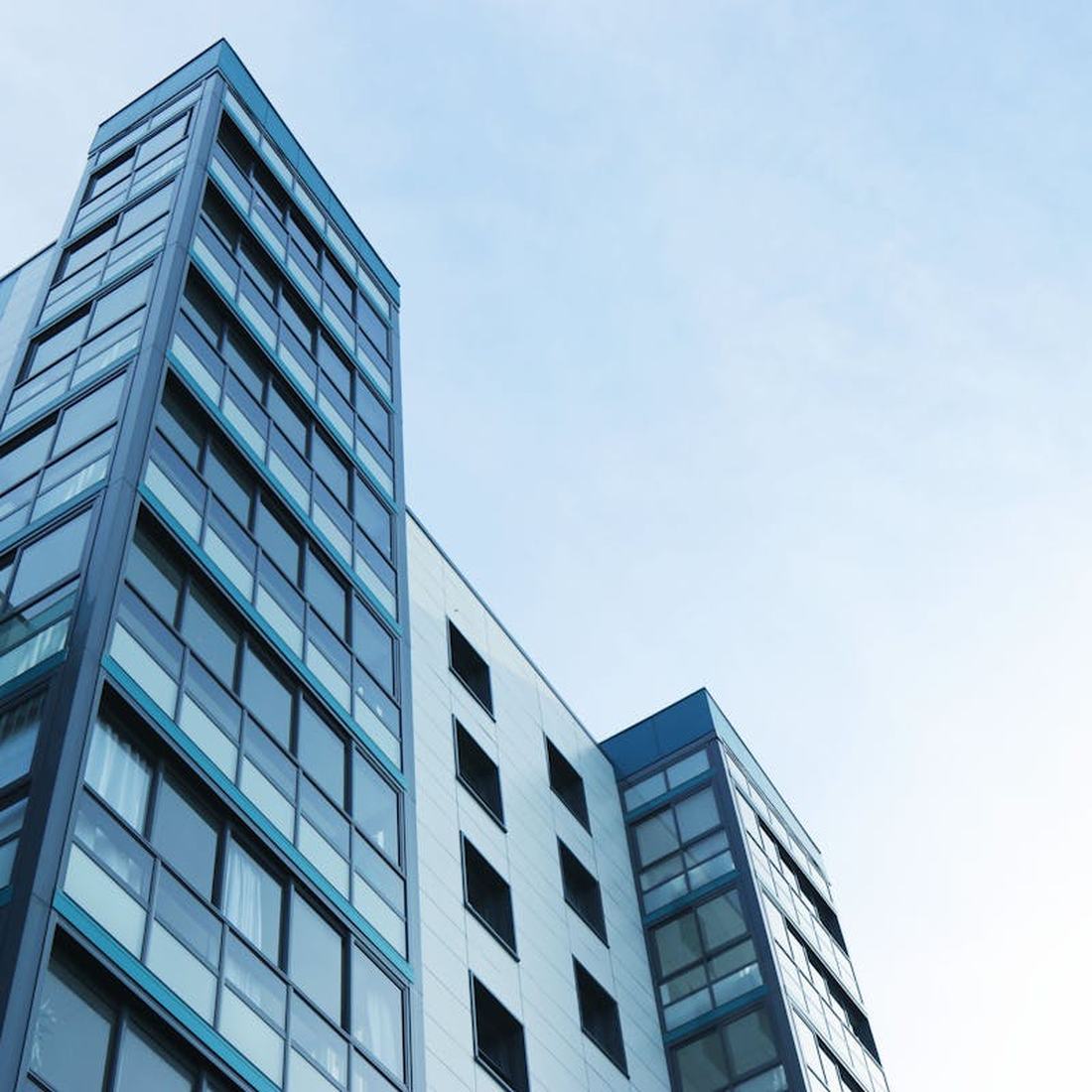
Some boutique hotels are wallpapered trends. Others are architectural arguments you sleep inside. When structure leads—cantilevered volumes, courtyard light wells, adaptive reuse of a power station or monastery—guests forgive smaller gyms because they came to inhabit a building story.
Modern boutique architecture works when interiors obey the shell instead of fighting it. Exposed concrete, honest steel, or filigree historic bones each demand different furniture languages. The hotels below are worth detours because architects and operators collaborated early—not because a stylist arrived with poufs after construction finished.
What makes boutique architecture “incredible” instead of loud
- Idea clarity: One strong concept—courtyard, tower, bridge, ruin—carried through rooms and public space.
- Proportion: Windows, ceilings, and corridors scaled to human comfort, not only drone shots.
- Material integrity: Fewer finishes maintained well beat many finishes aging badly.
- Context respect: The building converses with street grid, coastline, or industrial heritage.
Loud facades without interior follow-through are billboards, not architecture hotels.
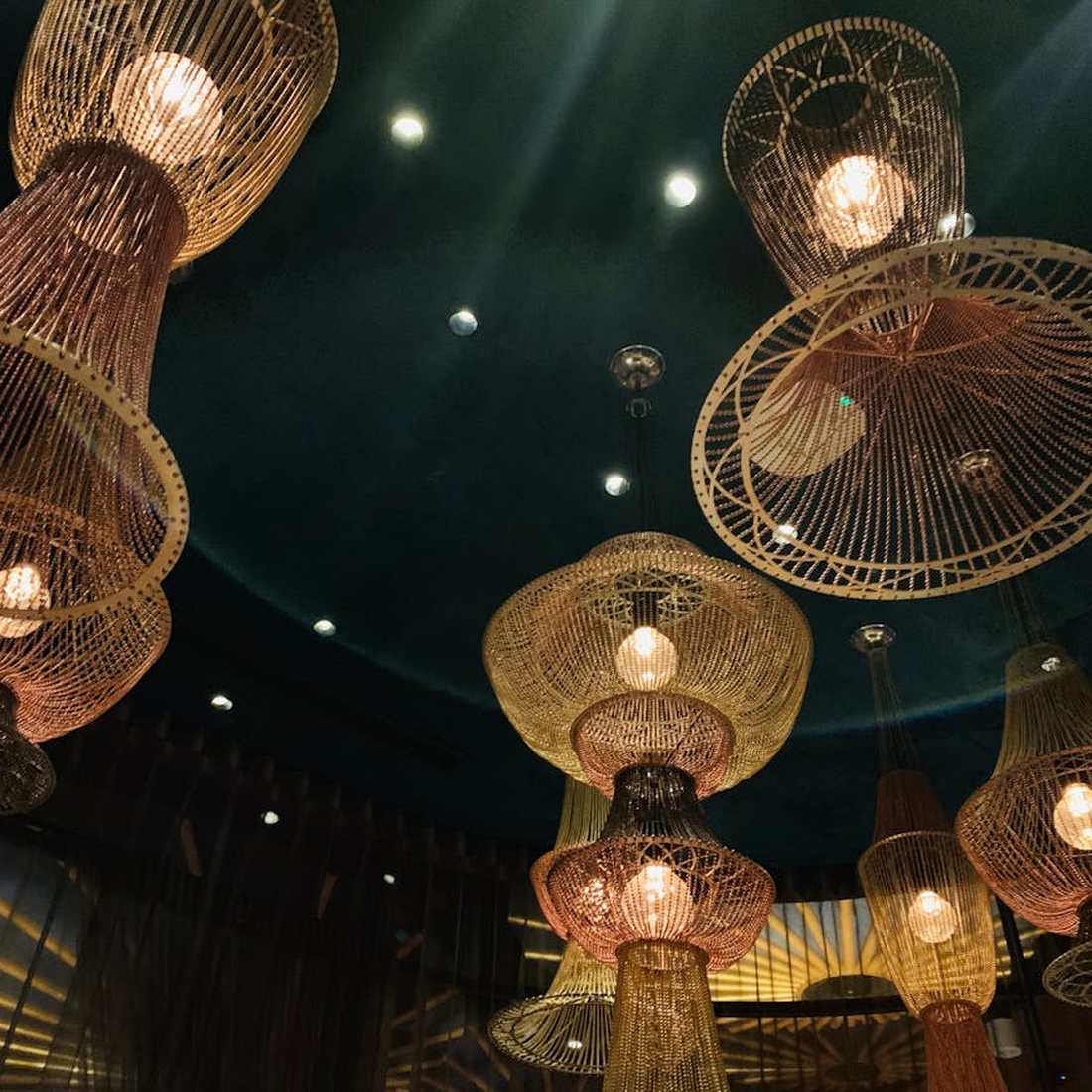
Modern boutique hotels where the building is the star
- The Silo Hotel, Cape Town: Heatherwick’s grain-elevator transformation—vaulted rooms inside industrial heritage with harbor frames.
- Elbphilharmonie-adjacent stays, Hamburg: Waterfront modernism cluster—book properties with river-view rooms to live inside the city’s rebuilt maritime narrative.
- Conversas / design-forward inns in Porto and Lisbon: Tile, plaster, and narrow plots turned into light wells—study how vertical circulation replaces wide lobbies.
- Morukuru Ocean House (architecture-meets-wilderness): Contemporary lodges where glass planes dissolve into dune or bush lines without macho posturing.
- Desert boutique cubes in Joshua Tree corridor: Small-footprint structures experimenting with off-grid form—verify current operators, but the typology shows modern desert minimalism.
- Treehotel (Sweden): Cabins as architectural prototypes—mirror cube, bird’s nest, UFO—hospitality as design exhibition.
- Equatoria Lodge-adjacent modern treehouses (regional variants): Use as a category reminder: elevated structures can be boutique architecture without urban context.
Adaptive reuse: the boutique architecture sweet spot
Old banks, factories, and schools become hotels because volume and patina already exist. The best projects keep scars—brick arches, steel trusses, chalkboards—while upgrading acoustics and baths. Weaker projects gut everything until the building could be any city anywhere.
Ask whether renovation photos match today’s maintenance. Architecture fans notice when sealants fail or steel rusts beyond intentional patina.
How to book architecturally serious rooms
- Request feature categories: Corner glass, mezzanine lofts, or courtyard-facing balconies often hold the design payoff.
- Avoid basement discounts: Boutique architecture hotels punish rooms with no view or clipped ceilings.
- Take the architecture tour: Some properties offer staff-led walks—worth an hour before you judge from the bed alone.
City vs landscape modern boutiques
Urban properties win on facade dialogue and rooftop bars with skyline geometry. Landscape properties win on elevated decks, pool edges that mimic horizon lines, and wind-aware outdoor lounges. Pack accordingly: city trips need walkable dinner plans; landscape trips need weather layers and earlier golden-hour scheduling.
When architecture hotels disappoint
Thin sound insulation between dramatic volumes, restaurants that feel leased-in, and maintenance deferred on signature staircases erode magic fast. Read recent reviews mentioning noise and elevator reliability in converted industrial buildings—those are structural truths, not mood killers only for sensitive guests.
Interior moves that honor architectural shells
Great boutique teams repeat exterior geometry inside—arches in door heads, ceiling heights that match facade rhythm, and furniture heights that do not fight window sills. In concrete-forward hotels, upholstery goes soft and warm; in historic stone buildings, metals stay matte and lighting stays warm. Rooftop bars succeed when wind studies inform glass screens and heating lamps—architecture extends to microclimate comfort.
Staircases are often the hero shot—hotels that rope them off except for photos frustrate guests. Properties that let you walk them during quiet hours build loyalty with architecture fans who came specifically to feel elevation change.
Working with architects as a guest
Some boutiques publish architect essays in in-room folios—read them. Ask concierges about construction phases; adaptive reuse stories explain odd room shapes you might otherwise dislike. If you are remodeling your own home, sketch three lessons: one about light, one about circulation, one about material transition between old and new.
Itineraries for architecture-focused weekends
Day one: arrive, self-guided lobby and facade study, sunset rooftop. Day two: neighborhood walking tour comparing surrounding buildings, afternoon spa or pool if the section is architecturally integrated. Day three: morning room light study, checkout, one external viewpoint for context photos. Avoid over-scheduling meals away from the property on the first night—the building is the opening act.
Photography and social content without damaging the story
Architectural hotels increasingly manage drone policies and tripod rules to protect guest privacy and structural sightlines. Shoot wide in lobbies only when staff confirm it is welcome; some properties restrict gear during peak check-in. Use exterior golden hour for facade geometry; interiors often read best with vertical compositions that show ceiling height and stair rhythm.
If you post online, tag the architect or studio when the hotel publishes credits—goodwill keeps access open for future guests. Avoid staging furniture moves that housekeeping must undo at night; the design narrative depends on precise placement.
Accessibility, elevators, and historic constraints
Adaptive reuse projects sometimes hide elevators behind sculptural cores—beautiful until you wait seven minutes at peak checkout. Ask about lift reliability and service routes if mobility matters. Historic protections may limit balcony additions; rooms under eaves can feel intimate but low—verify ceiling heights in older wings before booking.
Fire stairs in industrial conversions occasionally become signature design moments; confirm they remain functional and signed clearly for safety, not only for photos.
Bring a small notebook: sketching facade proportions for ten minutes often teaches more than a hundred quick phone snaps.
The bottom line
Modern boutique hotels with incredible architecture earn loyalty from guests who travel to see how ideas survive real occupancy. Choose clarity over spectacle, maintenance over press releases, and room categories that keep you inside the concept—not adjacent to it. You will leave with photos, yes—but also with a clearer sense of how space can feel authored.