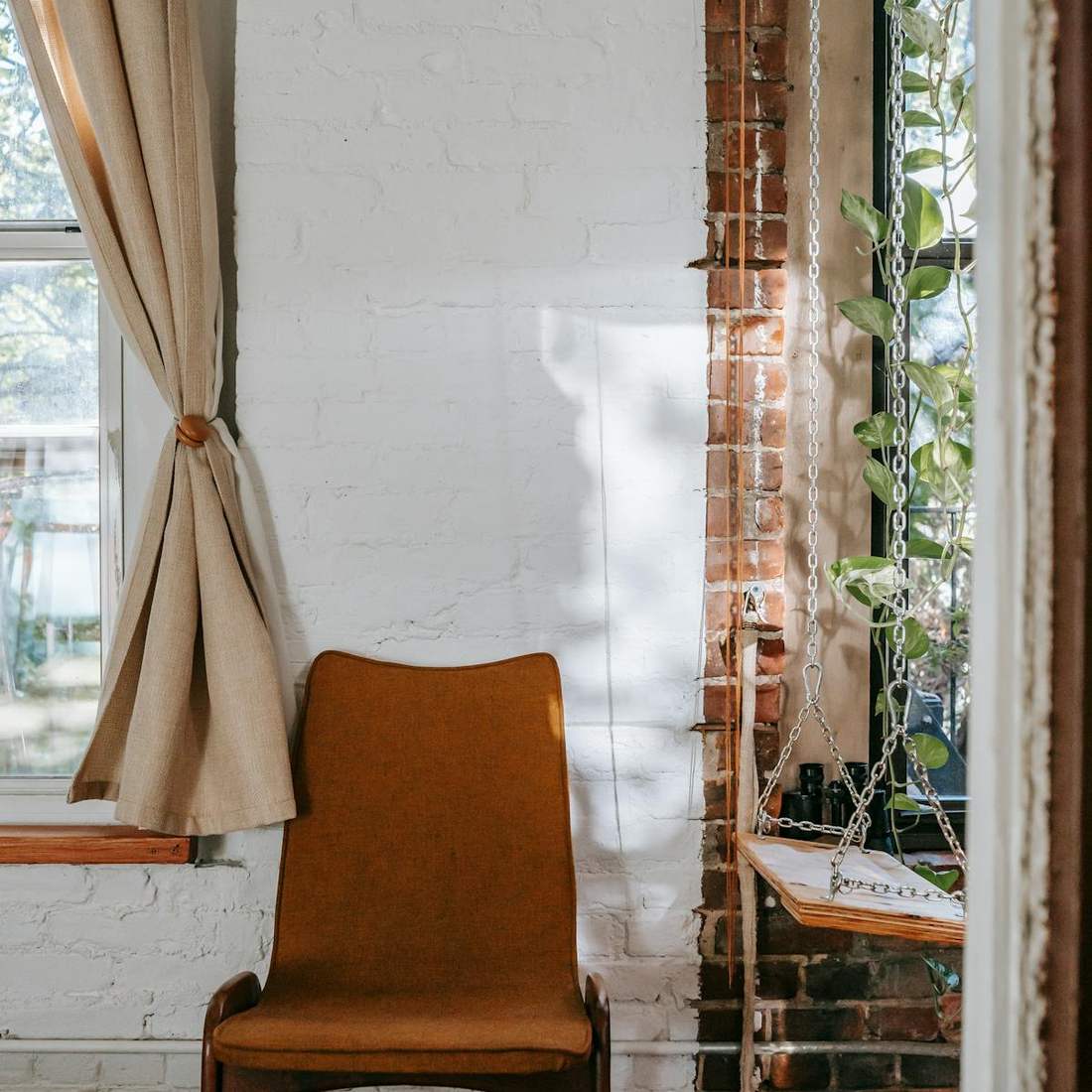
Japandi is not just another Pinterest portmanteau. In hotels, it is a response to guest fatigue—too much loud pattern, too much faux luxury, too many rooms that photograph like spas but feel like furniture showrooms at midnight. The blend of Japanese restraint and Scandinavian warmth gives designers a disciplined palette that still feels human.
Hospitality brands adopted Japandi faster than residential builders because it scales cleanly: neutral bases, honest timber, linen textures, and lighting that flatters without drama. When done well, guests describe rooms as calm without cold. When done poorly, you get beige minimalism with cheap wood veneer. The rise is real; the execution separates memorable stays from trend-chasing décor.
What Japandi means inside a hotel room
Japandi sits at the intersection of ma—negative space as a design material—and Scandinavian hygge through tactile warmth. In practice, hotels express it through:
- Low-contrast color fields with one accent, often clay, charcoal, or muted green.
- Visible wood grain on furniture and slats, usually oak or ash tones rather than high-gloss walnut.
- Handcraft signals: ceramic lamps, woven accents, paper textures, stoneware accessories.
- Light control: Sheer day layers plus blackout night layers, dimmable scenes, and bathroom mirrors that respect skin tones.
The style rewards properties that invest in maintenance—Japandi shows scratches and sloppy housekeeping faster than maximalist rooms hide them.

Why hotels are adopting Japandi now
Three forces pushed the trend from boutique experiment to mainstream pipeline.
Wellness language matured. Guests book sleep and decompression, not just thread count. Japandi rooms support that promise with lower visual noise and materials that age gracefully on camera and in person.
Social media changed the brief. Designers need rooms that look cohesive in a three-second scroll without garish props. Japandi backdrops make food, fashion, and landscape content pop—hotels benefit indirectly.
Supply chains caught up. OEM furniture lines now ship Japandi-ready collections at midscale price points, letting brands refresh older stock without full architectural commissions.
Hotels and brands expressing Japandi well
- Aman Tokyo: Japanese DNA with international polish—ofuro rituals, washi, and timber lines that feel architectural, not decorative.
- Oku Hotels (Europe): Mountain and city properties with craft-forward minimalism and strong food identity aligned to the aesthetic.
- Hoshinoya retreats: Traditional Japanese spatial logic modernized for international guests—study how circulation calms before you notice furniture.
- 1 Hotels (select rooms): Eco-minimal cousins—rougher textures, but shared emphasis on natural materials and quiet palettes.
- Independent Nordic-Japanese hybrids in Copenhagen and Osaka: Watch for small properties pairing local ceramics with simple platform beds and excellent breakfast ceramics programs.
How to spot authentic Japandi vs marketing paste
Authentic properties choose fewer materials and maintain them well. Marketing paste stacks buzzwords on gray rooms with one bamboo tray. Read reviews for sleep, lighting, and texture quality. If guests only mention Instagram, the hotel bought a filter, not a philosophy.
Walk the bathroom: Japandi should feel spa-adjacent through water pressure, ventilation, and simple vessel sinks—not through a single eucalyptus candle.
Questions for designers and guests
- Are woods real and repairable? Veneer bubbles kill the craft story.
- Is there warm dimming at night? Cool-only LED strips undo the hygge half.
- Does housekeeping reset textures? Linen nap and wood oil matter.
What Japandi changes in public spaces
Lobbies shrink visual noise: fewer competing patterns, more intentional seating clusters, and retail displays that look curated rather than cluttered. Restaurants lean on ceramic tableware, natural wine lists, and open kitchens with wood accents instead of brass and marble overload.
Spas under Japandi influence favor thermal contrast, quiet waiting areas, and materials that stay pleasant barefoot—stone, wood, cotton—not glossy tiles that echo every whisper.
Will Japandi date itself?
Every style cycles. Japandi has better odds than glitter maximalism because it aligns with wellness and sustainability narratives hotels already sell. The version that will age poorly is thin: all-gray boxes with mass-produced “zen” accessories. The version that will last treats craft, light, and maintenance as non-negotiable.
Experiencing Japandi as a traveler
Book at least two nights. Night one you notice the palette; night two you notice sleep quality and how the room sounds. Bring less luggage visually—busy suitcases clash with the calm. If you work from the room, sit facing natural light; Japandi desks are often shallow but well placed.
Japandi beyond the bedroom: restaurants, spas, and corridors
The aesthetic fails when only guest rooms change while the restaurant still shouts brass and marble. Coherent Japandi hotels extend timber tones into dining chairs, use ceramic tableware with matte glazes, and plate food with negative space on the plate—visual calm continues at the table. Spas favor hinoki or cedar notes, stone benches, and uniforms in oatmeal or charcoal rather than clinical white coats.
Corridors in strong examples use indirect cove lighting and numbered plaques with brushed metal or burned wood—no shouting signage. Housekeeping carts are tucked behind screened niches so the guest never sees operational clutter breaking the spell.
Regional hybrids worth comparing
Compare Nordic properties where blond wood dominates against Japanese properties where darker stains and shoji-like screens appear. Portugal and Brazil now produce Japandi-influenced boutiques with local stone and terra-cotta warming the palette—proof the style travels when materials stay honest. Visiting two regions back-to-back teaches you which temperature of neutral fits your own climate at home.
Maintenance: the unglamorous half of Japandi
Wood oil schedules, linen replacement cycles, and plant care in lobbies all affect whether the style reads premium. Guests forgive a scratch on heritage oak; they do not forgive cloudy glass shower doors. If you adopt Japandi at home, budget time for wood care and quality laundry detergent that keeps linen crisp—hotels succeed because operations respect the aesthetic daily.
The bottom line
The rise of Japandi-inspired hotel design is less about trend chasing and more about guests demanding rooms that restore attention. Properties that invest in material honesty, layered light, and housekeeping discipline will keep winning even when the label fades from marketing decks. Stay somewhere that feels warm at 10 p.m., not just photogenic at 10 a.m.—that is Japandi working as intended.