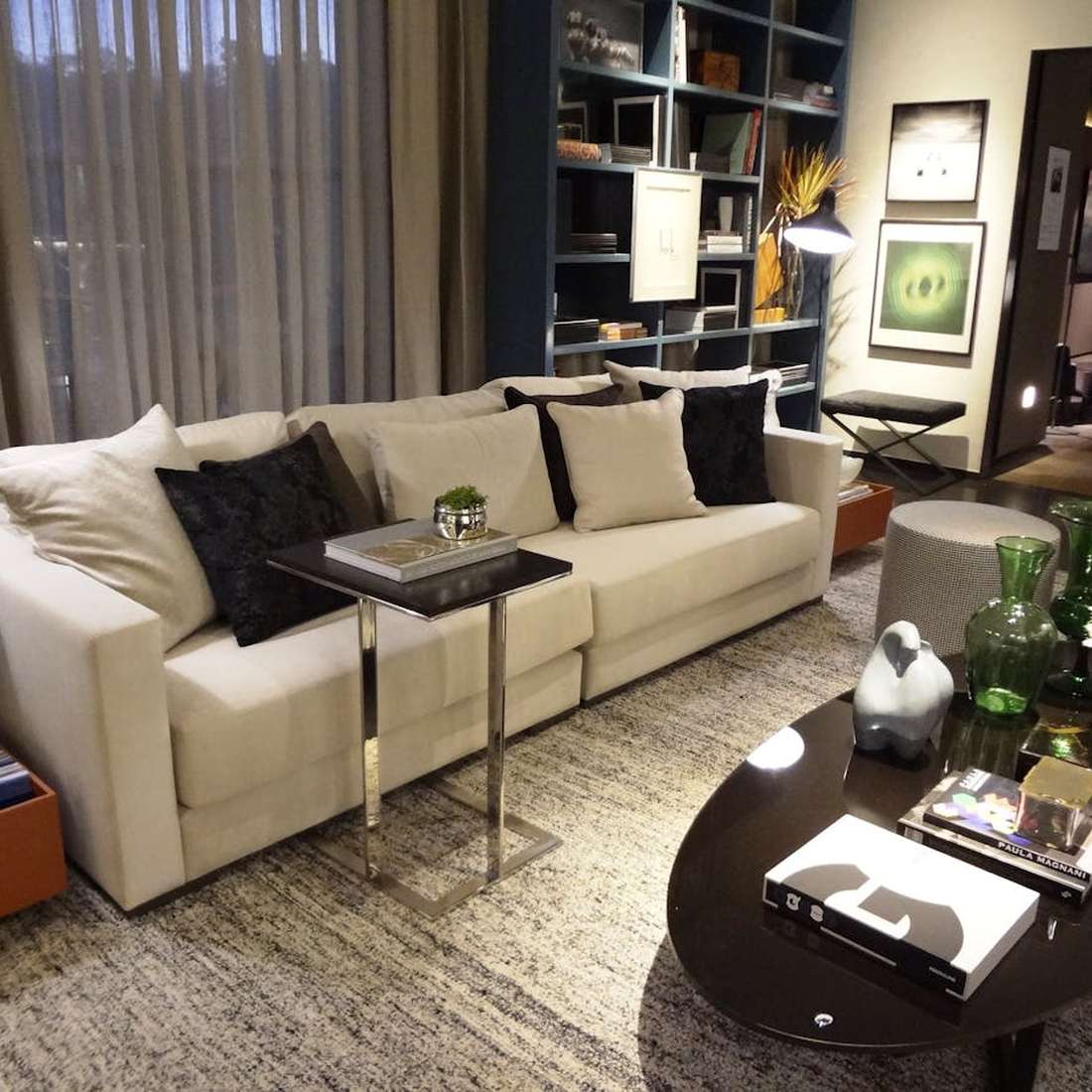
You do not need a renovation budget the size of a hotel capex to steal good ideas from hospitality design. The rooms that stick with you after checkout usually win on a handful of repeatable moves: light that flatters at night, surfaces that look better with less on them, and furniture spacing that makes a medium bedroom feel intentional instead of cramped.
Hotels test those moves every night with real guests, real luggage, and real wear. That is why design-led properties are a practical textbook for home interiors—not because you should copy lobby scale, but because you can translate the logic behind what worked on your stay.
What hotel designers optimize that homes often skip
Residential projects often prioritize ownership forever. Hotels prioritize first impression, sleep, and maintenance. The overlap is where the copyable gold lives.
- Layered lighting: Ambient, task, and accent sources you can dim independently.
- Touchable material contrast: Matte plaster against oiled wood, linen against stone—texture does the decorating.
- Clear circulation: Paths from bed to bath to closet without squeezing past chair legs.
- Hidden function: Outlets where you actually charge phones; hooks where wet towels belong.
When a hotel nails those four, you remember the room even if you cannot name the brand.
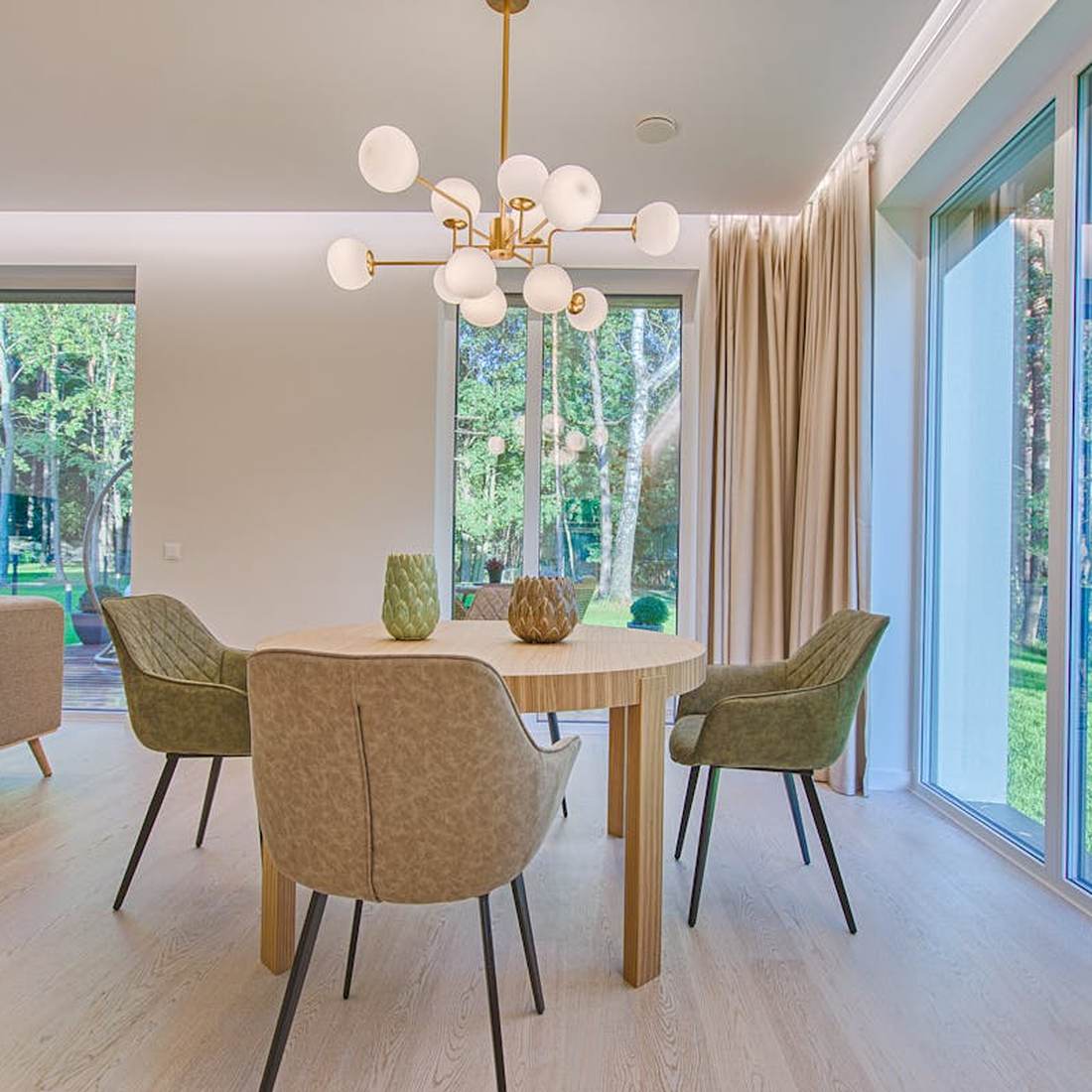
Hotel interior moves worth copying at home
Lighting scenes, not single switches
Strong hotel rooms rarely rely on one ceiling fixture. They give you a low glow for arrival, brighter task light at the desk or vanity, and a soft bedside option that does not blind your partner. At home, add dimmers to overhead circuits and pair them with plug-in sconces or slim floor lamps on a smart plug. Three presets—day, evening, read—beat one perfect chandelier.
Headboard walls that anchor the room
Many design hotels treat the wall behind the bed as a feature: upholstered panels, limewash, vertical wood slats, or oversized art scaled to sleep height. In apartments, a full-width headboard panel or a single large textile can do the same job without repainting the whole room. Keep side tables visually light so the feature wall stays dominant.
Bathroom as a secondary living space
Hotels that feel premium often enlarge the shower experience—rain heads, bench niches, and ventilation that actually dries the room. At home, upgrade shower hardware before chasing a double vanity you rarely use. Add a mirror with integrated front light at face height; it flatters skin tones the way good hotel vanities do.
Built-in thinking without built-in cost
Hotels love integrated storage because housekeeping needs speed. You can mimic the effect with a shallow wardrobe system, drawer organizers, and a bench that opens for linen. The goal is visible calm: if surfaces stay clear because everything has a bin, you copied the hotel trick successfully.
Properties to study before your next home refresh
- Ett Hem, Stockholm: Residential furniture in guest rooms—note rug layering and how lamps are placed for conversation, not TV glare.
- Ace Hotel (select cities): Industrial warmth—brick, steel, and wood combinations that still feel cozy through textiles.
- CitizenM: Small-room mastery—peg rails, under-bed storage, and color discipline that keeps tight spaces readable.
- Park Hyatt Tokyo: Quiet luxury through low-contrast palettes and impeccable joinery lines.
- Habitas Tulum: Indoor-outdoor continuity—materials that weather gracefully and blur boundary lines.
What not to copy blindly
Skip copying dark hallways, commercial carpet patterns, and over-scaled lobby furniture in a studio flat. Skip black-out levels that require engineering unless you work nights—most homes benefit from sheer plus drape instead of total cave mode. Also avoid gimmick lighting that looks cinematic on Instagram but renders skin tones green at the mirror.
Hotel art is often licensed for scale you cannot afford. Translate the idea—one large piece or a triptych at bed height—rather than the exact canvas.
A weekend audit you can do after your next stay
Photograph (discreetly) only the elements you would reuse: switch locations, curtain stack depth, outlet height, nightstand clearance, and bathroom hardware models. Note materials by touch, not brand names—hotels rarely reveal sourcing, but you can identify finishes.
At home, test one scene per week: Monday install dimmers, Wednesday add a headboard feature, Friday reorganize a closet with hotel-style bins. Small sequential changes beat a single expensive mistake inspired by a suite you stayed in for two nights.
Budget tiers for hotel-inspired upgrades
Under $300: Dimmers, bulbs with better CRI, coordinated bedding layers, and mirror lighting. $300–$1,500: Headboard feature, quality shower head, closet system, and two matching accent lamps. $1,500+: Bathroom ventilation fix, custom vanity lighting, or a single statement material wall.
The through-line is hospitality logic: design for how the room performs at 7 a.m. and 11 p.m., not how it looks in a listing photo at noon.
Color, textiles, and scent: the invisible hotel layer
Guests remember how a room smelled and felt before they remember the chair brand. Hotels often standardize laundry scent lightly, use cotton-linen blends that breathe, and keep palette continuity from corridor to suite so the brain relaxes. At home, pick one neutral base and one accent that appears in bedding, a throw, and at least one art frame. Avoid mixing three competing whites—cream, blue-white, and yellow-white—because the clash reads chaotic in small bedrooms.
Area rugs in hotels are sized so front legs of seating sit on the rug; copy that rule in living rooms to anchor space without wall-to-wall carpet. If you have pets or kids, choose flat-weave performance textiles hotels use in high-traffic zones—tight weave, stain resistance, and edges that lie flat to reduce trip risk.
Sound and temperature cues
Design hotels often add subtle white noise near mechanical rooms and use door sweeps aggressively. At home, felt pads, solid-core bedroom doors, and blackout drapery with return edges cut morning light and street noise. Thermostat placement matters too: hotels avoid putting sensors directly above sun-heated furniture; relocating yours can stop the AC from fighting afternoon heat spikes.
The bottom line
Hotels with interior designs worth copying at home earn that title when their rooms solve sleep, storage, and light with quiet confidence. You are not trying to recreate a suite—you are importing decision rules that survived thousands of guest nights. Stay observant, copy function before fantasy, and let your home feel a little more considered every time you flip a dimmer.