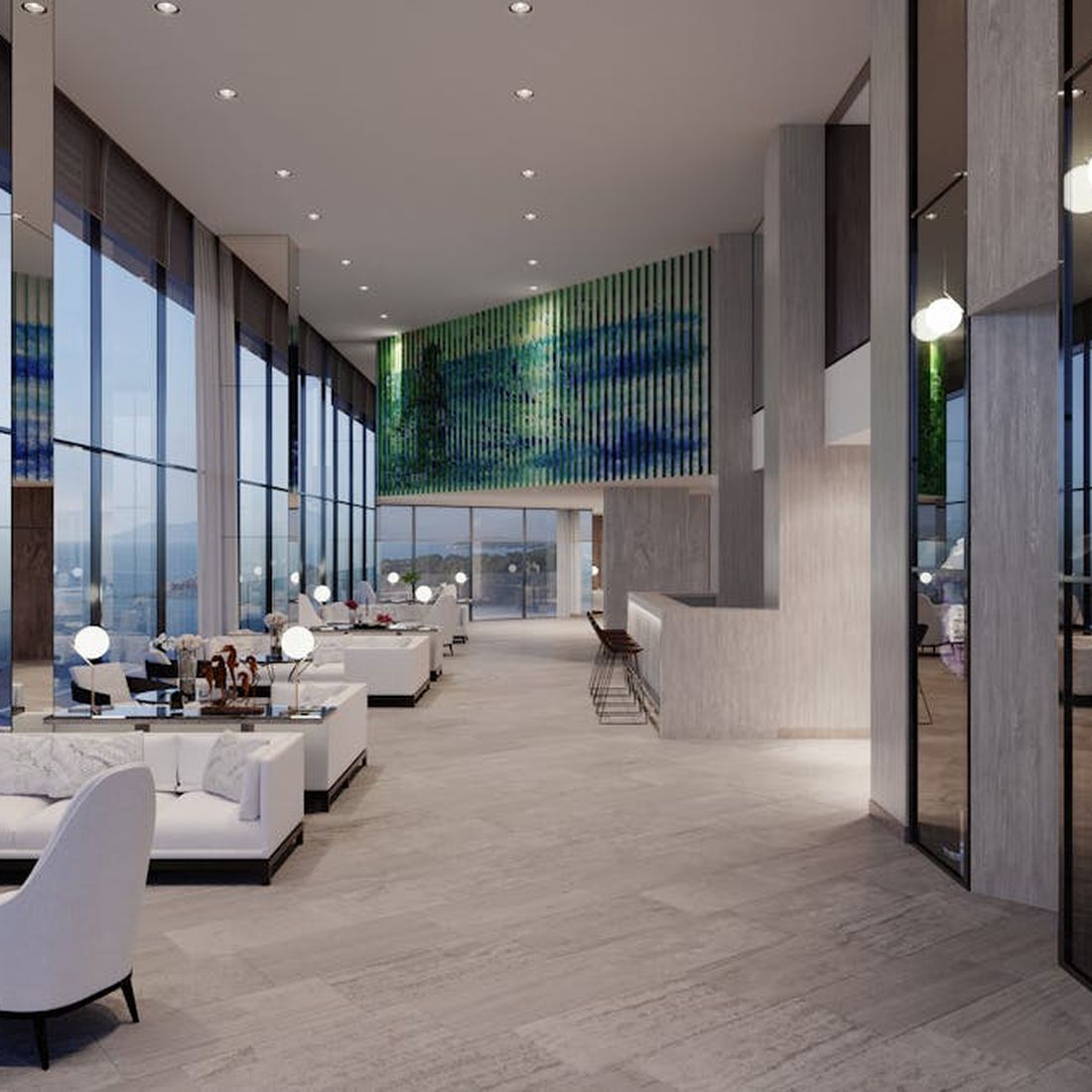
Some luxury hotels treat the balcony as an afterthought—a narrow slab with two chairs staring at a service wall. Open-air concept properties flip the ratio: the terrace, courtyard, or horizon pool is the room you remember, and the interior exists to support life outside. You shower, dress, and return to wind, water, and sky.
That shift changes packing, booking, and how you pace days. The properties below are worth splurging on when weather and season align—because the architecture assumes you will live outdoors for hours at a time.
What defines a true open-air luxury concept
- Protected microclimates: Wind screens, shading fins, and heating for shoulders seasons—not just fair-weather terraces.
- Water as design: Infinity edges, reflection pools, and plunge decks aligned to real views, not parking lots.
- Indoor-outdoor continuity: Sliding walls, matching floor levels, and materials that run through thresholds.
- Service that reaches outside: Shade adjustment, pool attendants who read weather, and dining that does not force you indoors.
Without service follow-through, open-air becomes a photo backdrop you avoid after noon heat.
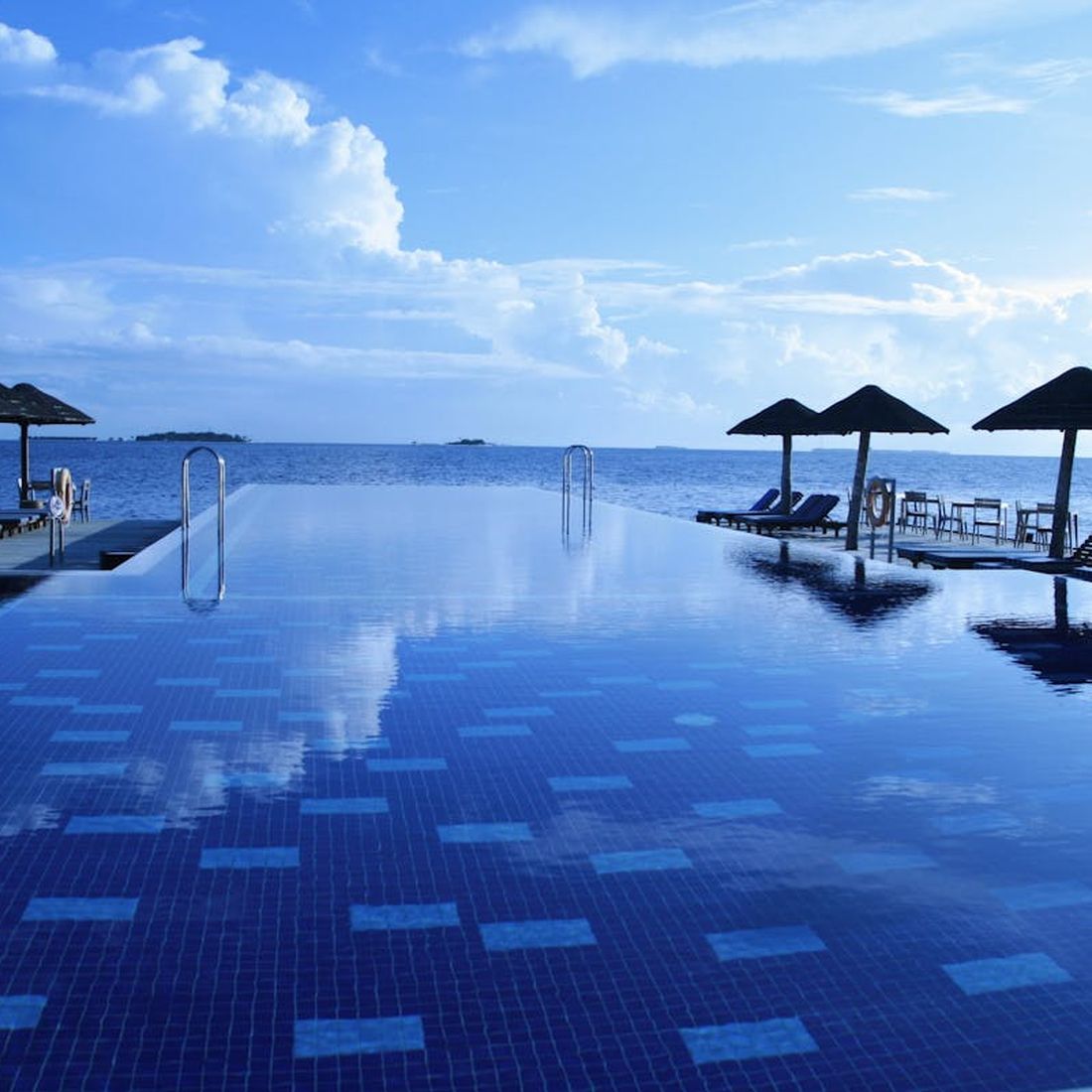
Luxury hotels where open air is the main event
- Amangiri, Utah: Desert terraces and pool decks framed by rock—architecture as viewing platform.
- Calilo, Ios: Cliff and water integration with suites that open to private outdoor living.
- Soneva Fushi, Maldives: Indoor-outdoor villas where sand and sea are part of daily circulation.
- Amanzoe, Greece: Pavilion layouts around central pools—horizontal calm and Aegean light.
- Alila Villas Uluwatu, Bali: Cantilevered decks over ocean—wind and sunset management as design problem.
- Post Ranch Inn, Big Sur: Terraces into redwood and Pacific horizon—privacy through topography.
Season, weather, and honest booking windows
Open-air luxury punishes wrong months. Monsoon humidity, desert midday heat, and coastal wind can shrink usable terrace hours fast. Read microclimate notes, not only average temperatures. Book categories with orientation named on the site—sunrise vs sunset decks matter for both comfort and photos.
Bring layers: cashmere for desert nights, light rain shells for tropical squalls, and SPF that does not stain linen upholstery—housekeeping notices.
Health and comfort outdoors
Hydration, shade breaks, and realistic pool hours protect enjoyment. Ask about insect management in jungle or lagoon settings. Verify whether outdoor tubs are maintained daily—stagnant water undermines the fantasy quickly.
Design details that separate gimmicks from mastery
Sliding door tracks that glide daily, outdoor-rated fabrics, and drainage that handles real rainstorms. Lighting that dims on terraces for star visibility without turning guests into silhouettes against glare. Kitchens that can serve credible dinner outside—not only breakfast trays.
When open-air concepts disappoint
Terraces facing highways, pools without shade, and wind tunnels created by new towers nearby. Reviews mentioning unusable balconies in shoulder seasons are warnings, not nitpicks.
Dining, bars, and kitchens that move outside
Open-air luxury is incomplete when only breakfast trays appear on terraces. Look for properties with credible dinner service outdoors—wood-fired grills, raw bars with ice management, and sommeliers who understand temperature swings. Bar programs should include zero-proof options that feel crafted, not afterthoughts, for guests avoiding alcohol in heat.
Music volume should respect horizon quiet—DJ culture can ruin desert silence fast. Ask about curfew policies before booking celebration weekends.
Privacy on shared decks
Partition heights, planting buffers, and staggered check-in times reduce awkward eye contact across infinity pools. Honeymoon categories often justify premium when screening is real, not marketing language.
Technology that stays invisible
Scandinavian hotels often hide tech behind fabric panels—chargers at nightstands, speakers with simple pairing, and thermostats that read in plain language. Travelers praise properties that remove friction without adding glowing screens on every wall. Digital keys work best when backup cards exist; Nordic pragmatism shows in redundancy.
Work-from-hotel guests should test desk outlets and chair ergonomics on night one. Good design hotels adjust chairs or lamps quickly when asked—small teams can act fast.
Wellness and spa programs outdoors
Open-air spas—hot tubs under stars, sand-on-skin rituals, cliff-edge yoga—extend the concept beyond pools. Verify seasonality; some treatments cancel in high wind. Ask whether robes and slippers are sized for outdoor transitions; details signal operational maturity.
Morning sun sessions need SPF and hydration stations; luxury is not sunburn. Evening stargazing pairs with low red lighting on paths—ask if properties use dark-sky fixtures.
Comparing open-air vs enclosed luxury on the same trip
Alternate a city flagship with a horizon-pool property on one journey—the contrast clarifies what you value. Open-air stays punish weather mistakes; enclosed luxury forgives storms but may feel visually loud after a week outside. Travelers celebrating milestones often need one night of open-air drama and several nights of reliable sleep geometry indoors.
Pack for both: linen for humid terraces and a light layer for air-conditioned dining rooms that overcool after sunset.
Request written confirmation of terrace furniture on your booking category—some suites sell “outdoor living” with only a narrow Juliet ledge.
The bottom line
Luxury hotels with breathtaking open-air concepts earn their rates when outside space is engineered for living, not posing. Match season to property, book the best orientation you can, and let the horizon dictate your schedule. You will remember water lines and evening air more than thread count—and that is the point.