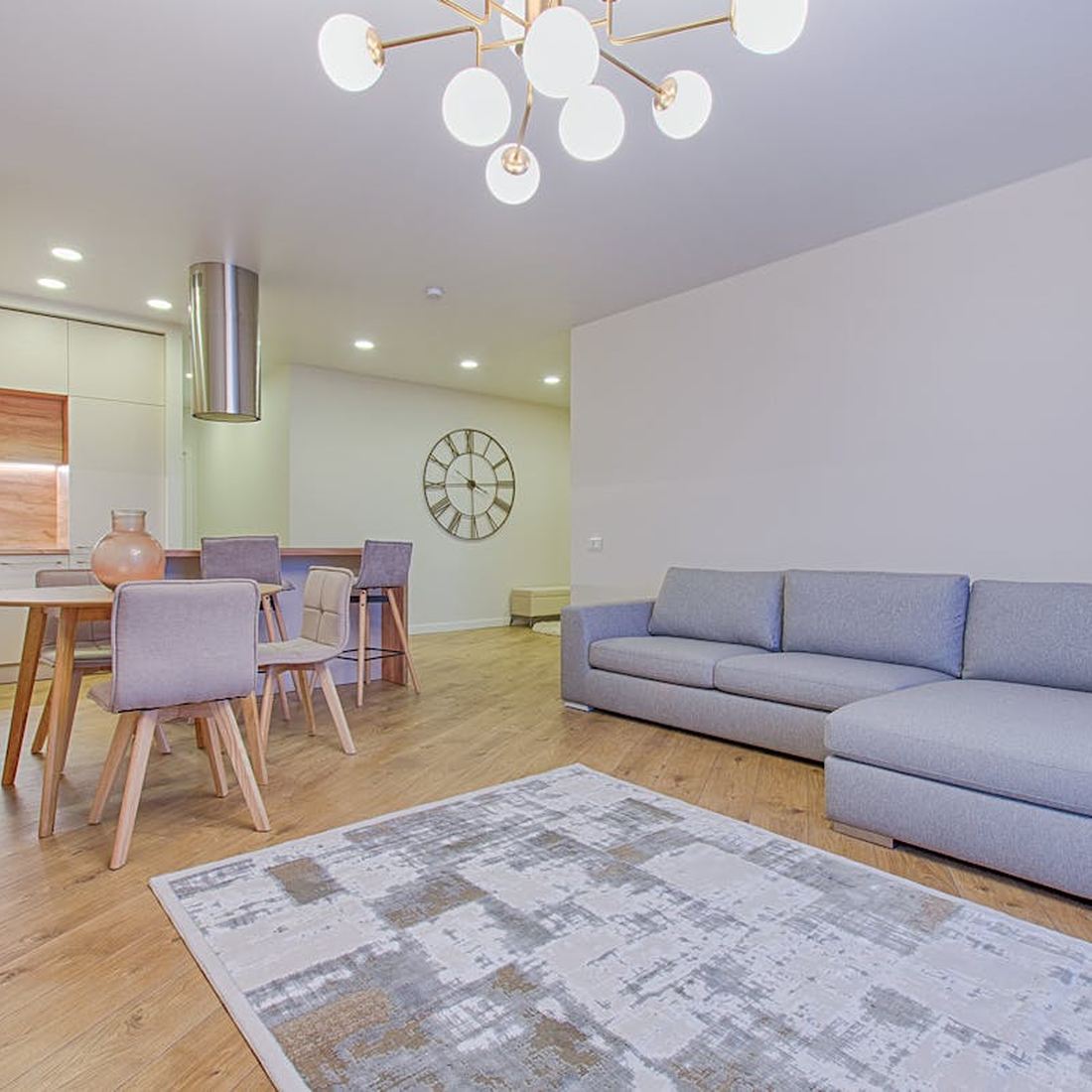
Instagrammable hotel interiors in 2026 are not about neon signs and a single viral chair—though you will still find both. The feeds that perform now reward depth: texture you can almost feel, lighting that flatters skin without filters, and compositions that look considered at 9 a.m. housekeeping reset, not only at golden hour with a photographer on retainer.
If you book for interiors the way others book for Michelin stars, you are chasing spaces that understand camera physics and guest comfort at the same time. The hotels below earned attention because their design teams treat social visibility as a byproduct of good architecture—not the whole brief.
What makes a hotel interior truly Instagrammable in 2026
- Directional light: Large windows plus sheer layers and dimmable accents—no single overhead glare bomb.
- Color discipline: One hero tone repeated in textiles, art, and millwork instead of random trend patches.
- Sculptural anchors: Stairs, fireplaces, or custom seating that give the eye a clear subject.
- Honest materials: Stone, plaster, wood, and metal that age well on repeat guest posts.
Properties that chase trends without maintenance look tired by March. The winners refresh flowers, fluff linen nap, and wipe glass before noon light hits.
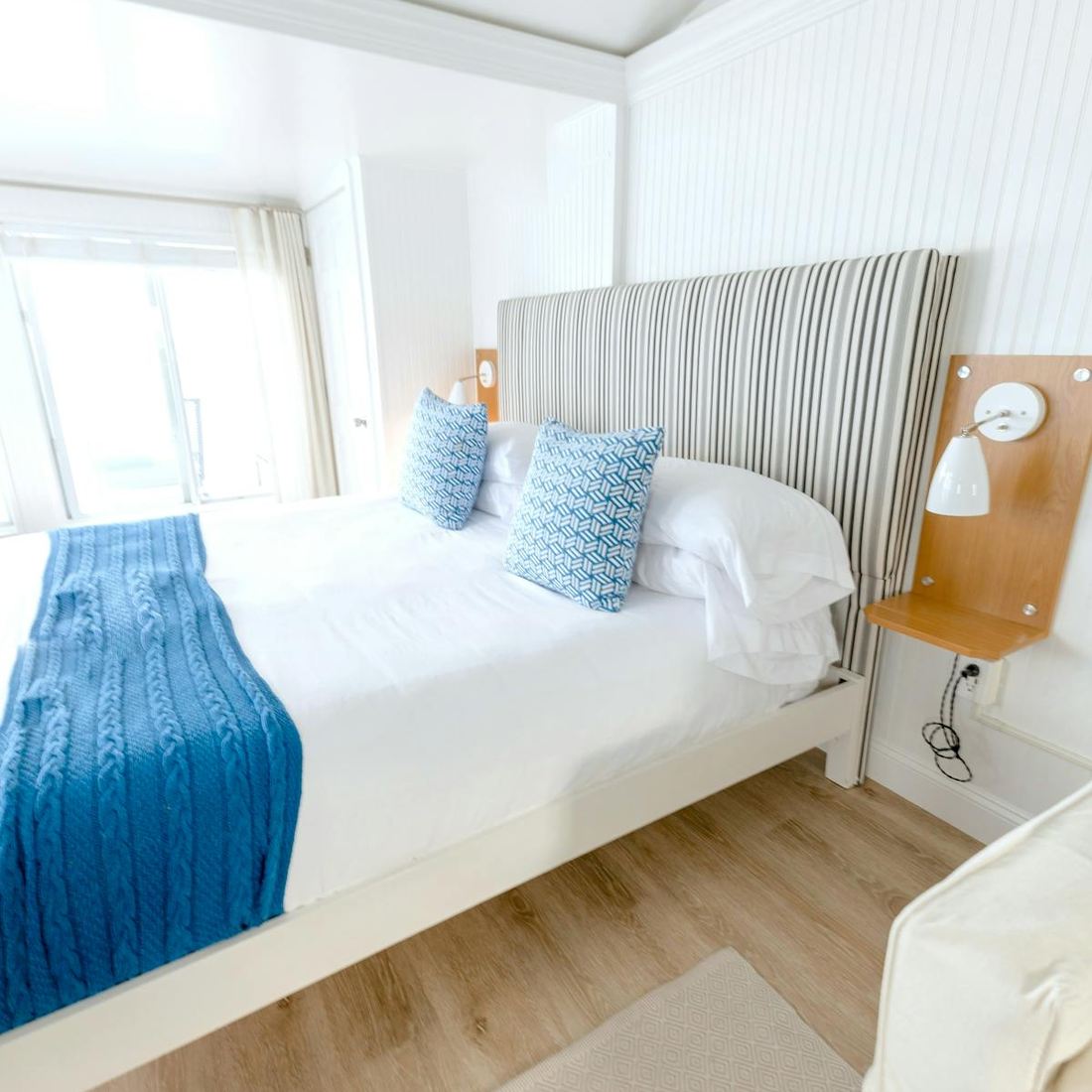
Standout interiors and properties to watch in 2026
- The Ritz-Carlton NoMad, New York: Drama without chaos—tall windows, jewel tones, and public rooms that frame fashion week crowds elegantly.
- Hotel Saint Vincent, New Orleans: Color confidence in a city that rewards personality; pool courtyard and guest rooms with saturated walls that still sleep well.
- Raffles London at The OWO: Heritage volume with contemporary inserts—corridors and bars built for wide-angle architecture content.
- Shinmonzen, Kyoto (Aman): Craft minimalism where every joint is photo-worthy; best in soft morning fog light.
- Six Senses Rome: Layered stone, arches, and spa circulation that reads ancient and new in one frame.
- 1 Hotel Brooklyn Bridge: Rough-luxe naturals and harbor light—green accents that pop on feeds without feeling gimmicky.
How to shoot hotel interiors without annoying everyone
Ask the front desk about tripod policies and peak quiet hours. Shoot lobbies early before check-in rush; avoid blocking luggage paths for a reel. In rooms, use window light first—turn off mixed color temperatures that turn walls muddy. Keep wardrobe neutral so your reflection in mirrors does not compete with the design story.
Tag architects and designers when hotels publish credits; it builds goodwill and often surfaces behind-the-scenes facts worth adding to captions. Do not move furniture that housekeeping resets to precise compositions—those placements are part of the design.
Editing trends that still look human in 2026
Heavy HDR on marble lobbies is fading. Gentle contrast, true white balance, and leaving shadow detail in corners reads more premium. Vertical video favors stair moments and elevator landings with art—pan slowly so viewers feel spatial depth.
When Instagrammable design fails guests
Red flags include non-dimmable bathroom downlights, glossy floors that flash every headlamp, and acoustics that turn pretty atriums into echo chambers at dinner. Read reviews for sleep quality, not only lobby photos. A room that looks incredible online but hisses with hallway noise is not worth the post.
Booking tactics for design-first content trips
Book two nights minimum—day one scout, day two shoot in known light. Request corner rooms or categories marketed with skyline or courtyard views; naming matters less than axis. Add a shoulder night outside peak check-in so staff have time to answer questions about best angles.
Color, texture, and 2026 palette shifts
Warm clay, olive, and charcoal travertine tones are replacing cold gray minimalism in many new openings. Brass is back but matte and brushed, not high-polish 2010s glam. Textured plaster and limewash walls photograph better than flat paint—hotels investing in artisan finishes win feeds longer.
Regional trends shaping 2026 feeds
Asia-Pacific openings lean on stone, lacquer accents, and courtyard light wells that read dramatic on vertical video. European properties remix heritage plaster with saturated upholstery—color as punctuation, not wallpaper. Americas properties mix desert modern terraces with city rooftop bars designed for golden-hour reels. Tracking regions helps you predict which palette will feel fresh when you travel six months later.
Caption literacy matters: name materials and designers when hotels publish credits. Audiences engage more with specific craft notes than generic luxury adjectives.
Accessibility and inclusivity in design content
Instagrammable should not mean inaccessible. Elevators, step-free routes, and seating in lobbies matter for guests who cannot climb statement staircases for content. Properties investing in inclusive circulation age better reputationally than one-hit stair memes.
Suite vs lobby: where to spend your shooting time
Lobbies deliver scale and first impressions; suites deliver intimacy and textile depth. Plan one hour in public zones when staff are briefed, then return to your room during soft window light. Bathrooms with stone slabs and niches photograph well when mirrors are wiped and towels folded symmetrically—housekeeping style is part of the shot.
If you collaborate with a travel partner, coordinate outfits in advance. Complementary neutrals beat matching costumes that date feeds quickly. Respect other guests’ privacy—crop strangers out or wait for clear sightlines.
Loyalty, repeats, and long-term design credibility
Properties that maintain feed appeal for years invest in refinishing, not quarterly gimmicks. Loyalty benefits matter when they unlock better room orientation or late checkout for golden-hour shoots. Repeat visits reveal seasonal floral programs and holiday installations without peak-hour crowds.
Note which materials aged well on your own posts—plaster mellowing, wood deepening, brass gaining patina—and favor hotels that let time improve the story instead of fighting it.
The bottom line
The most Instagrammable hotel interiors in 2026 reward travelers who care how spaces feel after the photo is posted. Book for light, material honesty, and maintenance discipline—not for a single chair you saw on a reel. You will leave with images that age well and memories of rooms that worked as hard at midnight as they did at sunset.