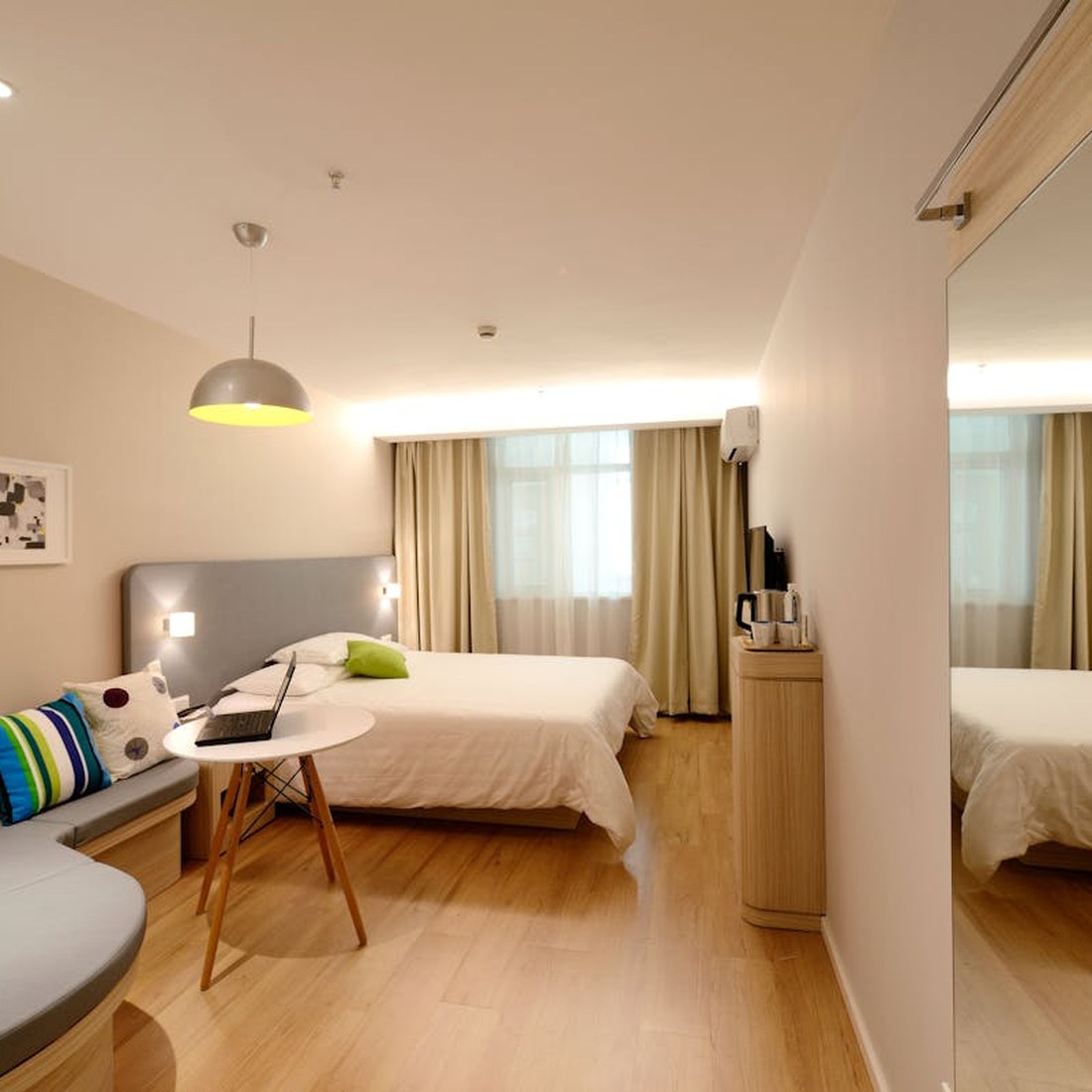
Tiny design hotels are not excuses for tight hallways and closet-sized baths. They are concentrated experiences—one strong idea per property, executed with precision because there is nowhere to hide weak decisions. Personality scales up when square footage scales down, as long as operators respect sleep and storage basics.
Guests choose them when they want a story, a host, and a neighborhood—not a convention center in the basement. The stays below prove that huge character can live inside small keys counts.
What tiny design hotels must get right
- Bed quality: Full-size luxury mattress programs, not shortened specimens.
- Acoustic discipline: Fewer rooms should mean better sound isolation, not thinner walls.
- Clever storage: Integrated hooks, under-bed drawers, and wardrobe niches that hide luggage.
- Public space punch: One bar, one salon, or one courtyard done extremely well.
Personality without function reads as hostel cosplay at luxury prices.
Tiny properties with outsized design voice
- De Witte Lelie, Antwerp: Townhouse intimacy with art-forward rooms—every key feels curated.
- Number 16, London: Notting Hill small hotel rhythm—quiet luxury in a residential streetscape.
- Hotel June, Los Angeles: California casual with strong pool identity despite boutique scale.
- Pavilion Hotel, Bangkok: Compact urban refuge with spa seriousness—proof Asian megacities support micro-luxury.
- Urban pod-to-boutique hybrids in Tokyo: Study efficiency models that still deliver design—efficiency as aesthetic, not punishment.
- Desert cube hotels in Joshua Tree corridor: Tiny footprints, bold forms—verify operators, but typology shows personality via architecture alone.
How tiny hotels express personality without clutter
Signature scent done subtly, one local artist series per floor, and breakfast menus that fit the kitchen’s real capacity. Staff who remember names because guest counts allow it. Lobby playlists chosen by humans, not algorithms—small details compound.
Who should book tiny design hotels
Great fit: Couples, solo design travelers, short city breaks, creative retreats. Less ideal: Large families, travelers needing extensive meeting space, or guests who unpack fifty outfit changes for a week.
Space-saving ideas worth noticing
Pocket doors, wall-mounted desks that fold, and bathrooms with sliding partitions instead of swing doors eating floor area. Lighting scenes preset at check-in so guests are not fumbling switches in 12-square-meter rooms. Mini bars replaced by honest honor bars with local snacks—personality through taste.
When tiny hotels disappoint
No luggage space, showers smaller than airline lounges, and personality that is only loud paint. Read reviews for closet depth and whether housekeeping can still reset rooms after messy arrivals.
Booking and pacing tips
Email preferences early—tiny teams can personalize. Stay two nights minimum so personality reveals beyond first-impression styling. Tip housekeeping on arrival for multi-night stays; recognition flows both ways in small properties.
The bottom line
Neighborhood integration and local partnerships
Tiny hotels win when concierges send you to one block away for the best espresso—not a corporate partner three districts over. Look for properties that list local makers in rooms: soap, blankets, mini-bar snacks with stories. Personality is place-based; chains struggle to fake that at small scale.
Evening noise policies should be published—boutique bars downstairs can charm or ruin sleep depending on your floor.
Long stays in small rooms
If you stay three or more nights, ask for mid-stay linen refresh and extra towel drops—housekeeping paths are shorter in tiny properties and staff often appreciate direct requests. Pack collapsible totes; closet volume is limited by design.
Owner-operators and design authorship
Many tiny hotels reflect an owner’s taste—art collections, vinyl libraries, or coffee rituals you cannot franchise. Ask if the founder is still involved; authorship fades when management companies standardize supplies. The best tiny stays feel like a hosted visit with hotel-grade reliability.
Repeat guests often return for staff continuity—notice how the property evolves without losing voice on your second visit.
When to size up to a larger design hotel
If you need conference space, kids clubs, or three restaurant options on rainy days, tiny properties will feel limiting—that is honesty, not failure. Use tiny hotels for focused weekends; use larger design flags for complex group trips. The personality you loved in a twelve-key property may exist as a branded boutique wing inside a bigger hotel on your next route.
Rates, value, and when tiny beats big
Tiny hotels sometimes price above large luxury flags because labor per guest is higher—fewer keys, more attention. Compare included perks: afternoon tea, pressing, or neighborhood tours may replace giant gyms. Value shows up in time saved—concierge answers in one call, bags in the room before you ask.
Negotiate corporate or artist rates if you stay monthly in creative districts; small properties flex more than global chains when occupancy is soft.
Leave detailed feedback on design elements you loved—tiny teams actually adjust breakfast menus, art rotations, and pillow menus from guest notes.
The bottom line
Tiny design hotels with huge personality succeed when every square meter justifies itself and service feels human-scale. Book them for narrative, neighborhood roots, and design courage—not for ballroom scale. You may leave with a smaller footprint in your memory than in your photos—and that is exactly the charm.