
Travelers rarely say they booked a hotel for hygge. They say they slept well, the lobby felt calm, and the bathroom did not fight them at 6 a.m. Scandinavian hotel design delivers those outcomes through light management, honest materials, and operations that respect quiet—not through novelty for its own sake.
The style travels because it solves universal friction: dark winters, small urban rooms, and guests who want warmth without visual noise. When it fails, you get gray boxes with one generic throw blanket. When it works, you feel cared for without performance.
The core ingredients travelers actually notice
- Light as infrastructure: Tall windows, layered curtains, and fixtures with warm dimming—not one blinding panel.
- Wood with purpose: Oak, ash, or pine used for furniture and slats, not plastic laminate pretending to be timber.
- Functional simplicity: Clear desks, peg hooks, open shelving that makes small rooms feel intentional.
- Thermal comfort: Radiant heat, quality duvets, and ventilation that prevents stuffy nights.
Those details compound into trust. Repeat guests return because the room behaves predictably.
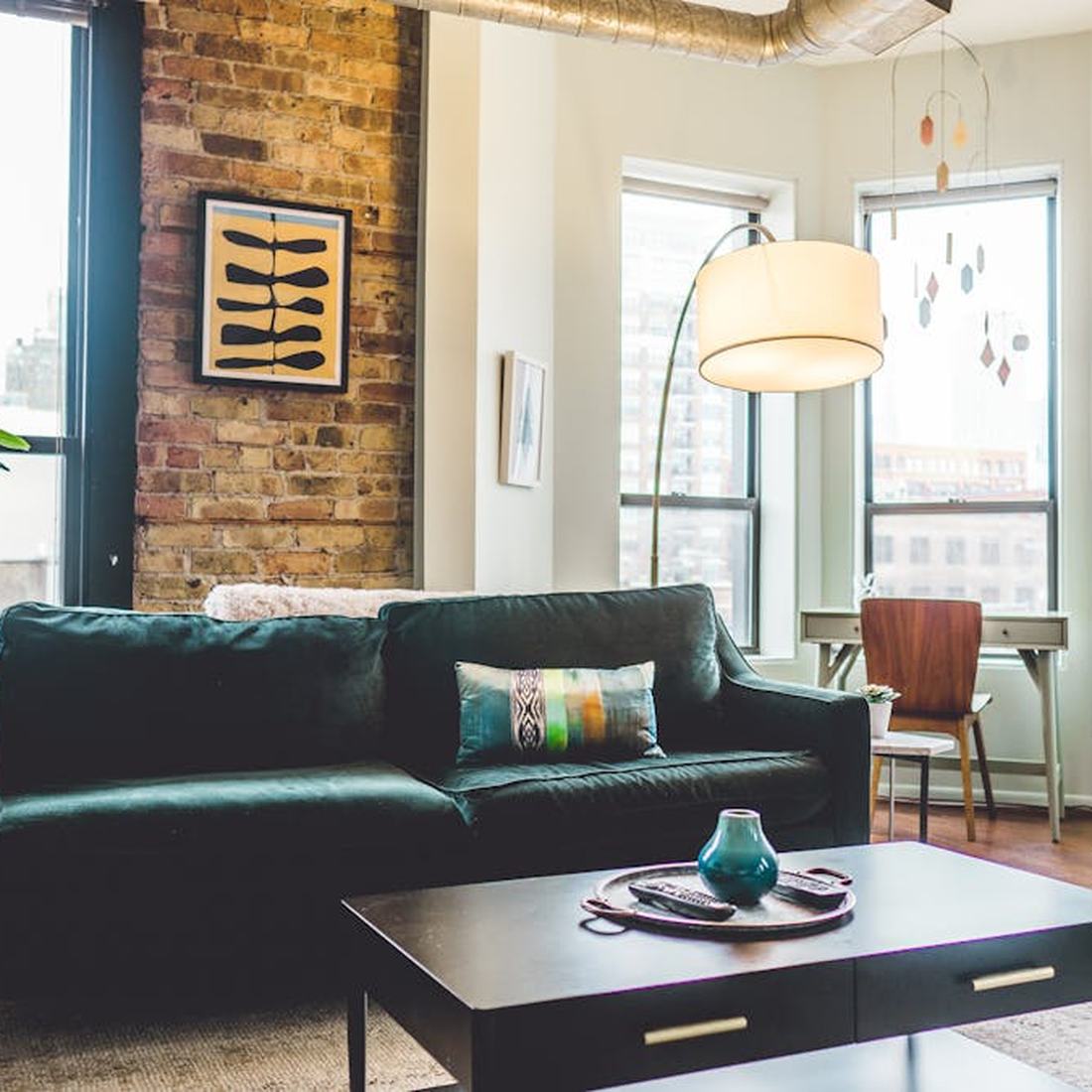
Hotels and brands travelers praise for Scandinavian design
- Hotel Sanders, Copenhagen: Color and craft with Nordic restraint—personality without clutter.
- Hay-inspired collaborations at select Nordic boutiques: Furniture you recognize from design shops, executed with hotel-grade durability.
- Storfjord Hotel, Norway: Mountain context where timber and stone feel inevitable, not imported styling.
- Icehotel (seasonal): Extreme craft narrative—short stays, strong memory, design as event.
- Arctic TreeHouse Hotel, Finland: Low cabins, big glass, sky views—Scandinavian nature as the interior.
- Urban Jotun / pale palette independents in Oslo and Helsinki: Watch for micro-hotels with local ceramic programs and serious breakfast spreads.
Why Scandinavian design reduces travel stress
Airport fatigue meets rooms that do not shout. Circulation is legible; signage is typographic, not neon. Staff tone tends direct and kind—cultural norms that align with guest expectations after long flights. Food often features rye, berries, and fish prepared simply; comfort without heavy sauces late at night.
Business travelers benefit from desks with real task light and Wi‑Fi that is treated as utility, not upsell. Leisure travelers benefit from lobby nooks that invite reading instead of forced social spectacle.
Winter vs summer: same brand, different magic
Winter stays showcase candles, saunas, and warm textiles—hygge as maintenance ritual, not decoration. Summer stays showcase long evenings, sheer curtains, and terrace furniture that is actually sat on, not only photographed. Book the season that matches why you travel.
Scandinavian clichés travelers are tired of
Fake sheepskin throws, IKEA catalog rooms with no durability, and all-white corridors that amplify suitcase wheels. Authentic properties invest in acoustic rugs, solid doors, and housekeeping that fluffs duvets with consistency.
How to choose a Scandinavian hotel that will deliver
Read reviews mentioning sleep, shower pressure, and breakfast quality—those predict design integrity better than lobby photos alone. Confirm blackout performance if you are sensitive to midnight sun or early summer light. Ask whether the property uses in-house dining; Nordic hotels with serious kitchens often extend the aesthetic through ceramics and plating.
Bringing lessons home without copying a catalog
Travelers steal ideas: dimmer circuits, light wood against white walls, and fewer objects with better placement. You do not need a fjord view—just consistent color temperature and one textile layer that feels good at night.
The bottom line
Food, breakfast, and ceramic programs
Scandinavian hotels often extend design into breakfast rooms—hand-thrown mugs, open-faced layouts, and bread that smells like a bakery at 7 a.m. Coffee is filtered with care; tea stations use clear labeling instead of mystery blends. Travelers remember taste and texture as much as headboard design.
Dinner may be simpler but seasonal—fish, root vegetables, and sauces that do not fight wine. Properties partnering with local bakeries outperform chains flying frozen pastries cross-border.
Family and business travelers under Nordic roofs
Families appreciate connecting rooms with sound-treated doors and high chairs that do not clash with dining room aesthetics. Business travelers value early breakfast reliability, gym spaces with daylight, and desks that face windows without glare on screens.
Technology that stays invisible
Scandinavian hotels often hide tech behind fabric panels—chargers at nightstands, speakers with simple pairing, and thermostats that read in plain language. Travelers praise properties that remove friction without glowing screens on every wall. Digital keys work best when backup cards exist; Nordic pragmatism shows in redundancy.
Work-from-hotel guests should test desk outlets and chair ergonomics on night one. Good design hotels adjust chairs or lamps quickly when asked—small teams can act fast.
Sustainability without sermonizing
LED retrofits, heat recovery, and linen reuse programs matter more than lobby slogans. Travelers notice when towels feel thick after many washes because maintenance cycles are serious. Properties sourcing local timber and wool reduce shipping stories that do not match the aesthetic.
Pack and travel rhythms that match Nordic rooms
Soft-sided luggage slides into compact wardrobes; hard shells scratch narrow hall paint. Bring sleep mask and optional earplugs even in quiet hotels—summer light arrives early. Indoor shoes or thick socks feel respectful in properties that ask guests to remove outdoor footwear at entry.
Schedule slow mornings: Scandinavian breakfast rooms reward unhurried coffee before city museums open.
Winter travelers should confirm sauna or steam access and towel rituals—heat is part of the design promise, not an optional upsell.
The bottom line
Travelers love Scandinavian hotel design because it prioritizes restoration over display. The best properties feel bright at breakfast and soft at bedtime, with materials that age honestly. Book for operational calm and light discipline—you will understand why the aesthetic endures long after trend labels change.