
Every beach hotel claims an ocean view. Many deliver a slice of blue between two towers, a parking-lot glint, or a “partial” category that means partial disappointment at golden hour. Incredible ocean views are not luck—they are geometry: floor height, building angle, balcony depth, and whether the property actually fronts the beach or a road that happens to smell like salt.
This guide separates marketing language from sightlines worth paying for, highlights beachfront hotels known for real views, and explains how to book the room category that matches the photo in your head.
What “incredible ocean view” means in hotel listings
- Front vs oblique: True beachfront faces the water; oblique properties may still work if higher floors clear neighbors.
- Floor band: Floors three through six often see rooflines; eight plus usually opens the horizon on mid-rise coasts.
- Balcony usability: Depth and wind matter—narrow Juliet balconies are photo props, not breakfast spots.
- Glass and railings: Low rails and clean glass beat decorative half-walls that block half the panorama.
Read the map, not only the gallery. A hotel pin “near beach” can be a ten-minute shuttle away.
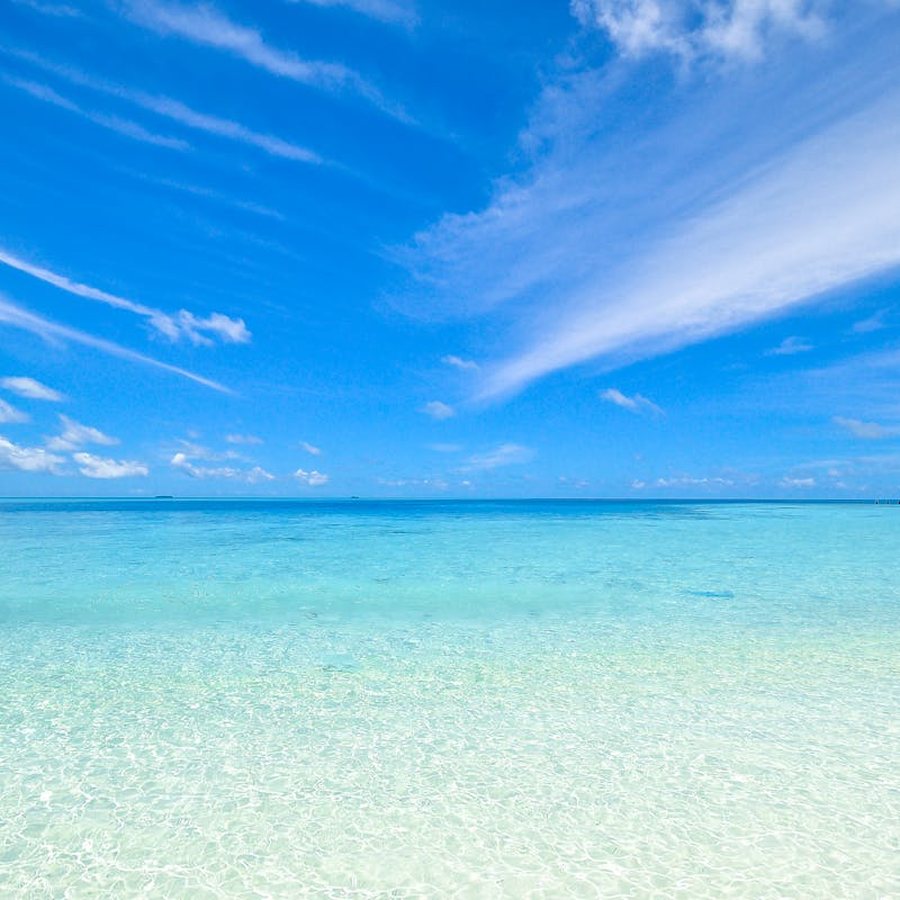
Beachfront hotels known for standout ocean views
Hawaii and Pacific
- Four Seasons Resort Lanai: Dramatic Pacific scale with curated quiet—views feel cinematic because human clutter is low.
- Grand Wailea / Wailea resorts (Maui): Sunrise and sunset angles vary by building wing—ask for oceanfront, not ocean “view” only.
- Royal Hawaiian (Oahu): Iconic Waikiki frontage; higher floors reduce shore crowd noise visually and audibly.
Caribbean and Atlantic
- : Open-wall concept rooms where the Pitons and sea dominate—book with weather flexibility.
- Twin Farms alternatives on Anguilla / Grace Bay towers: Grace Bay clubs offer true turquoise sightlines when booked oceanfront corner.
- Tulum beach zone (select small hotels): Low-rise can mean palm-framed views; verify dune height so sand does not block horizon from ground floors.
Europe and Indian Ocean
- Amalfi Coast cliff hotels (Monastero, Caruso-style properties): Vertical drama—views are downward to sea, not horizontal beachfront; still breathtaking if labeled honestly.
- Seychelles beach resorts on Praslin / Mahe: Granite boulders frame water color; oceanfront villas beat garden categories by a mile.
- Algarve cliff resorts: Sunset-facing terraces reward west-facing room assignments.
How to book the view you actually want
Use three keywords carefully: oceanfront (line-of-sight to water), ocean view (angle varies), partial (gamble). Email a diagram request or recent photo from your assigned category. On booking apps, sort guest photos by date and search “sunrise” or “balcony.”
Upgrade tactics that work
- Book refundable, then message pre-arrival with celebration or anniversary context—human assignment beats algorithm sometimes.
- Pay for named categories instead of hoping at check-in; front desks cannot invent oceanfront inventory.
- Choose shoulder season when upgrade paths open and wind is milder on exposed balconies.
When ocean view hotels disappoint
Storm shutters, renovation scaffolding, and new towers in front of older properties can erase a view overnight. Hurricane-season discounts are real—but so is rain rhythm. Also watch “garden view” wings parallel to the beach; you may hear surf without seeing it.
Pack and plan for the view, not just the bed
Bring polarized sunglasses, a small tripod if photography matters, and white noise if balcony doors invite wave sound all night. Schedule one hour on the balcony without phones—incredible views justify themselves when you stop filming them.
The takeaway
Beachfront hotels with incredible ocean views earn their rates through sightline integrity, not adjectives. Study maps, book named categories, confirm angles, and prefer properties where the horizon is the design feature—not a bonus if you lean from the shower. Do that, and your room becomes the destination instead of a place you sleep between pool hours.
Seasonal and regional view notes worth remembering
Atlantic hurricane belts: Lower floors may be mandated in peak season—confirm policy before you romanticize a fifth-floor corner. Pacific northwest coasts: Fog months shrink horizons; book refundable rates and enjoy texture over turquoise. Mediterranean cliffs: Afternoon glare can wash out photos; sunrise balconies matter more than sunset marketing shots.
Properties frequently praised for sightlines
- Montage Laguna Beach: Tiered California views when booked oceanfront—not all wings equal.
- One&Only Mandarina (Mexico): Jungle-meets-Pacific framing; villas beat standard categories for panorama width.
- Six Senses Laamu (Maldives): Overwater categories with unobstructed Indian Ocean lines when weather cooperates.
- Belmond Hotel du Cap-Eden-Roc: Riviera icon where terrace dining is part of the view product.
Always cross-check recent construction on neighboring lots—new towers rise faster than marketing pages update.
Photography and memory without ruining the view
Shoot at golden hour before breakfast crowds fill balconies. Use polarizers to cut glare on glass balcony doors. At night, turn room lights off to prevent reflection—ocean views sell themselves with minimal editing. If you are celebrating, ask housekeeping for discreet flower placement that does not block sightlines.
Incredible views are also sound experiences: open the door, listen for surf rhythm, and confirm wind direction before you commit to outdoor dinners every night. A perfect ocean view with constant onshore gusts can push you indoors by night two—trade a floor higher for wind shelter when properties offer both.
Balcony breakfast vs restaurant breakfast
Room-service coffee on a real balcony beats a buffet line when the horizon is the point. Confirm tray fees and hours—some resorts restrict glassware outdoors. If wind is strong, choose hotels with sheltered loggias or inset terraces; architectural depth matters as much as compass direction.
Finally, compare total stay cost including view premium against a cheaper garden room plus one sunset cocktail on the hotel rooftop. Sometimes the math favors experience splitting over paying for dawn light you will sleep through anyway.